China Best Dunlop Mast Climbers Suppliers and Prices?
Choosing the right Dunlop Mast Climbers supplier in China takes more than comparing headline prices. Buyers need to match the machine to the work: platform capacity, lifting height, mast configuration, power supply, and site conditions all affect suitability. A climber designed for routine façade maintenance may not fit a demanding construction project. Small differences matter.
Supplier claims should be checked against clear, current documentation. Ask for technical specifications, configuration details, warranty terms, spare-parts support, and a written quotation that identifies what the price includes. Freight, installation, training, and after-sales service can change the delivered cost substantially. Prices vary. Request comparable quotations using the same requirements, rather than judging suppliers by a single figure.
This guide explores how to assess Chinese suppliers, interpret Dunlop Mast Climbers pricing, and compare product support before making an inquiry. It also highlights practical questions about production lead times, inspection records, and communication after delivery. A polished brochure is useful, but it cannot replace verifiable details. Buyers should confirm that the offered model and supplier credentials match their project needs, and seek qualified technical advice where specifications are unclear. One point is easy to miss: the lowest quote may leave important services outside the package. Careful comparison takes time, and sometimes the available information is incomplete. That deserves a second look.

What Are Dunlop Mast Climbers and How Are They Used?
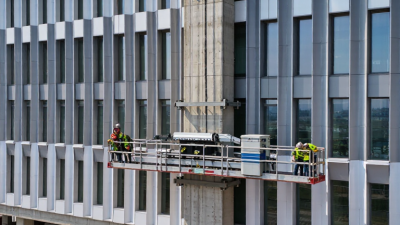
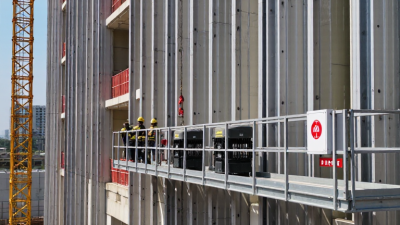
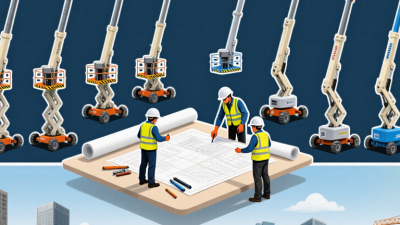
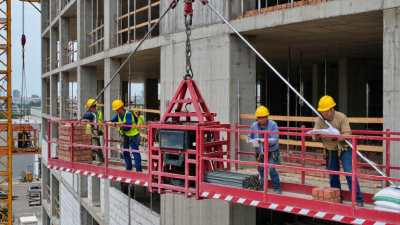
Mast climbers are powered work platforms that travel vertically along a fixed mast attached to a building or temporary support structure. Unlike a suspended platform, the work deck rises from ground level, carrying workers, tools, and selected materials to the façade. Crews use them for bricklaying, cladding, window installation, painting, and repair work. The platform can be adjusted to the working level, reducing repeated ladder moves. A wide deck also helps keep mortar tubs and hand tools close, though loading it carelessly can create hazards.
Before each shift, workers should check the mast, ties, guardrails, gates, controls, and emergency-lowering system. The base needs firm, level support, and the installation must follow the manufacturer’s configuration and load limits. HSE’s Work-related fatal injuries in Great Britain, 2023/24 report recorded 50 worker deaths from falls from height. That figure covers many work-at-height activities, not mast climbers alone, but it shows why inspection and fall prevention matter. Keep materials evenly distributed. Do not treat extra deck space as spare capacity. A rushed setup can look stable, and still be wrong.
Mast climbers are powered work platforms that move vertically along a mast. They are commonly used for façade work, masonry, glazing, and exterior maintenance. The chart shows an editorial, qualitative suitability rating—not measured performance, market data, or supplier pricing. Actual equipment selection depends on the task, site conditions, required capacity, and manufacturer specifications.
Which Features Matter When Comparing Dunlop Mast Climbers?
When comparing mast climbers, look beyond the stated platform capacity. Check the permitted load at the planned height and whether it changes with platform length or configuration. A crew, tools, and materials can quickly add weight. Allow room for real working conditions, not just an ideal load calculation. That matters.
Inspect mast sections, rack engagement, and platform connections for clear specifications and accessible inspection points. Smooth, predictable travel helps workers position the platform without repeated adjustments. Ask how emergency lowering works and where controls are located. A control that is hard to reach may be a problem during a real interruption. Check that guardrails, gates, and toe boards suit the tasks and materials used on site.
Site conditions matter too. Compare base dimensions, tie-in requirements, power supply, and setup time against the building layout. Request maintenance records, operator guidance, and details of available technical support. If a supplier cannot explain a limit plainly, pause and verify it. Paper specifications rarely show every site difficulty. A narrow access route or uneven ground can change the choice. I would also inspect a comparable unit in person, where possible; photos can make worn components look deceptively clean.
How to Evaluate Dunlop Mast Climber Suppliers in China
When evaluating mast-climbing platform suppliers in China, inspect the engineering documents before comparing prices. Ask for rated load charts, platform dimensions, mast-joint details, tie-in spacing, and emergency-lowering instructions. Check that the proposed configuration matches your façade height, ground conditions, and daily material loads. A low quote means little if key components or commissioning support are excluded.
Demand traceable test records, serial-numbered inspection logs, and clear spare-parts lead times. The Global Construction Perspectives and Oxford Economics report Global Construction 2030 forecast an 85% rise in global construction output, reaching US$15.5 trillion by 2030. That forecast signals a large market, not proof that any supplier is reliable. Request references for comparable projects, then verify them directly. Ask who supervises installation and operator training, and how defects are handled after delivery. Small details matter. A supplier may provide polished certificates yet offer vague answers about replacement parts. That should prompt another question, not an immediate rejection. Compare like-for-like scopes, including freight, installation, inspections, and warranty terms. I would still leave room for uncertainty: paperwork cannot reveal every weakness in field support.
What Factors Affect Dunlop Mast Climber Prices?
The price of a mast climber depends on more than its platform length. Working height, rated load, and the number of platforms all affect the equipment required. A unit designed to lift workers, tools, and heavy materials may need stronger masts and a higher-capacity drive system. That adds cost. So does a wider platform or a configuration built for an irregular façade.
Site conditions matter, too. A clear, flat work area is simpler to serve than a narrow site with uneven ground or frequent obstructions. Mast sections, ties, base frames, and installation labor can change the quote. New equipment usually costs more upfront, while used units may need inspection or replacement parts. Ask what the price includes: delivery, assembly, operator training, maintenance, and technical support can be listed separately. Check the load rating and compatible components against the actual job plan. A low quote may omit important items. It is easy to compare the wrong figures. Request an itemized quotation and confirm the proposed configuration with a qualified supplier before ordering.
How to Choose a Supplier and Request a Reliable Quote
When comparing mast-climber suppliers, ask for more than a unit price. Request the machine’s rated capacity, platform dimensions, working height, power requirements, and configuration drawings. The U.S. Bureau of Labor Statistics reported 1,075 fatal work injuries in construction in 2023, a reminder that equipment selection and site planning matter. OSHA’s scaffold rule requires support for the scaffold’s own weight and at least four times its maximum intended load. Check that the proposed configuration suits your project and applicable requirements. Details matter.
Send suppliers the same site information: façade dimensions, ground conditions, access limits, expected crew size, and project duration. Ask each supplier to separate equipment, freight, installation, dismantling, inspection, training, and spare-parts costs. Confirm what the quote excludes, how long it remains valid, and whether weather delays change rental charges. Request written confirmation of delivery dates and service response times. A very low quote may omit essential costs; still, a detailed quote can miss a site constraint if your measurements are rough. Verify the assumptions before signing, and compare equivalent configurations, not just headline prices.