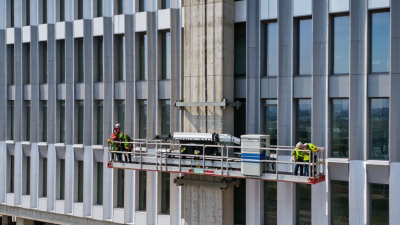
China Best Mast Climbing System for Global Buyers
For global buyers, finding the China best Mast Climbing System requires more than comparing prices. It requires evidence, technical judgment, and careful supplier evaluation. A reliable system should support safe vertical access, stable platform movement, and efficient work on façades, masonry, insulation, and industrial structures. Buyers need to examine rated load, platform length, mast sections, drive units, emergency descent, limit switches, and spare-parts availability.
Details matter.
A platform should move smoothly beside a building, without harsh vibration or unexplained stopping. Galvanized mast sections should show consistent welding, accurate drilling, and proper surface protection. Suppliers should provide load charts, installation procedures, inspection records, operator training, and service contacts. These documents often reveal more than polished product photographs. As access-equipment specialist Mike Crouch once observed, “A mast climber is only as safe as its planning, installation, and daily use.” That principle deserves serious attention, even when purchasing pressure is high.
The strongest Chinese manufacturers combine engineering experience with traceable quality control. They may offer customized platform dimensions, three-phase electrical options, remote monitoring, and configurations for different building heights. However, “best” is not universal. A system suitable for a narrow renovation project may fail to meet the demands of a high-rise construction site. Climate, wind exposure, local certification, transport conditions, and technician capability also influence the final choice. Buyers should verify compliance with applicable regional standards and request independent inspection when necessary. Mistakes can happen, even with experienced teams. That is why transparent communication, documented testing, and realistic performance claims should guide every international purchase.
What Is a Mast Climbing System?
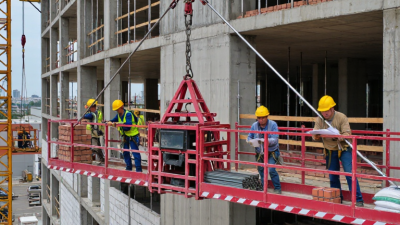
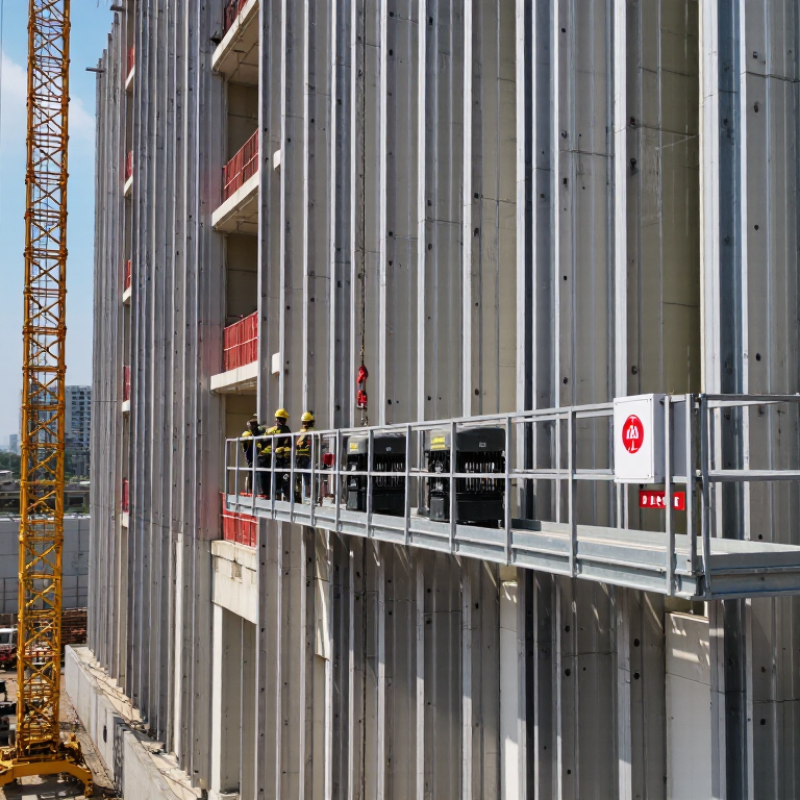
A mast climbing system is a temporary, mechanically powered work platform. It moves vertically along a steel mast fixed to a building or ground base. Unlike a suspended platform, it climbs through rack-and-pinion drive units. Workers can reach several floors while carrying tools, façade panels, or mortar.
Typical assemblies include mast sections, platform decks, guardrails, access gates, tie-ins, limit switches, and emergency controls. EN 1495 addresses design and safeguarding requirements for mast climbing work platforms. Rated load, wind limits, mast height, and tie spacing must match the project design. That sounds straightforward. It is not always so.
The U.S. Bureau of Labor Statistics reported 1,069 construction fatalities in 2022. Falls to lower levels accounted for 395 of them. The International Powered Access Federation recorded 68 powered-access fatalities worldwide in its 2024 Global Safety Report, covering several equipment types. These figures are not specific to mast climbers, but they expose the wider risk environment. A platform cannot correct weak anchorage, poor training, or rushed loading. In practice, buyers should request structural calculations, inspection records, operator training evidence, and emergency-rescue procedures. Check the actual site conditions, too. Wind, uneven foundations, and changing façade loads can defeat a perfect-looking specification. Some purchasing decisions focus too heavily on lifting capacity. That is a useful lesson, but an incomplete one.
Key Components and Operating Principles
China Best Mast Climbing System for Global Buyers
A mast climbing system uses a vertical mast, climbing drive, platform, and adjustable chassis. The mast transfers platform loads into the building base and wall ties. Rack-and-pinion drives lift the platform through controlled, synchronized movement. Limit switches stop travel at defined positions. Emergency descent systems provide protection when normal power fails. Keep it simple.
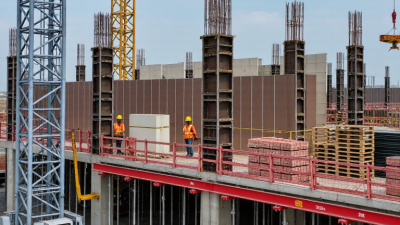
The platform deck carries workers, tools, and approved materials. Guardrails, toe boards, gates, and overload sensors control exposure at height. Wall ties resist wind and platform movement, but their spacing must follow structural calculations. In daily operation, operators should check anchor bolts, drive gears, cables, brakes, and platform leveling. A loose tie can become a serious failure point.
The U.S. Bureau of Labor Statistics recorded 395 construction deaths from falls to lower levels in 2022. OSHA identified falls as a leading construction fatality category. These figures reinforce the need for disciplined inspection, not only better equipment. Buyers should request load charts, test certificates, risk assessments, and maintenance records. Local requirements may reference EN 1495, ANSI A92.9, or equivalent national standards. An independent engineer should verify the supporting structure. In practice, some projects still underestimate wind effects and uneven foundations. That mistake deserves closer review.
Safety Standards and Compliance for International Buyers
China Best Mast Climbing System for Global Buyers
Safety compliance should guide every international mast climbing system purchase. In the United States, OSHA 29 CFR 1926 Subpart L covers scaffold design, access, guardrails, and training. ANSI A92.9-2020 adds requirements for mast-climbing work platforms. European buyers should check the current version of EN 1495 or its applicable replacement. Standards can differ by destination.
The U.S. Bureau of Labor Statistics reported 1,075 construction deaths in 2023. Falls, slips, and trips caused 421 of them. That figure shows why platform stability deserves more than a brochure statement. Buyers should request structural calculations, rated-load charts, anchorage details, emergency-lowering procedures, and inspection records. Look closely at mast joints, tie spacing, limit switches, and toe boards. Small gaps matter.
Independent testing supports credibility. Factory documents alone are not enough. A competent inspector should verify weld quality, overload protection, braking performance, and electrical safeguards before shipment. Operators also need documented training and site-specific rescue instructions. A certificate may still hide poor installation. That is the uncomfortable part. International buyers should require local conformity assessment and review the system with a qualified engineer. Some projects need stronger controls than the minimum standard. Experienced teams know this, but hurried procurement can forget it.
Installation, Maintenance, and Supplier Selection Criteria
A reliable mast climbing system starts with a documented installation plan. The site survey should confirm ground bearing capacity, tie locations, power supply, and maximum platform loads. ISO 18893:2014 emphasizes competent supervision, inspection, and safe operation for mobile elevating work platforms. Local rules may require additional controls.
Installation details matter. Anchors must connect to verified structural members, not decorative cladding. Each mast section should be aligned, bolted, and checked with calibrated tools. Operators need clear instructions for emergency lowering and overload alarms. Small errors grow quickly.
Maintenance should follow the manufacturer’s schedule and local regulations. Inspect mast joints, rack teeth, brakes, limit switches, cables, and platform gates before each shift. Keep inspection records with dates, findings, and corrective actions. OSHA identifies falls as a leading cause of construction deaths, so guardrails and access gates deserve repeated attention. The U.S. Bureau of Labor Statistics recorded more than 1,000 fatal injuries in construction and extraction occupations during 2023, showing why routine controls cannot be treated as paperwork.
Supplier selection needs equal discipline. Ask for structural calculations, test certificates, spare-parts availability, training records, and documented service response times. A low purchase price can hide expensive downtime. Request references from comparable building heights and climates. Some suppliers provide impressive manuals but weak field support. That gap is easy to miss. During evaluation, inspect one operating installation if possible. Confirm who handles breakdowns, annual examinations, and operator retraining. One practical weakness remains: buyers often compare lifting speed first, although access reliability and maintenance response usually affect project cost more.
China Best Mast Climbing System for Global Buyers
Installation planning, maintenance readiness, safety compliance, and supplier capability are key factors when selecting a mast climbing system for international construction projects.
The chart presents a practical procurement benchmark totaling 100%. Safety and regulatory compliance receive the highest weighting because mast climbing systems must meet applicable local standards, include reliable protection devices, and be supported by documented inspection and maintenance procedures. Actual weightings should be adjusted according to project height, load requirements, site conditions, and national regulations.