What Is an Apollo Mast Climber and How Does It Work?
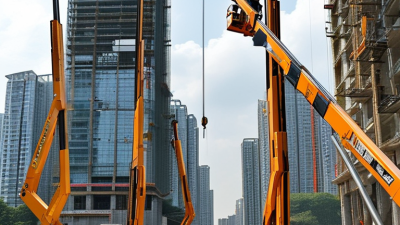
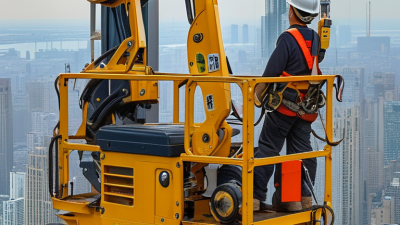
An Apollo mast climber is a powered work platform designed to move people and materials vertically beside a building. Apollo Mast Climbers use a rigid mast, climbing drive, platform deck, and protective guardrails. The system can provide a stable working level for façade installation, masonry, glazing, maintenance, and repair tasks.
Here is the basic principle. Electric motors turn pinions that engage with a rack fixed along the mast. As the pinions rotate, the platform rises or descends in controlled movements. Anchors connect the mast to the structure as the working height increases. A trained crew must assemble, level, inspect, and operate the equipment according to the manufacturer’s instructions. The ground base also needs suitable support, because uneven or weak surfaces can affect stability.
Small details matter.
Before use, workers should examine the mast connections, drive units, emergency controls, guardrails, and loading areas. They should also confirm the platform’s rated capacity and keep materials distributed evenly. Wind, nearby power lines, falling objects, and changing site conditions require careful assessment. Local regulations and approved training requirements must guide every installation and operation.
The picture is not always simple. A mast climber may save time, yet poor planning can create serious risks. Product specifications can vary between Apollo models and configurations. Therefore, this article explains the operating concept, not a replacement for site-specific engineering or professional instruction. Reliable use depends on documented inspections, competent supervision, and a clear understanding of the equipment’s limits.
Apollo Mast Climber: Definition and Main Components
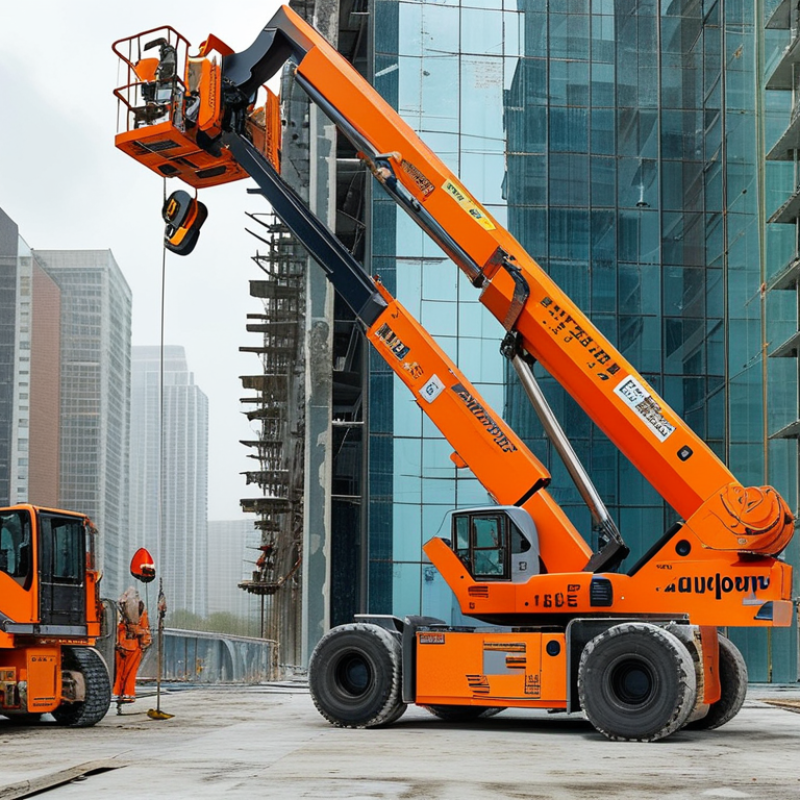
An Apollo mast climber is a powered, temporary work platform that travels vertically along a fixed mast. It gives crews a stable deck for masonry, cladding, glazing, and repairs. Unlike a suspended platform, it rises from a supported base and can carry workers, tools, and materials. The main structure includes a steel mast, rack-and-pinion drive units, platform sections, guardrails, adjustable outriggers, and a ground-level control panel.
Safety systems matter as much as lifting capacity. Typical components include mast ties, limit switches, emergency lowering controls, overload sensors, and mechanical brakes. Each mast section must align correctly, or movement can become uneven. OSHA reported 395 construction fall deaths among 1,069 total construction fatalities in 2022. That figure shows why access equipment requires disciplined planning, not casual setup. A site supervisor should check the foundation, tie spacing, platform loading, and daily inspection records. Small errors remain possible, especially when teams work quickly.
Tips: Keep the deck clear of loose materials. Confirm the rated load before adding equipment. Inspect bolts, racks, guardrails, and cables before every shift. Never ignore unusual vibration or noise. Manufacturer instructions and local standards should guide installation. A useful improvement is photographing each inspection, although photos alone cannot replace a hands-on check. In practice, many failures begin with assumptions about ground strength or shared loads. Those assumptions deserve another look.
What Is an Apollo Mast Climber and How Does It Work?
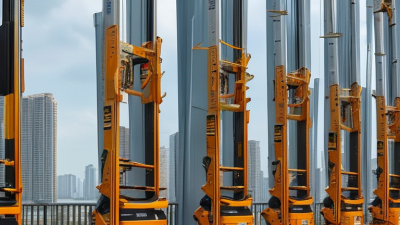
Typical Twin-Mast Configuration: Main Components
A mast climber is a powered work platform that travels vertically along one or more steel masts.
In a typical twin-mast arrangement, the platform is supported by two masts, while drive units,
controls, safety systems, and the base frame work together to provide lifting, positioning, and stability.
The quantities shown represent a common configuration; exact layouts vary according to platform size and project requirements.
How an Apollo Mast Climber Is Installed
Installing an Apollo mast climber begins with a documented site assessment. Engineers inspect the ground, façade, anchor points, and nearby overhead hazards. The base must sit on stable, level support, often with engineered spreader beams. Uneven ground can create dangerous mast loads.
Technicians then assemble mast sections vertically and connect each section with locking bolts. Tie-ins secure the mast to the structure at intervals specified by the manufacturer’s engineering design. The platform, drive units, rack, guardrails, gates, and emergency stops are installed afterward. A qualified person checks alignment, fastener torque, electrical protection, and load-control systems before operation. Installation is not always perfect. Small alignment errors can increase vibration and accelerate component wear.
Commissioning includes unloaded movement, emergency-stop testing, brake checks, and a controlled load test. Operators should receive practical training before the first shift.
The U.S. Bureau of Labor Statistics reported 1,075 construction fatalities in 2023, showing why installation discipline matters. IPAF’s Global Safety Report 2024 recorded 118 powered-access fatalities across 20 countries during 2023.
Those figures cover broader equipment categories, but they reinforce a clear lesson: access equipment requires verified controls, not assumptions. A written inspection record should identify the installer, test results, tie locations, and any unresolved defect. Small details matter.
How the Mast Climbing System Operates
A mast climbing work platform uses one or more steel masts to lift a working deck along a building façade. Rack-and-pinion drive units engage toothed sections fixed to the mast. Electric motors turn the gears, while brakes and limit switches control movement. The platform rises smoothly, then stops at the selected height. It can carry workers, tools, and façade materials without repeated ladder repositioning.
The operating sequence is practical but demanding. Technicians inspect the mast, drive units, anchors, emergency stop, and platform gates before use. Tie spacing must match the engineered installation plan. Uneven loading can twist the deck, especially when blocks or glass are stacked on one side.
OSHA 29 CFR 1926.451 requires scaffold components to support at least four times the maximum intended load. That figure is not permission to overload the platform.
Real sites are less tidy than training diagrams. Wind, wet surfaces, and damaged rack teeth can change how the system behaves.
The 2024 IPAF Global Safety Report recorded 118 powered-access fatalities across 20 countries during 2023; falls from height remained a major concern.
That report does not focus only on mast climbers, but its warning applies directly to elevated access work. A competent operator watches load indicators, keeps people below clear, and reports unusual vibration immediately. Small hesitation matters. Improvised repairs should never replace a qualified inspection.
Safety Features, Inspection, and Routine Maintenance
A mast climber is a powered work platform that rises along a vertical mast. Workers use it for façade repairs, installation, and controlled access at height. Its safety depends less on appearance than on disciplined checks. Before operation, inspect the mast sections, rack, pinion, platform gates, guardrails, and emergency stop. Look for bent metal, loose fasteners, damaged cables, or unusual wear. Small defects can become serious under load.
Inspection should follow the manufacturer’s schedule and the site’s competent-person procedures. Confirm the foundation is stable, anchors are secure, and the platform is level. Test limit switches, overload protection, alarms, brakes, and descent controls without bypassing any device. Keep a written record with dates, findings, corrective work, and the inspector’s name. A practical detail matters: photograph suspicious damage beside a ruler. It helps later decisions.
Do not operate the climber when wind, overloading, poor visibility, or a failed control creates uncertainty.
Routine maintenance includes cleaning the rack and pinion, lubricating approved points, checking bolt torque, and examining electrical connections for moisture or abrasion. Use only specified parts and lubricants. Isolate and secure the equipment before servicing. Never rely on the platform brake alone. I have seen teams treat a clean machine as a safe machine; that assumption is weak. Dust can hide cracks, and a recent inspection can miss damage caused during the last shift.