Top 10 Mast Climber Safety Tips for Global Buyers?
Mast climbers are essential for high-rise construction projects. They provide safe and efficient access to elevated areas. However, ensuring Mast Climber Safety is crucial for the well-being of workers. Ignoring safety measures can lead to accidents, causing injuries or even fatalities.
Understanding safety tips can dramatically reduce risks. It's vital for global buyers to recognize the importance of proper training. Workers must be equipped with knowledge about equipment use and hazard awareness. Regular inspections of the mast climbers can prevent mechanical failures.
Buyers should also prioritize purchasing from reputable suppliers. This ensures that the equipment meets safety standards. Incorporating best practices into daily operations fosters a culture of safety. Engaging all team members in safety discussions encourages vigilance. Keeping safety at the forefront not only protects lives but also enhances productivity.
Understanding the Importance of Mast Climber Safety
Mast climbers are essential tools in construction, enabling work at heights. However, their use presents risks that cannot be overlooked. Understanding mast climber safety is crucial for everyone involved. Proper training can reduce accidents, but many workers still underestimate the dangers.
Regular inspections are vital. Every component must be checked diligently to ensure safety. Any malfunction can lead to serious injuries. Workers often feel invincible when they’ve used the equipment successfully before. This is a misconception. The stakes are high, and complacency can cost lives.
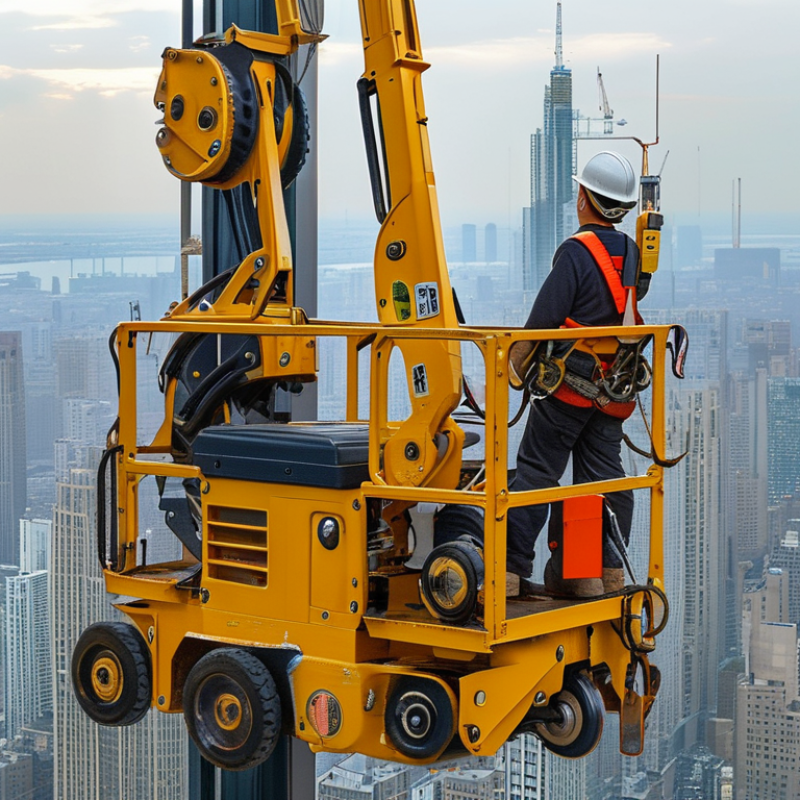
Equipping mast climbers with safety gear is a must. Harnesses, guardrails, and emergency procedures should be standard. Workers should feel empowered to speak up if safety standards are not met. Encouraging open dialogue can prevent catastrophic failures. The focus must always be on creating a culture of safety, where every individual plays a role in maintaining a secure work environment.
Mast Climber Safety Tips
Key Regulations and Standards for Mast Climber Operations
Mast climbers are essential for high-rise construction projects. However, safety must be a priority in their operation. Understanding key regulations and standards is crucial for safe usage. Safety codes vary by region, but some general practices apply globally. Operators must be familiar with the relevant regulations in their locale to ensure compliance.
Regular inspections and maintenance of mast climbers are vital. Adhering to Occupational Safety and Health Administration (OSHA) standards can prevent accidents. These standards provide guidelines for equipment specifications and operational procedures. Training workers on these standards can enhance safety on site. Documentation should be maintained to track safety measures and compliance.
It is important to note that even well-established regulations may not cover every scenario. This gap can lead to oversights during operations. Workers should be encouraged to report issues and concerns. Continuous improvement in safety practices is necessary for overall effectiveness. Each job site presents unique challenges that require constant evaluation and adaptation.
Essential Personal Protective Equipment for Mast Climber Users
When using mast climbers, personal protective equipment (PPE) is essential for ensuring worker safety. Hard hats are crucial. They protect against falling objects and head injuries. Workers should always wear them while on the mast. Safety gloves are equally important. They provide grip and reduce the risk of injury when handling heavy materials.
Harnesses, anchorage systems, and lanyards are vital for fall protection. They must be inspected regularly for wear or damage. The equipment should fit properly to be effective. Footwear should provide good traction. Slip-resistant soles help prevent accidents on elevated surfaces. Additionally, safety goggles prevent dust or debris from causing harm.
Training in proper PPE usage is often overlooked. Workers may not understand the importance of each piece of equipment. Regular safety drills encourage better practices. Each worker should be reminded to carry their equipment daily. Reflection on safety practices can lead to improved awareness and prevention.
Best Practices for Inspecting and Maintaining Mast Climbers
When it comes to mast climbers, regular inspection and maintenance are vital for ensuring safety on the job site. Start by conducting daily checks before use. Inspect the platform for any visible damage. Look for cracks, loose bolts, or rust on the structure. It’s essential to address any issues immediately. A small problem can escalate quickly if left unattended.
Pay attention to the cables and pulleys. These components face wear and tear from regular use. Look for frayed cables or worn-out pulleys. Replace any damaged parts as soon as possible. Additionally, schedule thorough inspections at regular intervals. These checks should be performed by a qualified technician. Professionals can catch issues that might go unnoticed during daily checks.
Documentation plays a crucial role in maintenance. Keep detailed records of all inspections and repairs. This information can help track patterns, revealing potential recurring issues. Reflection on past maintenance can lead to improved procedures. Sometimes, even minor oversights can lead to significant consequences. Prioritizing safety is non-negotiable in the world of climbing equipment. Regular attention and care can make all the difference in preventing accidents.
Training and Certification Requirements for Mast Climber Operators
Mast climber operators play a crucial role in construction and maintenance projects. Training and certification are vital to ensure safety and efficiency. As per industry standards, operators must undergo rigorous training that covers equipment handling, safety protocols, and emergency procedures. A 2022 safety report showed that inadequate training contributed to 40% of mast climber accidents. This stark statistic highlights the need for proper education in this field.
Certification programs often require operators to demonstrate their skills through practical assessments. These assessments not only evaluate operating capabilities but also ensure that individuals understand best practices. According to a recent occupational safety report, teams with certified operators experience a 25% reduction in accidents. This correlates with their enhanced knowledge of risk management. Continuous education and periodic re-certification maintain operators' awareness of evolving safety standards.
Despite these measures, training gaps still exist. Many operators may overlook the importance of ongoing education. The industry calls for a culture of safety that prioritizes continuous learning. Addressing these gaps could lead to further improvements. The commitment to safety must be a shared responsibility among all stakeholders. Enhanced training and certification can pave the way for a safer work environment.
Top 10 Mast Climber Safety Tips for Global Buyers
| Tip Number |
Safety Tip |
Training Requirement |
Certification Requirement |
| 1 |
Conduct Regular Inspections |
Daily Safety Checks |
Inspection Certification |
| 2 |
Ensure Proper Setup |
Setup Training |
Setup Certification |
| 3 |
Use Protective Gear |
Personal Protective Equipment Training |
Safety Equipment Certification |
| 4 |
Follow Load Limits |
Load Capacity Training |
Load Management Certification |
| 5 |
Stay Informed on Weather Conditions |
Weather Awareness Training |
Weather Safety Certification |
| 6 |
Use Emergency Stop Mechanisms |
Emergency Procedures Training |
Emergency Response Certification |
| 7 |
Implement Proper Communication Systems |
Communication Training |
Communication Systems Certification |
| 8 |
Train for Rescue Procedures |
Rescue Operations Training |
Rescue Certification |
| 9 |
Maintain Clear Work Area |
Worksite Safety Training |
Site Management Certification |
| 10 |
Conduct Regular Safety Meetings |
Safety Meeting Training |
Safety Leadership Certification |