Best Hek Mast Climber for Efficient Construction Projects?
The construction industry continually seeks ways to increase efficiency and safety. This is where the Hek Mast Climber comes into play. It stands out as a pivotal tool for various construction projects. Its design enables workers to reach higher elevations quickly and securely.
Many professionals praise the Hek Mast Climber for its stability and ease of use. Lightweight yet durable, it enhances productivity on job sites. Workers can focus on tasks, reducing time spent on setup and safety concerns. However, some users have noted challenges with initial assembly.
Understanding these pros and cons is crucial for making informed decisions. As construction advancements continue, the Hek Mast Climber remains a significant asset. Choosing the right equipment can directly impact project success and worker safety. Evaluating this climber's features will ensure optimal performance on your next construction endeavor.
Overview of Hek Mast Climbers in Construction
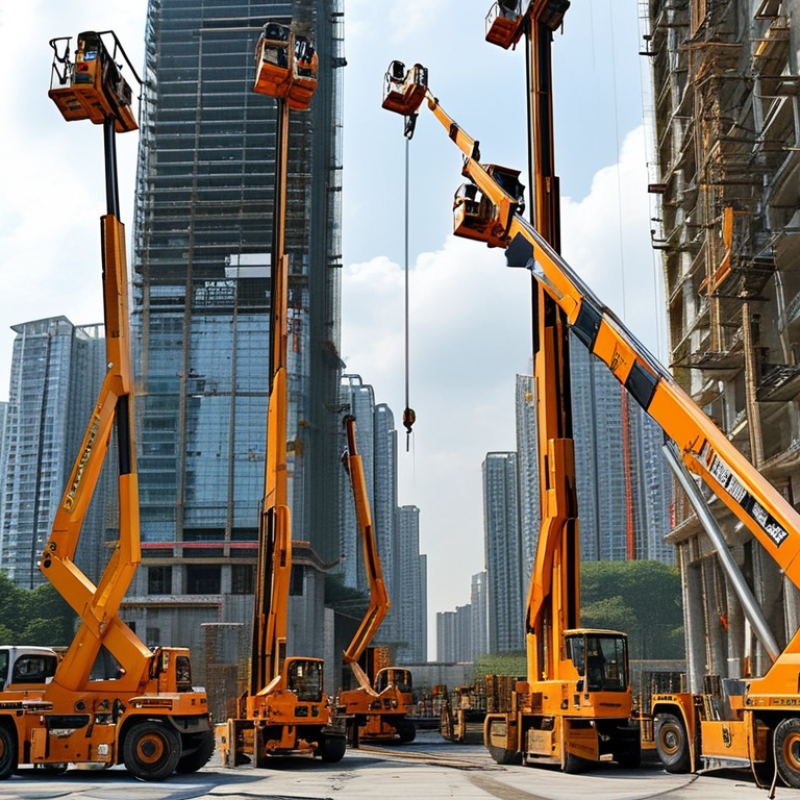
Mast climbers have become essential tools in the construction industry. Their efficiency in transporting both materials and workers is unparalleled. These devices elevate teams to significant heights, streamlining projects that would otherwise take longer. The stability they provide is crucial when working on high-rise buildings.
Hek mast climbers offer flexible configurations. Workers can adjust the platform size according to their needs, maximizing space for tools and materials. However, the setup process can be challenging, especially for inexperienced crews. Training is necessary to ensure safety and functionality. A lack of proper understanding may lead to inefficiency and increased costs.
Maintenance is another vital aspect to consider. Regular checks are essential to ensure climbers operate smoothly. Neglecting this can result in equipment failure during critical phases of construction. While cost-effective in the long run, mast climbers require an upfront investment in both training and maintenance. Proper planning is key to leveraging their full potential in any construction project.
Key Features to Consider for Effective Use
When selecting a mast climber for construction projects, certain key features can enhance efficiency and safety. Look for a robust load capacity. A climber must handle materials and workers simultaneously, ensuring seamless workflow. Consider the height range as well. A versatile climber can adapt to various building types, saving time and resources.
One critical aspect is the safety features. Ensure the climber has reliable guardrails and emergency braking systems. Workers' safety should always be a top priority. Another factor to assess is ease of setup and dismantling. Timely assembly allows contractors to stay on schedule. A cumbersome process can lead to delays and increased costs.
Maintaining the climber is essential. Regular inspections can prevent accidents. Operators should conduct daily checks to ensure all components are functioning correctly. Keep in mind, the quality of materials used can affect durability over time. A cheap option might seem appealing but could result in high replacement costs and downtime. Always weigh these factors when making a decision.
Best Hek Mast Climber for Efficient Construction Projects? - Key Features to Consider for Effective Use
| Model |
Load Capacity (kg) |
Max Height (m) |
Platform Size (m²) |
Power Source |
Weight (kg) |
| Model A |
500 |
40 |
10 |
Electric |
800 |
| Model B |
750 |
50 |
12 |
Diesel |
950 |
| Model C |
600 |
45 |
11 |
Electric |
850 |
| Model D |
900 |
60 |
15 |
Hydraulic |
1100 |
Comparison of Popular Hek Mast Climbers Models
When choosing a mast climber for construction, it's essential to evaluate your needs. Various models offer different features. For example, some climbers focus on load capacity, while others prioritize speed and safety. It's crucial to consider the project type and location. Weight limits and working heights vary, impacting your choice.
Ergonomics play a vital role in efficiency. Some mast climbers are designed for easy assembly and disassembly. This can save valuable time on site. Look for models that have straightforward controls. User-friendly designs enhance safety and reduce training time. However, not all models are equally easy to operate. Complex mechanisms can lead to frustration.
Durability and reliability are critical aspects to evaluate. Some models may seem robust but fail under rigorous conditions. Investigate user reviews for real-life experiences. Look for information on maintenance requirements as well. Frequent servicing can hinder productivity. Ultimately, the ideal mast climber balances performance and practicality while meeting project demands.
Benefits of Using Hek Mast Climbers for Construction Efficiency
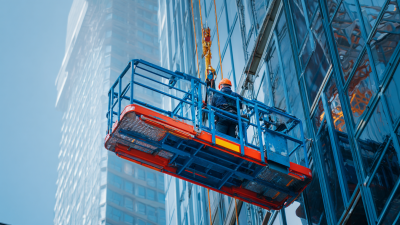
Mast climbers have gained popularity in construction for enhancing project efficiency. The Hek mast climber, in particular, offers various benefits that can significantly improve workflow on construction sites. These machines provide a stable platform, allowing workers to operate at height safely and effectively. With an increased lifting capacity, tasks like painting or installing fixtures become much simpler, minimizing downtime.
Using mast climbers can lead to better coordination among team members. Workers can communicate easily from the elevated platform, resulting in fewer errors. Additionally, the flexibility of adjusting the height quickly means that tasks can be completed more efficiently. This adaptability helps in keeping projects on schedule, which is crucial for budget management. Given the pressure of tight timelines, the efficiency gained from using a mast climber can make a noticeable difference.
Consider the site layout before deploying a mast climber. Identify potential obstacles that may hinder operations. Planning for weather conditions is also essential. Rain or wind can lead to work stoppages. Ensure workers are adequately trained to operate these machines safely. Investigating options for regular maintenance can also enhance reliability, avoiding costly downtime.
Safety Considerations When Utilizing Hek Mast Climbers
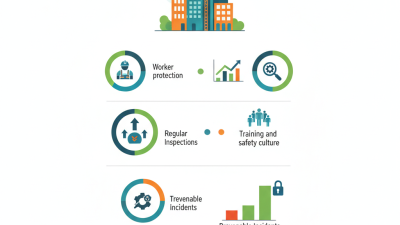
When utilizing Hek mast climbers, safety should always be the top priority. These machines enhance efficiency, but they bring their own risks. Regular inspections are crucial. Operators must check for wear and tear. Structural integrity is vital to prevent accidents. Lack of maintenance can lead to catastrophic failures.
Proper training for users is essential. Workers should understand how to operate these climbers safely. Comfortable and secure working environments minimize hazards. A strong emphasis on communication among team members is necessary. This ensures everyone is aware of their responsibilities.
Additionally, personal protective equipment must never be overlooked. Hard hats, harnesses, and safety shoes are fundamental. Falling objects can cause severe injuries. The environment around the construction site also requires attention. Obstructions and uneven surfaces should be managed. Reflecting on these aspects regularly can improve overall safety practices.