What Is an Access Mast Climber and How Does It Work?

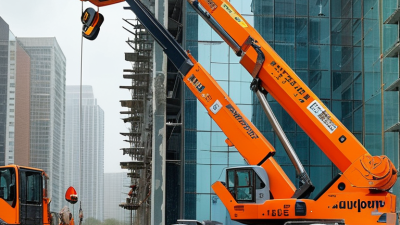
Access Mast Climbers are temporary powered platforms that move vertically along a fixed mast. They help workers reach façades, windows, cladding, and masonry without repeatedly repositioning a conventional scaffold. The platform rises through a rack-and-pinion drive system. Motors engage the mast’s toothed rack, while anchors stabilize the structure against the building.

This equipment can look simple from the ground. It is not. A loaded platform changes the demands on the mast, ties, motors, and foundation. Operators must check rated capacity, tie spacing, weather conditions, emergency controls, and visible damage before each shift. ANSI/SAIA A92.9-2020 and European Standard EN 1495 provide important technical references for mast-climbing work platforms. These standards support safer design, installation, inspection, and operation.

The need for discipline is clear. The IPAF Global Safety Report 2024 recorded 118 powered-access fatalities during 2023, across 22 countries and regions. The report covers more than mast climbers, but its warning applies directly: height-related work leaves little room for careless assumptions. The U.S. Bureau of Labor Statistics also recorded 1,075 fatal occupational injuries in construction during 2023.

Peter Douglas, former CEO of the International Powered Access Federation, has repeatedly emphasized that safe access depends on planning, training, and supervision. His practical message can be stated plainly: “Plan, train, and supervise every lift.” A little blunt, perhaps. But useful.

This guide explains what Access Mast Climbers are, how their drive and anchoring systems work, and where planning can fail. It also examines real jobsite details, including uneven loading, wind, inspections, and emergency descent procedures. Mistakes happen. Good systems make them less likely.
What Is an Access Mast Climber and How Does It Work?

What Is an Access Mast Climber? Definition, Structure, and Main Uses

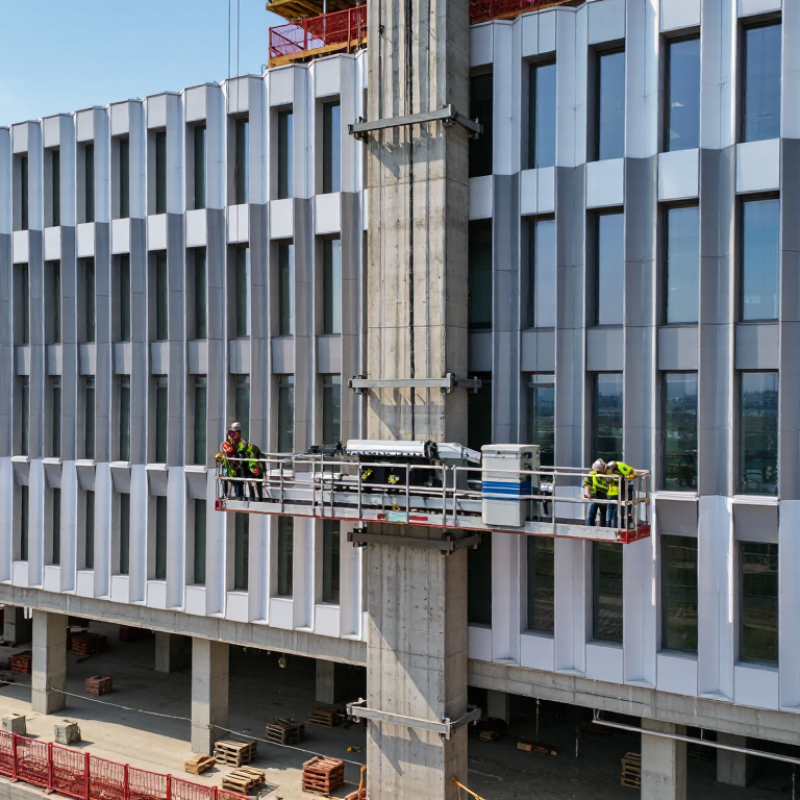
An access mast climber is a powered work platform that moves vertically along a fixed mast. It gives workers a stable, adjustable platform beside tall walls, façades, and structural frames. Unlike a suspended platform, it rises through rack-and-pinion or similar mechanical drive systems. The mast transfers loads into the supporting structure or a designed ground base. A typical unit includes a platform deck, mast sections, drive motors, guardrails, toe boards, anchors, controls, and emergency systems. Platform length can often be adjusted for different work areas. It may carry workers, tools, and approved materials within its rated capacity.

The machine works through synchronized drive units attached to the platform. As the motors turn, climbing mechanisms move along the mast. Operators control travel speed and stopping points from a platform panel. Proper installation requires level foundations, secure mast ties, electrical checks, and load verification. Common uses include façade installation, brickwork, painting, glazing, insulation, and maintenance. It can reduce repeated ladder movement and improve access to wide elevations. However, it is not automatically safer than scaffolding. Poor anchoring, uneven loading, or rushed inspections can create serious hazards. I have found that small setup details often matter more than platform size.

Tips: Inspect the mast, anchors, controls, and guardrails before each shift. Keep heavy materials distributed across the deck. Do not exceed the stated load or working height. Trained operators should check weather conditions, especially strong wind. Keep the emergency lowering procedure visible. If movement feels rough, stop immediately and report it. A second inspection is never wasted.

What Is an Access Mast Climber and How Does It Work?

An access mast climber is a powered work platform that moves vertically along an anchored mast. It provides adjustable access for façade installation, cladding, glazing, maintenance, and inspection work.

The chart shows representative operating ranges commonly found in access mast climber systems. Actual values vary according to platform configuration, mast design, building height, and load requirements.

How Mast-Climbing Work Platforms Lift Loads at Typical 8–12 m/min Speeds

What Is an Access Mast Climber and How Does It Work?

An access mast climber is a powered platform that rises along a vertical mast. Rack-and-pinion drive units move the platform upward in controlled sections. Typical lifting speeds range from 8 to 12 m/min, depending on the machine, load, and site conditions.

At 10 m/min, reaching a 30-m work level takes about three minutes under ideal conditions. That is fast.

The rated capacity includes workers, tools, materials, and unevenly distributed loads. A full pallet placed near one edge can affect platform stability and motor demand. Experienced crews check the loading plan before every lift. They also watch wind, mast tie spacing, power supply, and emergency lowering systems.

Speed should never replace a pre-use inspection. Real sites are messier.

Industry guidance supports this cautious approach. EN 1495 addresses design and safety requirements for mast-climbing work platforms, including controls and protective devices. The U.S. Bureau of Labor Statistics reported 421 fatal falls to a lower level in construction during 2023. That figure covers construction broadly, not mast climbers specifically, but it shows why elevated access requires disciplined procedures.

The International Powered Access Federation’s safety reporting also highlights falls, entrapment, and overturning as recurring powered-access hazards. In practice, a smooth 8–12 m/min climb matters only when the platform remains level, the load stays within its chart, and workers maintain clear communication.

Speed figures are useful. They are not guarantees.

Key Components: Mast Sections, Drive Units, Platforms, and Safety Devices

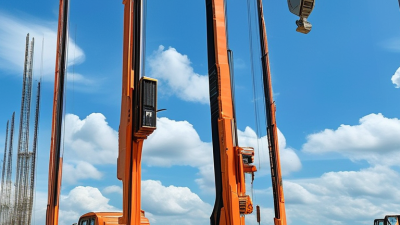
An access mast climber is a temporary powered platform for vertical work on building façades. It travels along fixed mast sections, giving workers adjustable access across several levels. The mast forms the rigid vertical route. Each section connects to the next, creating a stable tower beside the structure. Correct alignment matters. A small installation error can affect smooth travel and platform stability.

The drive units use geared motors and climbing mechanisms to move the platform upward or downward. Operators control movement from the platform, while brakes help hold position when power stops. The platform provides the working floor and should remain within its rated load.

Materials, tools, and workers all count toward that limit. Guardrails, gates, toe boards, overspeed protection, emergency stops, and limit switches provide additional protection. Safety devices must be tested before use, not merely assumed to work.

Tips: Inspect mast connections, anchors, cables, and controls before every shift. Keep the platform balanced and clear of loose materials. Check wind conditions and follow the equipment’s operating instructions. Stop immediately if movement becomes uneven, unusual noise appears, or a safety device fails. Competent personnel should perform installation, inspection, and maintenance. No setup is flawless. Records should note defects, corrections, and changing site conditions. That practical discipline often prevents a minor fault from becoming a serious incident.

How EN 1495 Standards Govern Mast Climber Design, Installation, and Operation

An access mast climber is a powered platform that rises beside a building on vertical mast sections. Rack-and-pinion drives move the platform upward, while workers load materials and complete façade tasks at adjustable heights. EN 1495 sets essential requirements for its design, including structural strength, platform guarding, overload protection, emergency descent, and control systems. The standard also addresses mast connections, anchorage, stability, and safe operating limits.

Installation is not a quick assembly task. A competent person should assess the ground, tie locations, wind exposure, platform load, and nearby structures. Every mast section must align correctly, with bolts, anchors, and safety devices checked against the manufacturer’s instructions and the applicable EN 1495 requirements. HSE’s Fatal Injuries in Great Britain 2023/24 report recorded 50 worker deaths from falls from height. That figure covers many industries, but it shows why installation details matter. A small alignment error can become a serious movement problem.

Tips: Keep a written inspection record. Test emergency functions before each shift. Do not treat a low wind reading as permission to ignore site conditions. EN 1495 supports safe decisions, but it cannot correct poor supervision or rushed work. In practice, crews sometimes focus on platform capacity and overlook uneven ground or changing façade loads. That deserves more reflection. Recheck the system after relocation, severe weather, impact, or any unusual noise. References: EN 1495:1997+A2:2009 and UK Health and Safety Executive, Fatal Injuries in Great Britain 2023/24.

Choosing Capacity, Platform Length, and Anchoring for Safe Vertical Access

What Is an Access Mast Climber and How Does It Work?

Choosing Capacity, Platform Length, and Anchoring for Safe Vertical Access

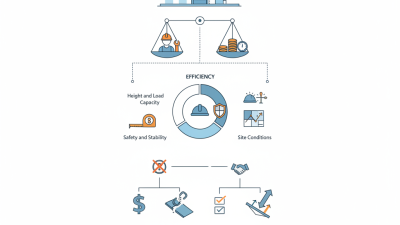
An access mast climber uses a powered platform that travels along a fixed mast. It supports workers, tools, and materials beside a building. Capacity selection must include every load, not only the crew. Add tools, stored materials, weather effects, and uneven distribution. Never use the rated capacity as a comfortable target.

OSHA scaffold guidance cites about 4,500 injuries and 50 deaths annually from scaffold-related incidents in the United States. The figure is older, but the warning remains relevant.

Platform length also affects stability and productivity. A longer deck can reduce repositioning, yet it may increase deflection and uneven loading. Check the manufacturer’s load chart, allowable span, gate position, and material dimensions. Keep heavy items near the mast when permitted. A neat calculation can still fail when bricks collect at one end. Site conditions are rarely perfect.

Tips: Measure twice. Confirm the real load. Inspect every tie.

Anchors must connect the mast to a verified structural point, not weak cladding or decorative masonry. Tie spacing depends on wind exposure, building height, mast configuration, and engineered calculations. Follow the installation manual and the applicable standard, such as EN 1495.

HSE’s Fatal injuries in Great Britain, 2023/24 recorded 51 worker deaths from falls from height. That statistic supports disciplined planning, not shortcuts.

Have a competent person inspect the mast, platform, ties, and emergency systems before use. Even experienced teams should question an unusual façade or changing wind conditions.