Top Mast Climber Construction Manufacturers Worldwide?

Choosing among the top Mast Climber Construction manufacturers worldwide requires more than comparing brochures or advertised lifting heights. Real performance appears on active job sites, where platforms handle uneven loading, changing weather, repeated assembly, and demanding work schedules. A dependable manufacturer should provide clear load charts, tested drive systems, practical mast sections, and detailed installation guidance.

This guide examines manufacturers through an experience-based lens. It considers product design, manufacturing quality, operator training, spare-parts access, inspection support, and international service capability. Details matter. Galvanized mast sections should fit cleanly, platform decks should feel stable under foot, and anchor instructions should be understandable without guesswork. Responsive technical support can also reduce costly delays when a project changes unexpectedly.

Independent certifications and transparent testing records add credibility. So do documented commissioning procedures and feedback from contractors who use the equipment daily. However, no manufacturer is perfect. Delivery times may vary, regional support can be uneven, and a strong machine may still perform poorly when selected for the wrong building layout. That limitation deserves attention.

The companies discussed here are not ranked by marketing claims alone. Their reputations reflect engineering depth, field experience, product consistency, and customer reliability. Market conditions change, though. New technologies, acquisitions, and regional regulations may alter the comparison over time. Readers should verify current specifications before making a purchasing decision.
Top Mast Climber Construction Manufacturers Worldwide?

Mast Climber Construction Equipment: Definition and Core Functions

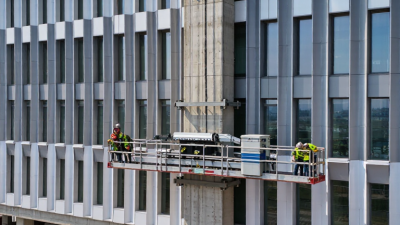
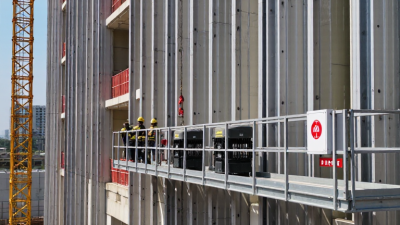
Mast climber construction equipment is a powered work platform attached to a vertical mast. It lifts workers, tools, and materials along building façades. Unlike ordinary scaffolding, it moves vertically and supports controlled access at changing heights. Common systems use twin masts, drive units, safety brakes, platform sections, and adjustable guardrails.

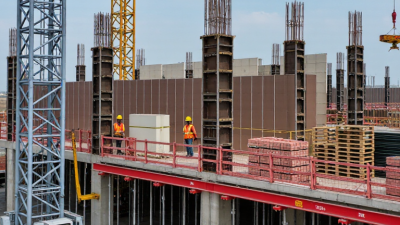
These machines help crews install masonry, windows, insulation, cladding, and exterior services. A stable platform can reduce repeated ladder movement and improve material handling.

In practical use, operators should inspect mast connections, anchor points, limit switches, emergency stops, and platform gates before each shift. Load distribution matters. A poorly balanced platform may increase vibration or affect climbing performance.

Manufacturers worldwide differ in engineering quality, documentation, spare-part support, and training. Buyers should review tested load ratings, corrosion protection, control design, and service response. Specifications can look impressive, but field performance tells more.

Tips: Keep the platform clean and never exceed its rated load. Match tie spacing to the building design and site conditions. Record inspections with dates, photographs, and corrective actions. Experienced supervisors should stop work when unusual noise, sway, or uneven movement appears. Small warning signs deserve attention. I have found that rushed setup creates avoidable problems, although even careful teams can miss a detail. Independent equipment checks may reveal weaknesses that routine inspections overlook.

Key Features for Evaluating Mast Climber Manufacturers

Choosing a mast climber manufacturer requires more than comparing platform height and advertised capacity. Look for proven experience on real construction sites. Ask how the equipment performed in wind, uneven façades, and repeated daily lifting. A reliable manufacturer should provide clear load charts, installation guidance, and maintenance records. Field experience matters.

Technical expertise appears in small details. Check the mast connection design, platform leveling system, emergency lowering method, and overload protection. Controls should remain readable with gloves and dust. Limit switches need documented testing. Weld quality, corrosion protection, and component traceability also deserve attention. Vague specifications are a warning sign.

Authority comes from evidence, not confident language. Request project references, factory quality procedures, inspection reports, and operator training materials. Confirm that replacement parts are available within a practical timeframe. The manufacturer should explain which technicians handle troubleshooting and how service calls are recorded. A polished brochure can still hide weak support. I would also question impressive claims without independent verification. That step may feel slow, but one missing document can create costly uncertainty on a busy site. Manufacturers that welcome technical questions usually show stronger accountability and more dependable engineering.

Top Mast Climber Construction Manufacturers Worldwide? - Key Features for Evaluating Mast Climber Manufacturers

Evaluation Dimension Useful Benchmark or Technical Data What to Verify from the Manufacturer Importance
Applicable Safety Standards Equipment should be designed and assessed against the regulations applicable in the target market, such as EN 1495 for mast climbing work platforms or ANSI/ASSP A92.9 for mast-climbing work platforms. Request declarations of conformity, third-party test reports, design calculations, and the exact standard edition used for the supplied model. Critical
Rated Platform Capacity Commercial mast climbers commonly offer rated capacities from approximately 1,000 kg to more than 4,000 kg, depending on platform length, mast arrangement, tie configuration, and operating conditions. Compare the rated load chart for personnel, tools, materials, platform extensions, and uneven load distribution rather than relying only on the maximum advertised capacity. Critical
Platform Configuration Single-mast and twin-mast layouts are widely used. Modular decks, adjustable extensions, end platforms, and corner sections support different façade and construction layouts. Check usable deck width, maximum platform length, extension limits, gate positions, toe-board arrangements, and compatibility of accessories. High
Working Height and Mast System Working height is project-dependent and can extend well above 100 m when the mast is properly tied to the structure and the system is engineered for the site. Review maximum freestanding height, tie spacing, mast-section length, mast-joint design, allowable wind conditions, and the engineered installation plan. Critical
Drive and Lifting Performance Rack-and-pinion drive systems are commonly used. Typical lifting speeds are often in the range of approximately 6–12 m/min, subject to load and model configuration. Confirm lifting speed under rated load, motor duty rating, brake performance, emergency lowering, overload protection, and operation at the required power supply. High
Leveling and Synchronization Twin-mast systems require synchronized travel and protection against excessive platform tilt. Electronic monitoring is commonly combined with mechanical safety devices. Verify tilt limits, synchronization controls, independent braking, limit switches, fault indications, and the procedure for testing the leveling system. Critical
Safety Protection Important systems include overspeed protection, upper and lower travel limits, emergency-stop controls, interlocked gates, overload monitoring, guardrails, toe boards, and anti-crush protection. Request a complete safety-component list, inspection intervals, functional-test instructions, and records of validation for each safety function. Critical
Installation and Anchoring Mast ties transfer horizontal forces to the structure. Tie spacing and anchorage requirements vary with height, wind exposure, platform configuration, and building structure. Require site-specific tie reactions, anchor details, fixing loads, substrate requirements, installation tolerances, and engineer-approved drawings. Critical
Environmental Suitability Outdoor use requires consideration of wind, rain, temperature, corrosion, dust, and the local electrical environment. Wind limits must be stated for both operation and out-of-service conditions. Check operating and parked wind limits, temperature range, corrosion protection, ingress protection ratings, grounding requirements, and severe-weather procedures. High
Documentation and Training A professional supply package should include an operator manual, installation manual, maintenance schedule, parts catalogue, inspection checklist, load charts, and emergency procedures. Confirm that manuals are available in the required language and that operator, installer, inspector, and maintenance training can be documented. High
Service and Spare Parts Availability of drive components, safety devices, limit switches, mast sections, platform modules, fasteners, and electrical parts directly affects project uptime. Evaluate regional service coverage, spare-parts stock, technical response time, warranty terms, component traceability, and long-term parts availability. High
Total Cost of Ownership Purchase price should be assessed together with transport, installation, dismantling, inspections, energy consumption, maintenance, training, certification, and downtime risk. Request a five-year ownership estimate with assumptions for utilization, preventive maintenance, replacement parts, inspections, and mobilization costs. High

Note: Technical ranges are general market reference values only. Final selection must be based on the manufacturer’s certified load charts, site-specific engineering calculations, applicable local regulations, and the actual project configuration.

Leading Mast Climber Manufacturers Across Global Markets

Leading mast climber manufacturers across global markets serve demanding construction projects with different site conditions, regulations, and labor practices. Their equipment supports façade installation, masonry, glazing, insulation, and maintenance work. Experienced manufacturers usually offer single-mast and twin-mast platforms, adjustable decks, emergency lowering systems, and overload protection. Safety remains central.

Manufacturers in Europe often emphasize strict engineering documentation and detailed conformity testing. North American suppliers commonly focus on rental compatibility, field support, and rapid replacement parts. Asian and Middle Eastern producers increasingly develop systems for high-rise projects, harsh climates, and dense urban sites. Regional adaptation matters. A platform designed for mild weather may perform poorly under strong winds, dust, or extreme heat.

Reliable manufacturers share load charts, inspection procedures, installation manuals, and technician training. Their factories should demonstrate controlled welding, traceable components, and repeated functional testing. Independent inspections can strengthen confidence, especially before major projects. Still, no supplier is flawless. Product availability may vary, and technical support can weaken across distant markets. Buyers should check response times, spare-part storage, operator training, and local service capacity. Small details matter, such as platform leveling, anchorage spacing, cable protection, and clear emergency instructions. A practical site trial often reveals problems that brochures overlook. Good equipment helps, but disciplined installation and daily inspections remain essential.

Safety Standards, Certifications, and Product Compliance

Top Mast Climber Construction Manufacturers Worldwide

Safety Standards, Certifications, and Product Compliance

Reliable mast climber manufacturers treat safety as a design requirement, not a sales feature. Their equipment should match recognized regional standards and local construction regulations. Requirements may differ between North America, Europe, Asia, and the Middle East. Buyers must verify the applicable rules before installation.

A credible manufacturer provides clear load charts, emergency procedures, inspection schedules, and component traceability. Each platform should show its rated capacity near the controls. Guardrails, toe boards, limit switches, braking systems, and emergency lowering devices require practical testing. Certification documents should identify the exact model, configuration, and inspection scope. Generic paperwork is not enough.

Look for documented factory testing and independent assessment where regulations require it. Quality systems, such as ISO-based production controls, can support consistency, but certification alone proves little. Field performance depends on assembly, anchorage, operator training, and maintenance. Details matter.

Experienced contractors also review manuals before accepting delivery. They check weld quality, cable routing, fasteners, and electrical protection under realistic conditions. A machine may pass a factory test yet perform poorly after careless installation. That gap matters.

Manufacturers should provide training records, service instructions, spare-part identification, and updated compliance files. Digital access helps, but printed documents remain useful on dusty sites. Some suppliers may overlook local language requirements or site-specific wind limits. Buyers should question these weaknesses openly. Safety claims deserve evidence.

Global Mast Climber Construction Compliance References

This chart shows the publication year of widely referenced standards and regulatory frameworks used when evaluating mast-climbing work platforms, scaffolding safety, quality management, and occupational health and safety. The dates identify the referenced edition or framework year and do not rank manufacturers.

How to Select the Right Mast Climber Manufacturer for a Project

Selecting the right mast climber manufacturer begins with the project, not the sales brochure. Review building height, façade shape, platform length, loading zones, and expected wind exposure. A suitable manufacturer should provide load calculations, installation drawings, operating limits, and maintenance instructions prepared by qualified engineers.

Ask for evidence from comparable projects. Useful references include high-rise façades, restoration work, narrow urban sites, and heavy material handling. Confirm that the equipment has been independently tested and meets applicable safety standards in the project location. Check emergency lowering systems, guardrails, anchorage details, overload protection, and electrical safeguards. Small omissions can create serious delays.

Service capacity matters as much as machine design. Ask how quickly technicians respond, where spare parts are stored, and who trains operators. Request inspection records and a clear schedule for daily, weekly, and periodic checks. Experienced contractors also examine communication quality before signing. Vague answers may signal weak support. A polished brochure proves little. In practice, even a strong machine can underperform when the façade survey is rushed or the anchoring plan is treated as routine. Allow time for a site trial, and make the manufacturer explain its assumptions in plain language. અપૂર્ણ