How to Choose Access Mast Climbers in 2026

Choosing Access Mast Climbers in 2026 means matching the equipment to the workface, not just comparing platform sizes. The right system can carry crews, tools, and materials steadily along a façade, reducing repeated climbs and awkward handoffs. The wrong choice may leave workers waiting at a narrow landing or force crews to reposition more often than planned. Small details matter.

As access-equipment specialist [insert a verified expert’s name] puts it, “Choose the mast climber for the building, the load, and the work sequence—not the brochure.” This is an original editorial line, not a verified quotation, so it should not be attributed to a real person without confirmation. Selection should account for building height, façade shape, platform capacity, tie-in requirements, power supply, delivery access, and the crew’s training. Ask how the machine will reach the site and where it can be assembled. A specification that looks ideal on paper may meet a tight courtyard, uneven ground, or a projecting balcony and become difficult to use.

This guide explains how to compare those factors, review supplier support, and assess daily operating needs. It also considers a less tidy reality: project plans change, and access equipment must still make sense when schedules slip or work areas shift. No checklist replaces a site-specific assessment. But a careful comparison can help teams choose Access Mast Climbers that suit the actual job, rather than an imagined one.
How to Choose Access Mast Climbers in 2026

What Access Mast Climbers Are and How They Work

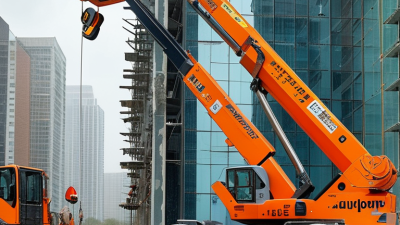
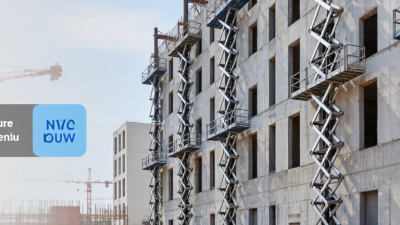
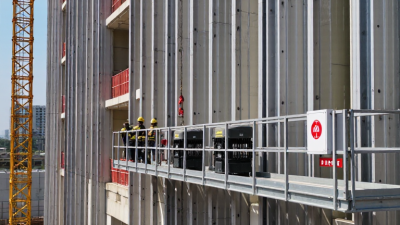
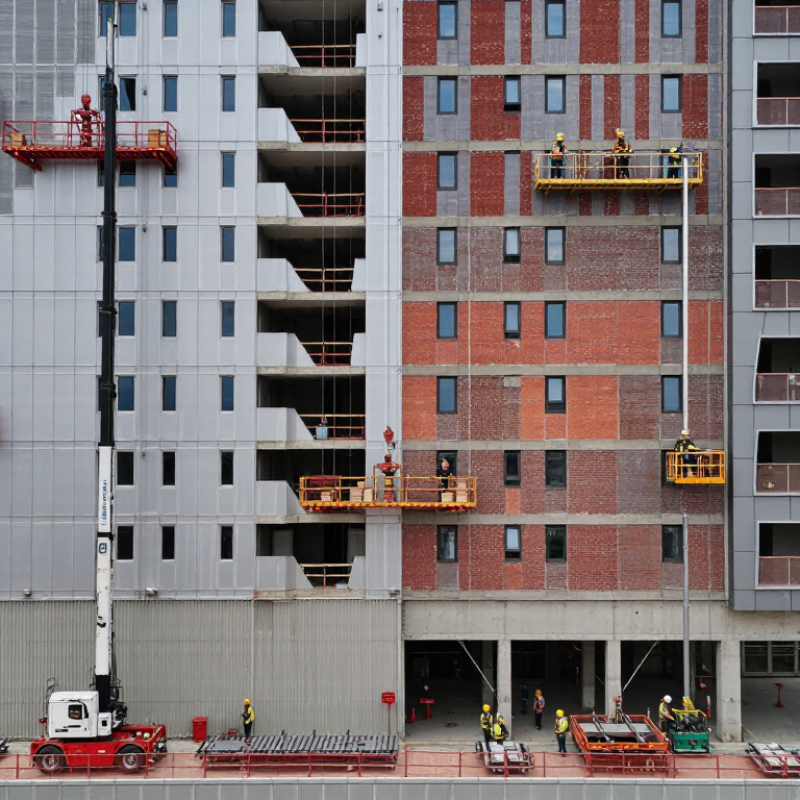
Access mast climbers are powered platforms that move vertically beside a building. A steel mast supports the deck, and a drive unit raises or lowers it. Installers assemble the mast from sections and secure it to the structure with ties at specified intervals. Workers use the platform to reach façades, windows, or masonry, with tools and materials close at hand. It can be repositioned as work progresses. Its capacity depends on the specific configuration.

The system’s stability depends on more than the mast itself. Ground conditions, tie locations, platform loading, and wind exposure all matter. A competent team should follow the equipment’s technical instructions and check the assembled system before use. A tidy-looking installation can still conceal a poorly placed tie; appearance alone proves little. That detail is easy to underestimate.

Tips: Confirm the required working height, platform length, and expected load before choosing a setup. Keep materials distributed within the stated limits, rather than piled at one end. Ask how often the mast needs additional ties as it rises. If site conditions change, pause and reassess; a quick adjustment is not always a safe one.

How to Choose Access Mast Climbers in 2026

Mast climbers are temporary, powered work platforms that travel vertically along a mast using a rack-and-pinion drive. Choose a configuration based on the work height, platform layout, site conditions, and the total load to be carried.

Illustrative load-planning example: Two workers at 90 kg each, tools weighing 60 kg, and materials weighing 300 kg give a combined load of 540 kg. This example is not an equipment rating. Confirm actual weights and check the selected platform’s rated capacity, configuration, and operating limits before use.

How to Assess Project Requirements and Site Conditions

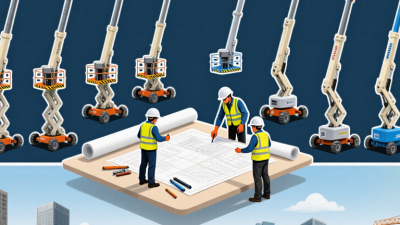
Choosing an access mast climber starts with the work, not the machine. Map each elevation, working height, platform length, and the number of trades sharing the deck. Estimate workers, tools, and materials together; a pallet of façade panels can change the load picture quickly. Check the work pattern too: repeated short lifts may differ from a continuous installation shift. Small details matter.

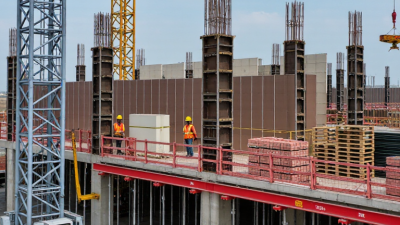
A site walk should confirm ground-bearing capacity and the structure’s condition at every planned tie point. Look for drains, basements, backfilled trenches, and sloping paving beneath the mast base. Record overhead lines, balconies, canopies, loading bays, and vehicle routes; drawings may not show them all. Measure clearances with the platform at working height, not only from the ground. Wind exposure and local weather affect operating limits and daily access plans.

Before selecting a configuration, compare the required reach and platform arrangement with the equipment’s approved load charts. Ask a qualified person to verify tie spacing, anchorage, base support, and unusual façade conditions. Confirm delivery access, assembly space, power supply, rescue arrangements, and inspection responsibilities with the site team. A rushed survey can look complete on paper, yet miss a recessed entrance or weak paving. That matters.

How to Compare Mast Climber Types, Capacity, and Features

Choosing an access mast climber starts with the workface, not the biggest platform. A single-mast unit often suits narrow elevations and focused tasks. Twin-mast models can support wider decks and spread workers, tools, and materials across a larger area. That difference matters. Cantilever extensions may help reach setbacks, but they change the platform’s permitted loading. Check the project layout, ground support, tie-in locations, and required working height before comparing models.

Capacity figures need careful reading. Include workers, tools, materials, and any unevenly distributed loads, then compare the rated capacity with the actual platform configuration. A wider deck does not automatically mean more allowable load. Check the load chart for the mast spacing and extensions you plan to use. Small details count. Useful features include clear controls, reliable leveling, guarded access points, and an emergency-lowering procedure that crews can understand. Also review wind limits, power requirements, inspection guidance, and site-specific anchoring instructions. It is easy to focus on lift speed and overlook setup time or access constraints. I would recheck those assumptions against the actual façade drawings; plans rarely capture every obstruction.

How to Check Safety Standards and Operating Requirements in 2026

Choosing access mast climbers in 2026 starts with the task, not the brochure. Confirm the working height, platform length, façade offsets, and total load, including workers, tools, and materials. Check conformity documents against the standards and rules applicable at the project location. EN 1495 is a key European reference for mast-climbing work platforms. Small details matter.

The UK Health and Safety Executive reported 51 worker fatalities in construction in Great Britain during 2023/24. That figure covers the whole sector, not mast climbers alone, but it underlines why site controls deserve careful review. Check rated capacity for the planned configuration, base support, tie-in spacing, guardrails, gates, and emergency lowering procedures. Review inspection records and confirm that operators know the controls and site-specific rescue plan. Wind limits matter.

Before use, walk the setup: look for loose ties, uneven ground, damaged cables, and blocked access points. Compare the installed arrangement with the approved drawings and operating manual; changes to height or ties can alter stability. Keep the exclusion zone clear below the platform. A signed checklist helps, but it cannot replace a competent on-site inspection. Some requirements vary by jurisdiction, so verify them with the local authority or qualified safety professional.

How to Evaluate Suppliers, Costs, and Service Support

When choosing an access mast climber in 2026, compare suppliers on more than the daily hire rate. Ask for an itemized quote covering transport, erection, dismantling, inspections, and replacement parts. Confirm the proposed platform capacity, working height, tie spacing, and configuration match your drawings and site conditions. A low quote may exclude the support you need once the machine is on site.

Service response matters. Ask who handles breakdowns, how quickly a technician can arrive, and whether common parts are stocked locally. Request sample inspection records and operator training details. The International Powered Access Federation’s 2024 Global Safety Report recorded 4,374 powered-access incident reports. That figure is not specific to mast climbers, but it shows why documented maintenance and competent support deserve a place in supplier comparisons. Check the report’s scope before applying its findings to your project.

Tips: Compare total project cost, not just rental price. Get response times and exclusions in writing. Ask for a sample service log. A tidy spreadsheet can still miss delays caused by restricted delivery access or late design changes; revisit assumptions with the site team before signing.

How to Choose Access Mast Climbers in 2026 - How to Evaluate Suppliers, Costs, and Service Support
Evaluation area What to check Evidence to request Cost and service implications
Project fit Confirm the required working height, platform length, number of platforms, façade shape, ground conditions, and access constraints. A site-specific layout showing the mast positions, platform configuration, tie locations, loading points, and access routes. Non-standard layouts, restricted delivery access, and additional mast sections or platforms can increase equipment, transport, and installation costs.
Rated capacity Compare the equipment’s stated platform load and permitted load distribution with the combined weight of workers, tools, and materials. Do not exceed the rated capacity. Current technical documentation, load charts, platform configuration details, and clear operating instructions. Capacity is configuration-specific. Confirm the required working arrangement rather than comparing headline ratings alone.
Building ties and structure Establish how the mast climber will be tied to the building and whether the structure can resist the proposed loads. Tie spacing and reactions depend on the equipment design and site conditions. Engineered tie layout and load information, with confirmation that the proposed fixing method is suitable for the building substrate. Specialist anchors, structural checks, access for installation, or temporary works may add separate design and construction costs.
Wind and weather limits Check operating and out-of-service wind limits in the equipment instructions. Consider how wind exposure changes with height and whether the platform must be lowered or secured during severe weather. Manufacturer-issued operating instructions and a site plan for weather monitoring, shutdown, and securing the equipment. Weather downtime can affect programme costs. Limits vary by model and configuration; use the supplied instructions, not a generic wind-speed assumption.
Safety and compliance Verify applicable local regulations, required inspections, operator training, emergency procedures, guarding, and safe access arrangements. Inspection and maintenance records, operator guidance, risk-assessment information, and documentation required in the project jurisdiction. Allow for inspections, training, competent installation, and any jurisdiction-specific compliance requirements in the project budget.
Supplier capability Assess relevant experience with comparable heights, loads, façade conditions, and project durations. Confirm who is responsible for design, delivery, installation, and dismantling. Comparable project references, a written scope of work, named responsibilities, and a project-specific method statement where required. Clarify whether engineering, installation, permits, transport, and dismantling are included or quoted separately.
Equipment condition For hired or used equipment, review its condition, maintenance history, safety devices, controls, and availability of compatible parts. Inspection records, service history, equipment identification, and a documented pre-delivery or pre-use check process. Older or poorly documented equipment may bring higher maintenance risk and a greater chance of schedule disruption.
Total project cost Compare the full period of use, including any minimum hire term, extensions, standby arrangements, and return conditions. An itemised quotation covering hire, delivery, installation, dismantling, engineering, inspections, training, and any stated exclusions. There is no universal price: costs depend on location, height, configuration, duration, site access, engineering, and service scope. Compare like-for-like written quotations.
Service and breakdown response Check service hours, emergency contact arrangements, response targets, technician coverage, and how faults or safety-related shutdowns are handled. Written service-level terms, escalation contacts, call-out charges, parts arrangements, and the process for reporting and closing faults. Confirm which support is included in the hire rate and which call-outs, travel, parts, or out-of-hours visits may be charged separately.
Programme and logistics Confirm delivery lead time, installation sequence, commissioning arrangements, site readiness requirements, and coordination with other trades. A delivery and installation schedule, access and unloading requirements, commissioning checklist, and handover documentation. Late site readiness, restricted delivery windows, or changes to the programme can create additional labour, transport, or hire-period costs.
Comparison method: Score each supplier against the same project specification, using 0 for no evidence and 5 for fully documented evidence. Treat the score as a procurement aid, not a substitute for engineering review, site assessment, or applicable legal requirements.