Choosing an Elevated Work Platform is a practical decision, not just a search for the greatest working height. Buyers must consider where the machine will operate, what it needs to lift, and how often it will be used. A compact scissor lift may suit a smooth warehouse floor, while rough-terrain equipment calls for different tires, ground clearance, and stability features. Small details matter.
This guide to the Top 10 Elevated Work Platform Manufacturers in China offers a starting point for comparing suppliers. It considers factors such as product range, rated load, platform height, control layout, safety provisions, parts availability, and after-sales support. Product specifications can help narrow the field, but they do not tell the whole story. Service response and operator comfort are harder to judge on paper. A polished brochure is not enough.
Readers should confirm current specifications, certifications, warranty terms, and service arrangements directly with each manufacturer. Requirements also differ by worksite and application, so the same model may not suit every buyer. Treat the list as a comparison, not a final verdict. That distinction is important. Even a careful overview has limits, and real operating conditions can expose issues that a product page cannot show. The best choice is the one that matches the task, the site, and the support available after delivery.
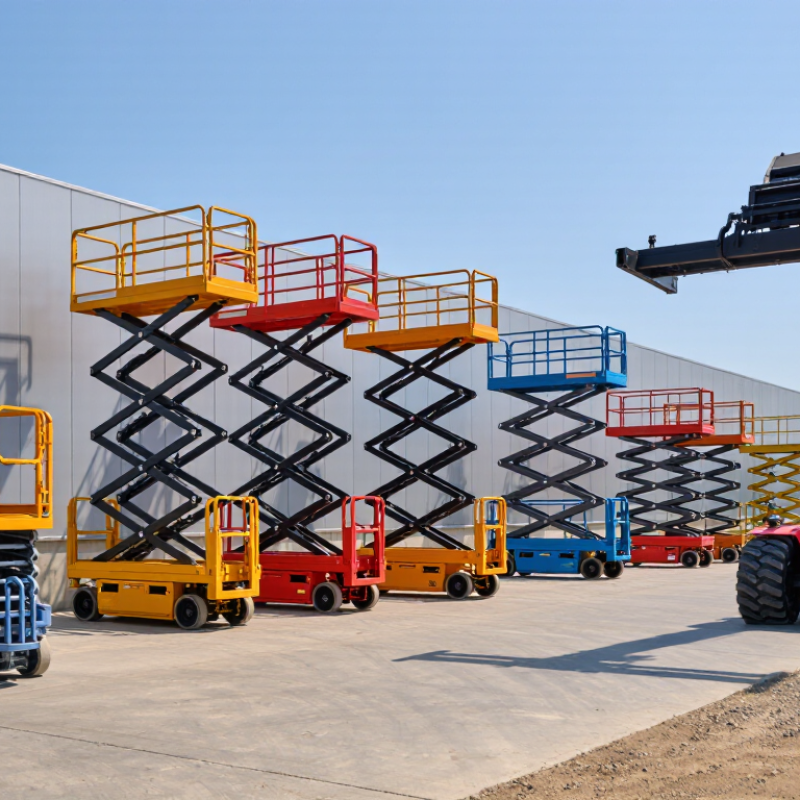
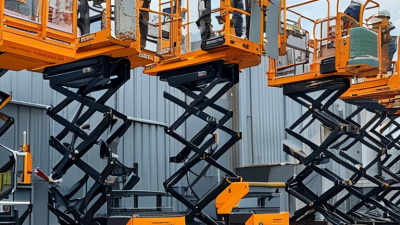
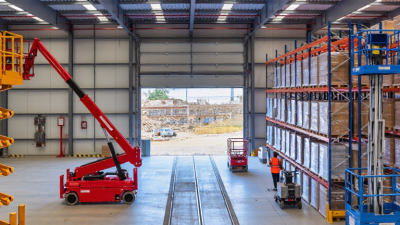
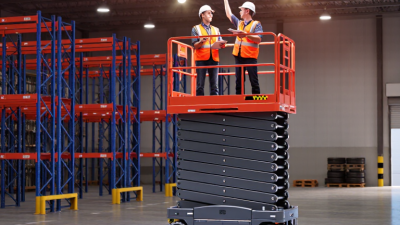
Elevated work platforms are machines designed to raise people, tools, and light materials to work areas above ground. The category includes scissor lifts, boom lifts, vertical-mast lifts, and compact push-around platforms. Each suits a different task. A scissor lift provides a broad, level deck for indoor installation, while a boom lift can reach over obstacles such as pipes or shelving. Height alone is not enough; operators should also consider outreach, platform capacity, floor conditions, and available clearance.
Industry terms can vary between suppliers and regions. “MEWP” commonly means mobile elevating work platform, while “EWP” is often used more broadly for elevated work platform. Working height usually refers to the estimated reach of a person standing on the platform, not the platform-floor height. That distinction can be easy to miss. Check the product specifications and measurement method before comparing models. Also confirm whether the unit is intended for indoor use, outdoor use, or both.
Tips: Measure the access route, doorway width, and overhead obstructions before selection. Check rated capacity against the combined weight of workers, tools, and materials. A practical detail matters: uneven floors can affect stability, even when the platform appears small. Terms are not always perfectly consistent, so verify them with the equipment documentation.
For outdoor-rated mobile elevating work platforms, 12.5 m/s is an important EN 280 wind-speed reference, roughly 45 km/h. It is not a universal permission to work in any machine outdoors. The platform’s rating plate and operating manual must confirm its permitted wind conditions. Indoor-only models may have no outdoor wind allowance. Check before lifting.
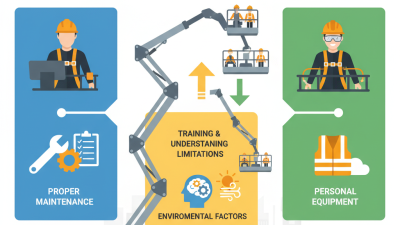
Wind feels stronger at height, and gusts can change quickly around buildings. A wide panel, insulation board, or even a loose sheet can catch the air and affect stability. Operators should consider the actual machine configuration, platform load, and local conditions, not just a ground-level weather report. Stop and lower the platform if conditions exceed the machine’s limit.
Simple, but easy to overlook. When comparing elevated work platform manufacturers in China, buyers can ask for clear wind-rating documentation and evidence that the declared configuration was assessed. Paperwork helps; it cannot predict every gust on a crowded site.
A checklist can still miss the moment the weather turns.
Comparing Chinese manufacturers means looking beyond maximum reach. Platform height and working height are not interchangeable: working height usually includes an operator’s reach, so check each specification sheet carefully. Scissor lifts often offer broad decks for indoor installation, while boom lifts provide horizontal outreach around obstacles. A few metres of extra reach can change access, but it may also affect stability and transport needs.
Rated load matters just as much. Compare the stated capacity with the weight of workers, tools, and materials—not just one worker’s body weight. Some models have different limits when the platform is extended or occupied by multiple people. Numbers can mislead. Also compare powertrains: battery-electric machines suit many indoor sites with smooth floors, while diesel units are commonly selected for outdoor terrain and longer shifts. Hybrid options may bridge those needs, though maintenance and charging arrangements deserve a closer look.
Tips: Confirm platform height, rated load, gradeability, and power source on the same model’s current datasheet. Ask whether the load rating changes with extension. Check the machine in the conditions where it will work; a specification table cannot show every tight turn or uneven patch. I would not rank a model on reach alone. That shortcut is tempting, but incomplete.
Company profiles make a “top 10” comparison useful only when they show more than product photos. China’s elevated work platform manufacturers may focus on scissor lifts, boom lifts, or compact models for indoor maintenance. Their strengths can differ. One factory may offer broad model coverage, while another concentrates on simpler equipment for warehouses and workshops.
A practical profile should describe working height, platform capacity, power options, and intended surfaces. Look for clear specifications, readable manuals, and details about inspection and service support. A sample unit’s controls, guardrails, welds, and emergency-lowering system deserve close attention. Small details matter. A neat brochure cannot confirm how a machine performs after repeated shifts.
The strongest company profiles also explain production capability and how quality checks are recorded, without relying on vague claims. Ask whether parts are readily available and how technical questions are handled after delivery. Compare documentation, not just price. This takes time. And the ranking may shift depending on whether a buyer needs indoor access, outdoor reach, or frequent transport. A profile can guide the shortlist, but it cannot replace a site assessment or a careful equipment trial.
| No. | Elevated Work Platform Type | Typical Configuration | Common Applications | Key Selection Consideration |
|---|---|---|---|---|
| 01 | Electric scissor lift | Vertically extending platform; battery-electric drive; typically intended for firm, level surfaces. | Indoor maintenance, warehousing, and installation work. | Platform height, rated load, stowed dimensions, and indoor floor suitability. |
| 02 | Rough-terrain scissor lift | Scissor mechanism with a chassis and tires designed for selected outdoor or uneven-site conditions. | Construction, building maintenance, and outdoor installation. | Terrain limits, gradeability, ground clearance, and manufacturer-approved operating conditions. |
| 03 | Articulating boom lift | Boom with hinged sections that can position the platform around or over obstacles. | Structural work, plant maintenance, and access to obstructed work areas. | Horizontal reach, working envelope, platform capacity, and access constraints. |
| 04 | Telescopic boom lift | Extending boom designed to provide elevated outreach, generally with a relatively direct boom path. | Outdoor construction and work requiring reach across open areas. | Working height, horizontal outreach, site conditions, and permitted load at reach. |
| 05 | Vertical mast lift | Compact machine with a vertically rising mast and a small work platform. | Indoor facilities, narrow aisles, and light maintenance tasks. | Machine width, turning space, platform capacity, and floor surface. |
| 06 | Push-around personnel lift | Lightweight vertical lift that is manually positioned and commonly uses a compact footprint. | Indoor repair, inspection, and low-frequency access work. | Manual handling requirements, access width, and suitability for the intended work height. |
| 07 | Trailer-mounted boom lift | Boom lift mounted on a towable trailer; the vehicle and trailer are separate from the lifting mechanism. | Building maintenance, tree care, and work at sites needing transport between locations. | Towing compatibility, stabilizer setup area, ground conditions, and local transport rules. |
| 08 | Vehicle-mounted platform | Elevating platform installed on a road vehicle or specialized carrier. | Utility maintenance, street lighting, and mobile service work. | Vehicle configuration, working envelope, access requirements, and applicable road regulations. |
| 09 | Spider lift | Compact boom lift with outriggers; some models use tracks to travel across suitable surfaces. | Confined or access-restricted sites, atriums, and selected indoor or outdoor tasks. | Access route, outrigger footprint, ground-bearing limits, and surface protection needs. |
| 10 | Self-propelled mast boom lift | Compact self-propelled platform combining vertical access with limited boom positioning. | Indoor facilities and tasks requiring repositioning in restricted workspaces. | Machine envelope, drive conditions, platform reach, and manufacturer instructions. |
This table compares common elevated work platform categories, not individual companies or a verified manufacturer ranking. Equipment specifications and operating limits vary by model; confirm them using the relevant manufacturer's datasheet and operating manual.
A useful comparison of China’s ten leading elevated work platform manufacturers begins with the equipment mix. Some offer compact scissor lifts for indoor maintenance, while others cover boom lifts, mast lifts, and rough-terrain machines. Check platform height, rated capacity, turning radius, and power options against real job-site needs. A larger catalogue is not automatically a better fit. That matters.
Export experience deserves equal attention. Ask which regions a manufacturer regularly serves and whether its manuals, parts lists, and operator materials are available in your working language. Export records can indicate familiarity with varied climates and shipping requirements, but they do not prove that every model suits every market. Request model-specific specifications and references where possible. Details matter.
After-sales support often separates a workable purchase from a costly delay. Ask how quickly common parts, such as switches, wheels, or hydraulic hoses, can be dispatched. Clarify warranty coverage, technician training, remote troubleshooting, and the location of service partners. A promise of global support sounds reassuring, yet the practical test is whether someone can help when a lift stops on a Tuesday morning. I would also compare response times in writing; this step is easy to miss, even for experienced buyers.