Best Mobile Aerial Work Platform for Your Business Needs?
Choosing the right Mobile Aerial Work Platform (MAWP) can significantly impact your business operations. These versatile machines elevate workers to perform tasks at heights safely and efficiently. However, selecting the best option is not always straightforward.
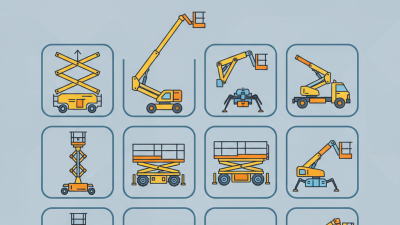
Consider your specific needs, work environment, and budget constraints. Various MAWP types exist, from scissor lifts to boom lifts, each with unique features. Some platforms offer greater reach or weight capacity than others. Understanding these differences is crucial for effective decision-making.
As businesses grow, so do their challenges. Relying on outdated equipment can hinder productivity. Investing in a quality Mobile Aerial Work Platform enhances safety and workflow. It's worth reflecting on how well your current equipment meets evolving demands. Selecting the appropriate MAWP can lead to improved efficiency and success in your operations.
Best Mobile Aerial Work Platforms: Overview of Types and Uses
Mobile aerial work platforms (MAWPs) are crucial tools for various industries. They enhance safety and efficiency in tasks like construction and maintenance. According to a report from the International Powered Access Federation (IPAF), the market for MAWPs is expected to grow significantly, driven by increased demand in construction and industrial sectors.
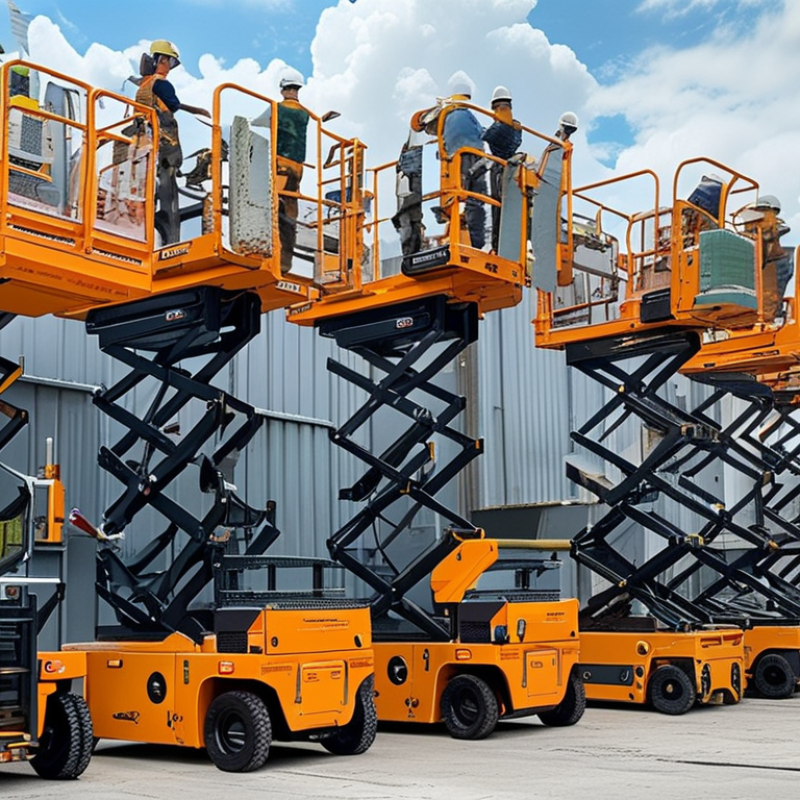
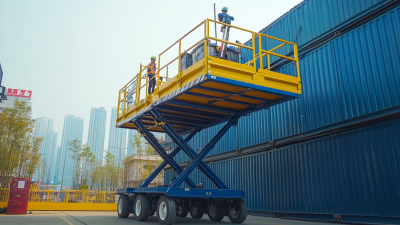
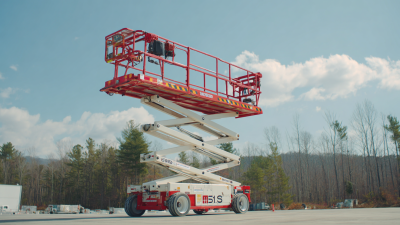
There are several types of MAWPs available. Scissor lifts are popular for indoor tasks, providing a stable base and vertical reach. Boom lifts offer flexibility and outreach, making them suitable for outdoor projects. Each type serves different needs, and it is essential to choose wisely. For example, scissor lifts typically have a working height of up to 60 feet. In contrast, certain boom lifts can exceed 100 feet, providing access to hard-to-reach areas.
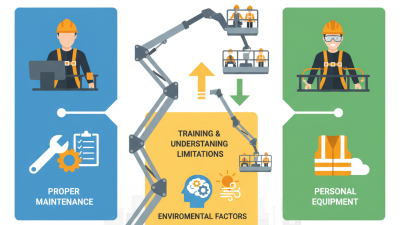
However, not all MAWPs are created equal. Operational limitations include weight capacities and terrain suitability. Improper use can lead to accidents. A safety report showed that inadequate training contributes to a significant number of MAWP-related injuries. Businesses must invest in employee training and equipment selection to mitigate these risks effectively.
Key Specifications to Consider When Selecting a Platform
When selecting a mobile aerial work platform, key specifications matter significantly. Understanding the height capacity is essential. Platforms vary widely, capable of reaching 10 to over 40 feet. Consider your project's needs. You may need something compact for indoor work or taller options for outdoor construction.
Weight capacity is another critical factor. It typically ranges from 500 to over 1,000 pounds. This determines how many workers and tools can be safely on board. Don’t overlook stability. Platforms should offer a solid base to prevent tipping. Look for models with outriggers or stabilizers if your work demands extra security.
Battery life and charge time are also important. Some platforms can work longer than others before needing a recharge. Assess how often you will use it. If the platform is frequently in use, longer operational times can be invaluable. Lastly, consider ease of transport. Some models fold for easy movement. Always weigh your specific needs against these specifications to find the right fit.
Best Mobile Aerial Work Platform for Your Business Needs
Industry Standards and Safety Regulations for Aerial Work Platforms
When choosing a mobile aerial work platform, understanding industry standards is crucial. Various organizations set benchmarks for safety and performance. These standards ensure that equipment meets specific safety criteria, protecting workers and businesses alike. Compliance with these regulations can enhance workplace morale and efficiency.
Safety regulations encompass several aspects, including load capacity and operator training. For example, platforms should clearly display load limits. Operators must receive adequate training to handle equipment responsibly. These factors significantly reduce the risk of accidents. However, not all companies prioritize these essential elements, sometimes leading to serious incidents.
Reflecting on past incidents can foster a culture of safety. Companies should regularly review their safety practices and equipment. Gathering feedback from operators can reveal areas needing improvement. Utilizing this information ensures ongoing compliance and enhances overall safety culture within the organization. Being proactive in adhering to industry standards can ultimately safeguard both employees and business reputation.
Cost Analysis: Investment vs. Long-Term Benefits of Aerial Work Platforms
Investing in an aerial work platform can be a game-changer for many businesses. However, understanding the cost versus long-term benefits is crucial. Aerial work platforms enhance safety and efficiency. They allow workers to access high areas with ease, reducing the risk of accidents. But, these benefits come at a price. Initial investment costs can be significant.
Regular maintenance is another consideration. Companies must budget for upkeep to ensure optimal performance. This adds to the total cost of ownership. On the other hand, the long-term gains can outweigh these initial expenses. Reducing labor time and increasing productivity can lead to improved profits.
It's essential to analyze your specific needs. Not every industry will benefit equally from this equipment. Businesses should reflect on their unique contexts before deciding. Sometimes, renting may be a more viable option. In the end, a careful evaluation of cost, risk, and return on investment is necessary.
Emerging Technologies in Mobile Aerial Work Platforms: Trends and Innovations
Mobile aerial work platforms (MAWPs) are evolving rapidly. The integration of emerging technologies has made them more efficient and safer for operators. According to a report by Market Research Future, the MAWP market is projected to grow at a CAGR of about 6.5% from 2022 to 2030. This growth reflects heightened demand across construction, maintenance, and logistics sectors.
One key trend is the adoption of electric-powered platforms. They are quieter, generate fewer emissions, and often have lower operating costs than traditional models. Additionally, advancements in battery technology are extending their operational time. However, the transition to electric models raises challenges. Infrastructure for charging must keep pace with this shift, ensuring that operational downtime is minimized.
Another innovation is the use of smart technology in MAWPs. Features like automated controls and telematics systems enhance safety and efficiency. These systems provide real-time data for operators, helping them make informed decisions on-site. Nevertheless, this technology can be complex, requiring training and adaptation. Employers may find it difficult to balance the learning curve with immediate productivity needs.