
2026 Best Types of Mobile Aerial Work Platforms?
Choosing the right Mobile Aerial Work Platform starts with the job, not the catalogue. A narrow warehouse aisle calls for a different machine than an uneven outdoor site. Ceiling height, floor conditions, access width, platform capacity, and travel distance all shape the decision. Small details matter. A door threshold or a crowded work zone can change which lift is practical.
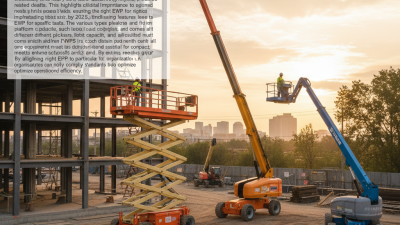
This guide compares common platform types, including scissor lifts, boom lifts, vertical mast lifts, and compact personnel lifts. It explains where each design tends to work well, what trade-offs to expect, and which specifications deserve a closer look. A scissor lift may provide a stable, roomy deck, while a boom lift can reach over obstacles. Yet reach alone is not a complete measure of suitability. The operator, tools, materials, and ground conditions also matter.
Expect practical selection points, not a universal winner. Check the manufacturer’s rated capacity, operating limits, power source, and required maintenance before choosing equipment. Follow the equipment instructions and applicable site requirements. Even experienced teams can overlook a simple constraint, such as charging access or turning clearance. That deserves a second look. The right platform is the one that safely fits the task, the work area, and the people using it.
What Defines a Mobile Aerial Work Platform in 2026
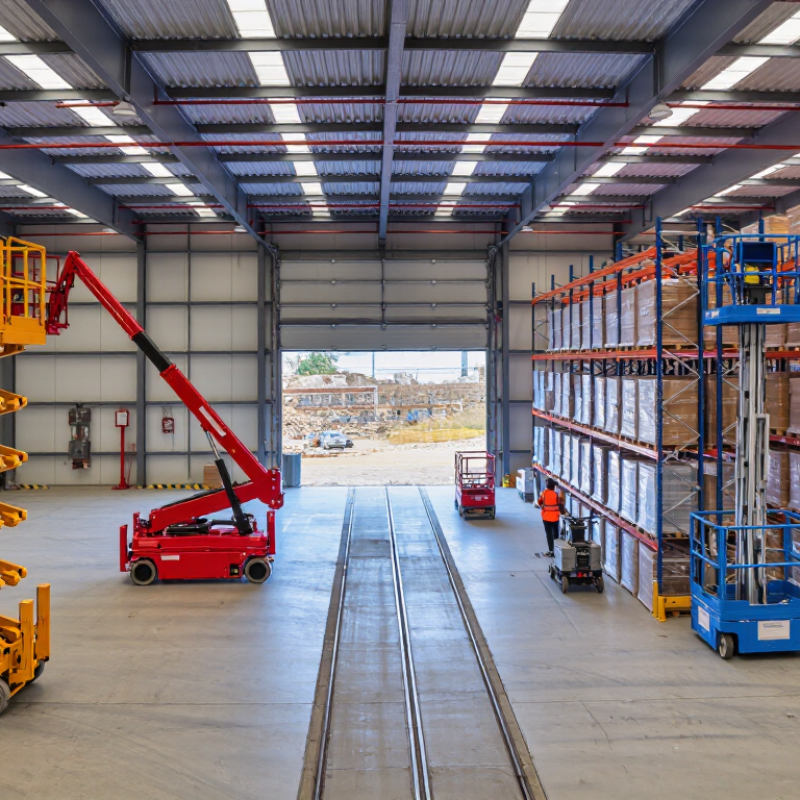
In 2026, a mobile aerial work platform is equipment that raises people and tools to an elevated work position while remaining movable between tasks. Its defining features are a guarded platform, a lifting structure, a stable chassis, and controls for both elevation and travel. Some models move under their own power; others must be repositioned by a separate vehicle. The key question is how the machine moves on the actual worksite, not just how high it reaches.
A suitable platform matches the task, surface, and working conditions. A compact unit may fit through a narrow indoor aisle, while rough-terrain equipment may handle firm, uneven ground outdoors. Check platform capacity, working height, access width, floor or ground strength, and the available turning space. Review the operator instructions and inspect tires, controls, guardrails, and emergency-lowering systems before use. Wind and overhead obstacles matter, too. A digital display can help, but it cannot judge a soft patch of soil. That part still needs careful human assessment.
Tips: Walk the route before moving the platform. Look for floor openings, slopes, cables, and overhead obstructions. Confirm the load includes workers, tools, and materials. If the ground feels uncertain, pause and reassess; a rushed setup can make an otherwise capable machine unsuitable.
2026 Best Types of Mobile Aerial Work Platforms? - What Defines a Mobile Aerial Work Platform in 2026
| Platform Type | How It Provides Access | Typical Mobility | Common Uses | Key Selection Considerations | Common MEWP Classification |
|---|---|---|---|---|---|
| Scissor lift | A platform rises vertically on a folding, crossed-support mechanism. | Many models are self-propelled; compact versions are intended for indoor floors, while rough-terrain models are designed for suitable outdoor surfaces. | Overhead installation, maintenance, construction, and work requiring a relatively spacious platform. | Primarily provides vertical access rather than outreach around obstacles. Check platform capacity, floor loading, surface slope, and indoor or outdoor rating. | Often Group A; many self-propelled models are Type 3. Classification depends on design and the applicable standard. |
| Vertical mast lift | A compact platform is raised by a vertical mast; some designs include limited outreach. | May be manually moved, pushed, or self-propelled, depending on the model; generally suited to firm, level surfaces. | Indoor facility maintenance, aisle work, and access in confined areas. | Small footprints can help in restricted spaces, but platform capacity and available working reach are typically more limited than on larger lifts. | Often Group A; type varies with whether and how the unit can travel while elevated. |
| Articulating boom lift | Multiple pivoting boom sections let the platform reach up and over obstacles. | Commonly self-propelled; indoor and outdoor configurations are available, with surface suitability depending on the machine. | Maintenance and construction where access is obstructed by equipment, structures, or other obstacles. | Compare horizontal outreach, working height, platform capacity, machine footprint, and permitted operating conditions. Boom movement does not remove the need to assess hazards and clearances. | Typically Group B; many self-propelled models are Type 3. Verify the unit's markings and applicable standard. |
| Telescopic boom lift | A straight, extending boom provides elevated access with substantial horizontal reach. | Usually self-propelled; rough-terrain models are designed for appropriate outdoor job sites. | Exterior construction, structural work, and tasks needing direct access over a longer distance. | Check the load chart and operating envelope, ground conditions, wind limits, and required clearances. A longer reach does not necessarily mean greater platform capacity. | Typically Group B; many self-propelled models are Type 3. Classification varies by configuration and standard. |
| Trailer-mounted boom lift | A boom mounted on a towable chassis raises a platform; stabilizers are commonly deployed before operation. | Towed between locations and generally set up for work while stationary; it is not typically driven around the site with the platform elevated. | Building maintenance, tree care, and intermittent access at sites where towing access is available. | Confirm towing compatibility, setup space, stabilizer support, ground bearing conditions, and the required working envelope. | Often Group B, Type 1 when travel is restricted to the stowed position; check the manufacturer's classification. |
| Vehicle-mounted platform | A boom or elevating platform is mounted on a road vehicle or other carrier. | The carrier travels between work locations; the platform is normally operated after the vehicle is positioned and stabilized as required. | Utilities, road and lighting maintenance, and work spread across multiple locations. | Consider road access, vehicle setup, stabilizer footprint, overhead hazards, traffic control, and site-specific ground conditions. | Often Group B, Type 1 when travel is limited to the stowed position; classification depends on design and standard. |
| What defines a mobile aerial work platform? | A mobile elevating work platform (MEWP) is equipment intended to move people, tools, and materials to a working position at height. Mobility may mean the unit can be repositioned by hand, towed, carried on a vehicle, or driven under its own power. The exact definition and classification depend on the applicable regional standard and the machine's design. Select and operate a platform according to its instructions, rated capacity, worksite conditions, and local safety requirements. | ||||
Note: Group and Type labels are used in MEWP standards, but classifications can differ by design and jurisdiction. Consult the machine's identification plate, operator manual, and applicable local regulations before use.
Related Posts
-

What is Mobile Aerial Platform and How to Choose the Right One?
-
Best Mobile Aerial Work Platform for Your Business Needs?
-

Exploring Unique Alternatives to Mobile Elevated Platforms for Enhanced Productivity
-
Essential Tips for Safe Use of Elevated Work Platforms in Construction
-
10 Mobile Elevated Platform Buying Tips for Global Buyers
-
2025 How to Choose the Right Elevated Work Platform for Your Needs