Buying equipment across borders requires more than comparing platform height and price. This guide examines the Top 10 Raised Work Platforms for Global Buyers through practical purchasing criteria. These include working height, platform capacity, footprint, power source, mobility, and maintenance access. Each detail affects daily productivity. A platform may fit a warehouse perfectly yet perform poorly on uneven outdoor surfaces. Another may offer impressive lifting height but require costly freight preparation.
The selection also considers operator protection, emergency lowering, guardrail design, battery performance, and replacement-part availability. Safety comes first. Buyers should verify applicable local standards, inspection requirements, and training obligations before placing an order. Product claims should be supported by technical manuals, test records, warranty terms, and clear manufacturer contact details. Those documents often reveal more than polished photographs. Details matter. Real purchasing experience shows that after-sales support can determine whether a platform remains useful after installation. Some models look economical until shipping, spare parts, and service response times are included. That is an important limitation in many online comparisons. Therefore, this guide does not treat one platform as ideal for every market. Instead, it provides a realistic framework for comparing leading options across construction sites, warehouses, factories, maintenance teams, and rental fleets. Readers can use the findings to question supplier claims, identify operational risks, and choose equipment that matches local working conditions. A careful decision may cost more initially, but it can reduce downtime, repair delays, and unsafe improvisation.
Top 10 Raised Work Platforms for Global Buyers?
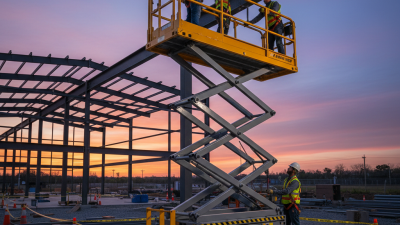
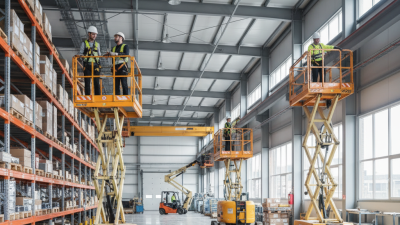
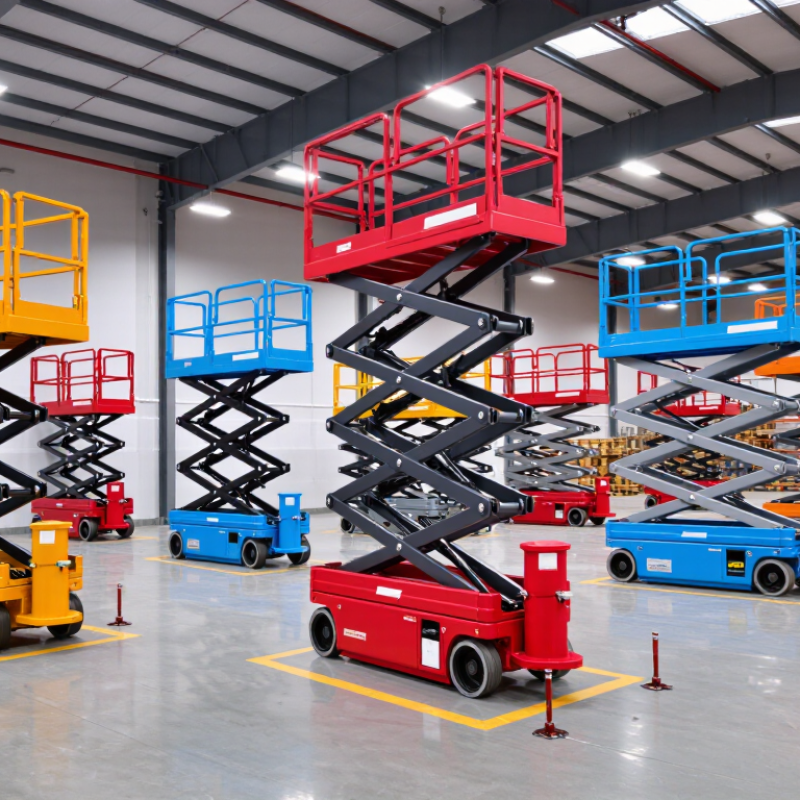
Raised work platforms serve different access problems, and category choice affects safety, productivity, and transport costs. Scissor lifts move vertically on a stable platform, making them practical for ceiling installation, warehouse maintenance, and indoor construction. They offer generous deck space but limited horizontal reach. Boom lifts use telescopic or articulated arms to reach over machinery, racks, and obstacles. Their flexibility is valuable outdoors, although operators must assess wind, ground firmness, and overhead hazards.
Mast lifts suit narrow aisles and tasks requiring modest height with precise positioning. Vertical lifts are compact for retail, facility maintenance, and low-level electrical work. Personnel lifts often provide simple, lightweight access for one worker and small tools. They can reduce setup time, but their smaller platforms may restrict movement. I have found that buyers sometimes focus on maximum height first. That approach can create problems. Working height, rated load, platform dimensions, turning radius, battery endurance, and surface conditions deserve equal attention. A unit that looks efficient on paper may struggle on uneven concrete or in a crowded aisle. Verify local certification, emergency lowering systems, operator controls, and spare-part support before purchasing. Specifications are useful, but real site measurements remain more reliable.
Representative working-height ranges by platform type. Actual specifications vary by configuration, terrain rating, outreach, and load capacity.
Telescopic and articulating boom platforms provide the greatest access height, while scissor, mast, vertical, and personnel lifts are commonly selected for stable vertical access in construction, maintenance, warehousing, and facility operations. Working height generally includes the platform elevation plus an operator reach allowance of approximately 2 metres.
Top 10 Raised Work Platforms for Global Buyers?
Raised work platforms between 6 and 18 metres cover warehouses, façades, utilities, and industrial maintenance. Capacity usually ranges from 200 to 450 kilograms, including workers, tools, and materials. A 200-kilogram limit can become restrictive quickly. Two technicians and a compact tool case may already exceed it.
Reach deserves equal attention. Vertical lifts suit narrow aisles, while articulated and telescopic platforms provide horizontal outreach around obstacles. Buyers should compare maximum working height, platform height, outreach, stowed width, turning radius, and ground clearance. These figures affect real productivity more than headline height. The 2024 IPAF Global Safety Report recorded 118 powered-access fatalities in 2023, reinforcing the need for trained operators, daily inspections, and documented rescue plans.
Energy choice also matters. Battery platforms reduce indoor emissions, but cold conditions and long shifts can reduce operating time. Rough-terrain models offer stronger clearance and traction, yet they may demand wider access routes. Global market research published by Grand View Research estimated the aerial work platform market at about USD 9.6 billion in 2023, with continued growth expected through 2030. That forecast supports wider adoption, but it does not remove site-specific risks. A simple ranking can mislead. The best 6–18 metre platform depends on load distribution, outreach, floor strength, wind exposure, and local safety requirements.
Key Specifications: 6–18 m Working Heights, 200–450 kg Capacities, and Reach
| Rank | Platform Type | Typical Working Height | Platform Capacity | Horizontal Reach | Platform Size | Drive / Steering | Typical Gradeability | Best-Fit Applications |
|---|---|---|---|---|---|---|---|---|
| 1 | Electric Scissor Lift Indoor / low-noise access |
8–10 m | 230–450 kg | 0.9–1.5 m deck extension | 1.0 × 2.3 m to 1.2 × 2.4 m | 2WD; front-wheel steering | 25–30% | Warehouses, malls, factories, electrical installation |
| 2 | Rough-Terrain Scissor Lift Outdoor construction access |
12–18 m | 365–450 kg | 1.5–1.8 m deck extension | 1.8 × 3.9 m to 2.0 × 4.1 m | 4WD; 4-wheel steering on larger units | 30–40% | Steel erection, façades, infrastructure, civil works |
| 3 | Telescopic Boom Lift Long horizontal outreach |
14–18 m | 230–250 kg | 10–12 m | 0.76 × 1.83 m to 0.91 × 2.44 m | 4WD; 2-wheel or 4-wheel steering | 30–45% | Bridges, façades, roofing, utility maintenance |
| 4 | Articulating Boom Lift Obstacle-clearing access |
12–16 m | 200–230 kg | 6.5–8.5 m | 0.76 × 1.22 m to 0.76 × 1.52 m | 4WD; 4-wheel steering commonly available | 30–40% | Tree care, plant maintenance, building services, aviation |
| 5 | Compact Crawler Lift Low-ground-pressure access |
12–18 m | 200–250 kg | 6–8 m | 0.69 × 1.20 m to 0.80 × 1.40 m | Rubber tracks; independent stabilizers | 20–30% travel slope | Historic buildings, landscaping, atriums, uneven ground |
| 6 | Vertical Mast Lift Narrow-aisle positioning |
6–10 m | 200–250 kg | 0.5–1.0 m platform extension | 0.70 × 0.90 m to 0.80 × 1.20 m | Electric; 2WD or push-around | 15–25% | Retail, inventory control, lighting, indoor maintenance |
| 7 | Push-Around Personnel Lift Portable single-person access |
6–8 m | 150–200 kg | 0.4–0.8 m platform extension | 0.60 × 0.70 m to 0.75 × 0.90 m | Manual positioning; electric lift | Not intended for rough terrain | Hotels, offices, schools, indoor service work |
| 8 | Self-Propelled Mast Boom Compact outreach platform |
8–12 m | 200–250 kg | 3–5 m | 0.70 × 0.90 m to 0.80 × 1.00 m | Electric; zero or tight turning radius | 20–25% | Aisle access, facility maintenance, signage, installation |
| 9 | Trailer-Mounted Boom Lift Transportable rental equipment |
10–18 m | 200–250 kg | 6–10 m | 0.70 × 1.20 m to 0.80 × 1.40 m | Towed chassis; hydraulic outriggers | Stabilizer-based operation | Event production, landscaping, construction, maintenance |
| 10 | Hybrid Rough-Terrain Boom Lift Outdoor reach with lower emissions |
14–18 m | 230–300 kg | 7–10 m | 0.76 × 1.52 m to 0.91 × 1.83 m | 4WD; 4-wheel steering; hybrid powertrain | 30–40% | Urban construction, infrastructure, industrial maintenance |
Safety compliance should guide every raised work platform purchase. ANSI A92 standards address design, safe use, inspection, and operator training in North America. EN 280 covers mobile elevating work platforms placed on the European market. OSHA 1926.453 adds workplace rules for aerial lifts, including authorized operation, daily inspections, fall protection, and stable positioning. These frameworks overlap, but they are not interchangeable.
Check the platform’s rated load, wind limit, emergency lowering system, guardrails, and ground-pressure data. Ask for current test reports, manuals, inspection records, and training evidence. A certificate alone is not enough. The platform must match the worksite, operator competence, and local enforcement requirements.
Small details matter. For example, uneven concrete can affect leveling, while a narrow gate may restrict access.
Field inspections often reveal rushed pre-use checks and missing rescue plans. That weakness deserves attention. Buyers should confirm that controls are clearly labeled and that emergency procedures are practical, not merely written. Consider cold weather, outdoor wind, battery charging, and transport conditions before comparing the top ten options. Standards also change, and documents may lag behind updated requirements. Independent verification from a qualified safety professional can prevent expensive mistakes, although it cannot replace proper site supervision.
Choosing a raised work platform requires more than comparing maximum height. The right machine must match weight, access conditions, power supply, and daily work patterns.
Top 10 Raised Work Platforms for Global Buyers?
Global Buyer Scorecard: Cost, Rental Utilization, Service, and ROI Metrics
A reliable buying decision starts with total cost, not the purchase price. Include transport, setup, operator training, inspections, batteries, tires, and scheduled maintenance. A platform costing less upfront may create higher downtime costs later. Ask for service intervals and realistic replacement-part prices.
Rental utilization deserves careful measurement. Track billed hours against available hours each month. Many fleet managers target 65% to 75% utilization, but local demand can change quickly. Construction seasons, warehouse activity, and regional weather all affect returns. A platform sitting unused is still consuming capital. That hurts.
Service quality can decide the investment outcome. Check technician coverage, response times, spare-part access, and remote troubleshooting support. Request documented service records from sellers and rental partners. The best equipment still loses value when repairs wait three weeks. That risk is easy to underestimate.
For ROI, compare monthly rental income with depreciation, financing, maintenance, insurance, storage, and transport. Use conservative utilization assumptions. Optimistic forecasts look attractive, but they often hide seasonal gaps. A practical scorecard should rank safety features, platform reach, load capacity, energy use, and resale potential. It should also record uncertainty. No scorecard is perfect. Recheck the numbers after six months of actual operation.