Top 10 Benefits of Raised Work Platforms for Your Business?

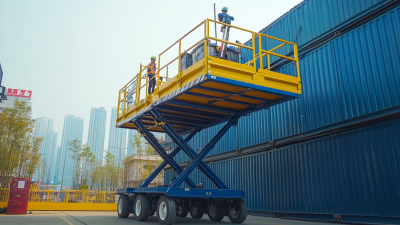
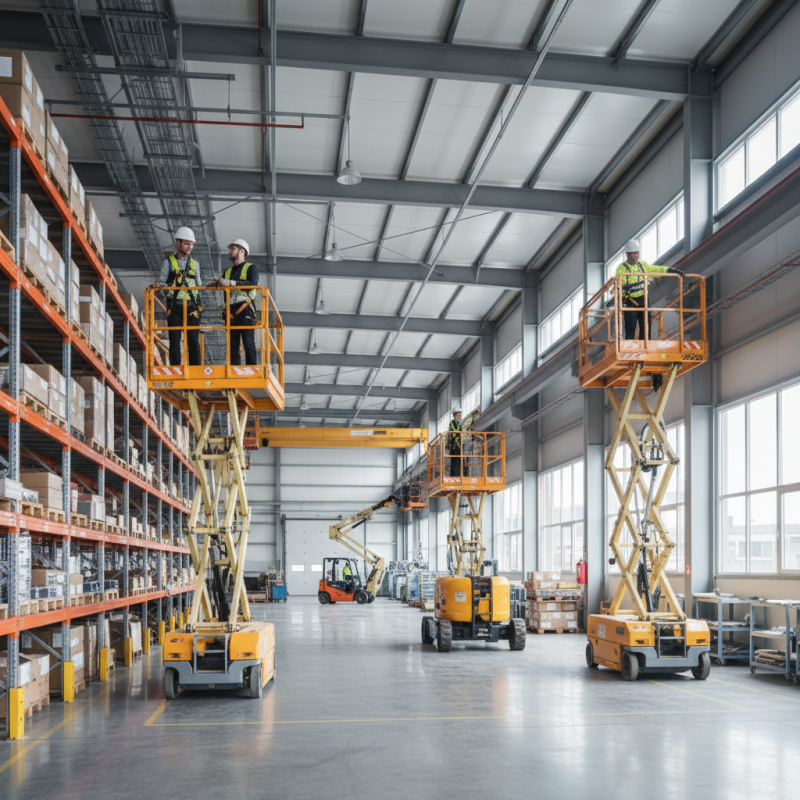
In today’s fast-paced business environment, efficiency and safety are paramount. Raised Work Platforms have emerged as essential tools for various industries, enabling workers to reach heights and complete tasks with ease. Notably, industry expert Sarah Johnson, a leading safety consultant, emphasizes, “Utilizing Raised Work Platforms not only increases productivity but also ensures worker safety.”

One significant advantage of Raised Work Platforms is their ability to enhance accessibility. Workers can navigate high spaces without the risk of falls. This shift can lead to a marked decrease in workplace injuries. Increased safety translates to fewer disruptions, ultimately benefiting the bottom line. However, not all platforms are created equal. Businesses must consider their specific needs.

Maintenance is another area that can be overlooked. Regular checks ensure platforms are in optimal condition. Neglecting this could lead to safety hazards. While investing in Raised Work Platforms may seem daunting, the long-term benefits far outweigh the initial costs. Striking a balance between investment and operational safety is crucial for fostering a productive work environment.
Top 10 Benefits of Raised Work Platforms for Your Business?

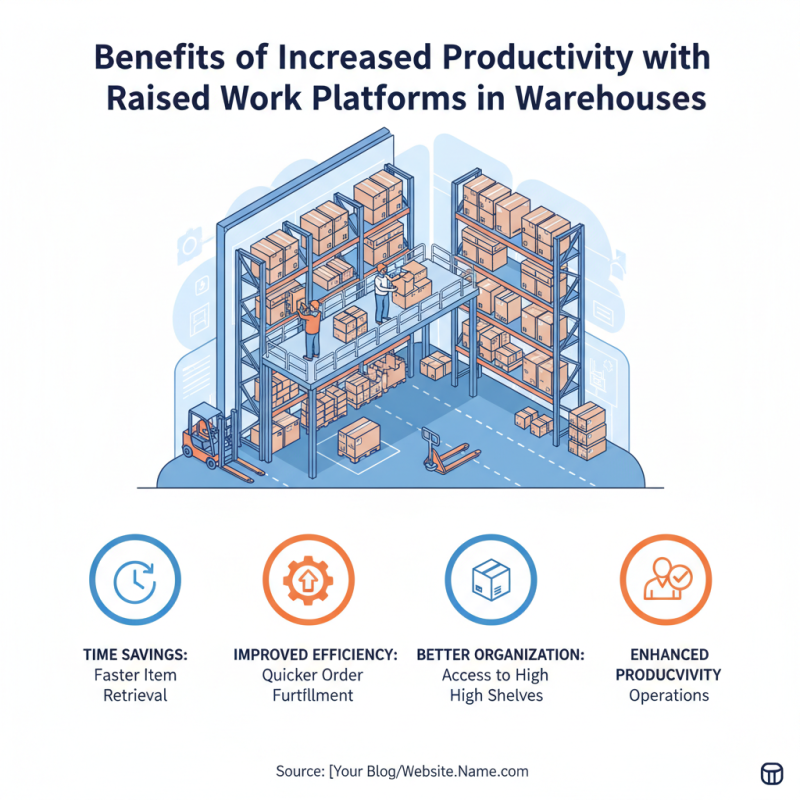
Benefits of Increased Productivity with Raised Work Platforms in Warehouses
Top 10 Benefits of Raised Work Platforms for Your Business?

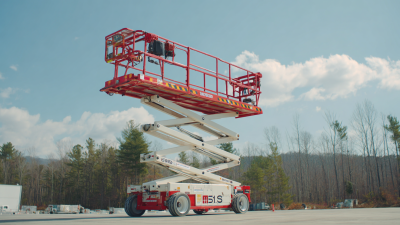
Raised work platforms are game changers in warehouse environments. These structures allow easy access to high shelves. This can significantly reduce time spent searching for items. Workers can quickly retrieve stock and fulfill orders. The design promotes better organization and efficiency within the space.

Tips: Ensure safety protocols are in place. Regular training on platform use is essential. This helps prevent accidents and boosts confidence among workers.

Utilizing raised platforms enhances productivity. Workers can reach heights with ease, minimizing strain on their bodies. This can lead to fewer workplace injuries. Furthermore, improved accessibility means tasks are completed faster. However, improper setup can create hazards. Evaluate your workspace before installation to avoid issues.

Tips: Measure your warehouse height carefully. Choose platforms that fit your specific needs. Regularly inspect your equipment to maintain safety and reliability.
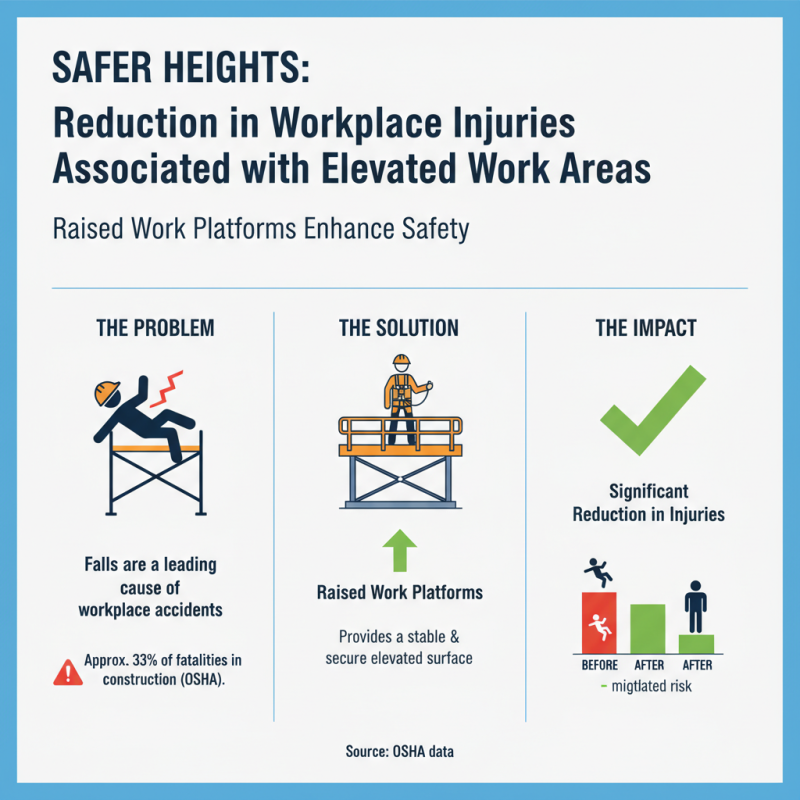
Reduction in Workplace Injuries Associated with Elevated Work Areas

Top 10 Benefits of Raised Work Platforms for Your Business?

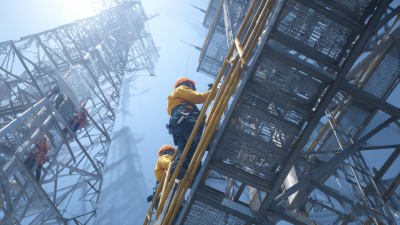
The use of raised work platforms can significantly reduce workplace injuries associated with elevated work areas. According to the Occupational Safety and Health Administration (OSHA), falls are among the leading causes of workplace accidents, accounting for approximately 33% of fatalities in the construction industry. Implementing raised work platforms provides a stable and safe elevated surface, which can help mitigate the risk of these falls.

In a study by the National Institute for Occupational Safety and Health (NIOSH), organizations that utilized raised work platforms reported a 40% decrease in injury rates related to falls. Safe work platforms facilitate better ergonomics, allowing workers to maintain a secure footing. Workers are less likely to stretch, lean, or balance precariously, which often leads to accidents. Each incident can result in costly medical expenses and decreased productivity.

Despite these benefits, proper training and maintenance of raised work platforms are essential. Neglecting to train employees on safe use can lead to misuse and accidents. Companies must regularly inspect equipment to ensure safety. Ensuring that all employees understand the potential hazards can create a more secure work environment. Balancing the benefits of raised work platforms with the need for ongoing safety measures is crucial for any business.

Cost Efficiency of Raised Platforms: Space Optimization and Labor Savings

Raised work platforms offer significant cost efficiency for businesses by optimizing space and reducing labor expenses. According to industry reports, effective use of vertical space can lead to a 35% reduction in footprint. This means more product can fit in less space. Many warehouses struggle with space constraints. Raised platforms alleviate this issue by providing additional levels for storage or workspace.

Labor savings also play a crucial role. A study by the Material Handling Industry of America found that integrating raised platforms can lead to a 25% boost in worker productivity. Workers can access goods without excessive movement and strain. This setup not only cuts down on time wasted but also enhances employee safety. However, transitioning to a raised platform system requires upfront investment and planning. Some businesses may find the initial costs daunting. Yet, the long-term benefits often outweigh these short-term concerns.

Many companies underestimate the importance of proper installation and maintenance. Poorly designed platforms can lead to operational issues. Ensuring that platforms meet safety standards is crucial. Investing in training for staff can also improve efficiency. Proper training ensures workers are aware of best practices and potential hazards. This addresses the human factor in achieving maximum efficiency. Workers need to feel confident in their environment.

Top 10 Benefits of Raised Work Platforms for Your Business

Enhanced Ergonomics: Improving Worker Comfort and Reducing Fatigue

Enhanced ergonomics in the workplace can significantly improve worker comfort and reduce fatigue. Raised work platforms are an effective solution. According to the Bureau of Labor Statistics, ergonomic injuries account for over $20 billion annually in worker compensation claims. By elevating work surfaces, these platforms help minimize repetitive strain injuries. Workers can maintain better posture, reducing the risk of back and neck pain.

Research indicates that proper ergonomic practices can boost productivity by up to 25%. Laboratories and factories that implemented raised work platforms reported a notable decrease in worker fatigue. Employees can easily reach tools and materials without excessive bending or stretching. As a result, they experience less discomfort during long shifts.

However, not all raised platforms are designed equally. Some may lack the necessary adjustments for various worker heights. Adjustability is crucial for meeting diverse worker needs. Employers should prioritize features that allow easy modification. Continuous evaluation of the platform's effectiveness can further enhance worker comfort. Enhanced ergonomic solutions are beneficial but require thoughtful implementation and ongoing assessment.

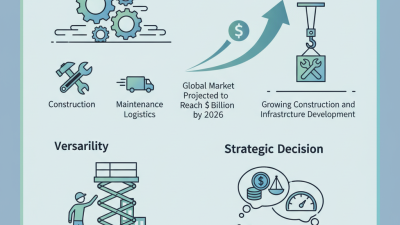
Versatility of Raised Platforms: Applications Across Multiple Industries

Raised work platforms offer remarkable versatility, making them indispensable across various industries. In warehouses, operators use these platforms for high shelving access. They ensure safety while maximizing storage. This access reduces time spent searching for inventory, leading to increased productivity.

In the construction industry, raised platforms are equally beneficial. Workers can efficiently install structural components at various heights. They provide a stable work surface that enhances worker safety. However, the challenge lies in ensuring proper training. Improper use can lead to accidents and inefficiencies.

Additionally, in retail and exhibitions, these platforms serve as stages for product displays. They help showcase merchandise effectively, attracting customer attention. Nonetheless, businesses must assess the space available before installation. A poorly placed platform can obstruct foot traffic, diminishing effectiveness. Adopting raised work platforms may seem ideal, but they require careful planning and execution to truly benefit every sector.

Top 10 Benefits of Raised Work Platforms for Your Business

Benefit Description Applications Industry
Increased Safety Provides a stable platform to reduce the risk of falls. Maintenance, Warehousing Construction, Logistics
Enhanced Productivity Allows workers to access high areas easily, improving efficiency. Assembly Lines, Retail Manufacturing, Distribution
Versatile Use Can be used for various tasks, from lifting materials to workers. Construction, Events Hospitality, Entertainment
Space Efficiency Maximizes vertical space, allowing for better organization. Warehousing, Retail E-commerce, Supply Chain
Customizable Options Can be tailored to fulfill specific business needs. Custom Builds, Events Construction, Event Planning
Time Savings Reduces time spent on setups and takedowns. Installation, Maintenance Facility Management, Events
Improved Access Easier access to overhead areas for maintenance and repairs. Repairs, Inspections Manufacturing, Utilities
Durability Built to withstand rigorous use in demanding environments. Heavy-Duty Tasks Construction, Warehousing
Cost-Efficiency Reduces labor costs by streamlining processes. Logistics, Operations Retail, Distribution
Aesthetic Appeal Can enhance the look of a workspace when properly integrated. Events, Showrooms Retail, Event Planning