Work at height turns a simple task into a serious access decision. A technician may need to replace a light, inspect ductwork, or reach stock above a busy floor. Each movement matters. The Health and Safety Executive’s Work-Related Fatal Injuries in Great Britain, 2023/24 report identifies falls from height as a leading cause of worker deaths. Similar concerns appear in OSHA’s Fall Protection resources and NIOSH guidance on preventing falls from ladders and elevated surfaces. These reports point to a practical lesson: stable access equipment can reduce unnecessary climbing, stretching, and repositioning.
Raised Work Platforms provide a broader standing surface than many ladders. Guardrails can help keep the operator inside the working area. Locking casters and adjustable designs may improve stability on suitable floors. The right platform also places tools closer to hand, reducing awkward reaches. Small details matter. A loose wheel can change the risk. So can a careless setup. Operators still need training, pre-use inspections, weight-limit checks, and clear floor conditions. No platform is a magic shield. That is where real experience challenges simple marketing claims.
When selected for the task and used according to manufacturer instructions, Raised Work Platforms can support safer, more controlled access. The best choice depends on height, load, mobility, surface condition, and task duration. ISO 16368, Mobile elevating work platforms—Design calculations, safety requirements and test methods, also reinforces the importance of engineered safety controls. Reliable access begins with evidence, not guesswork.
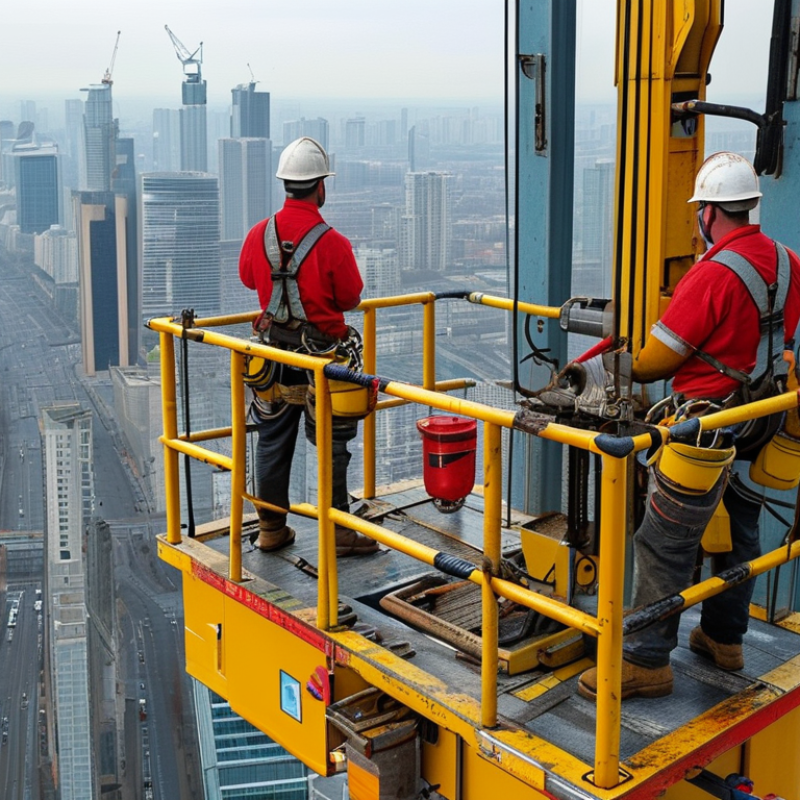
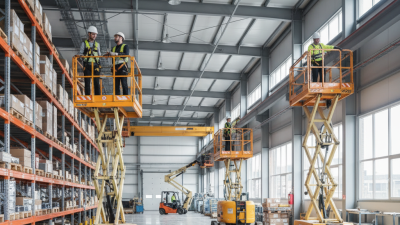
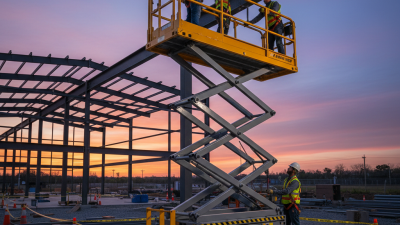
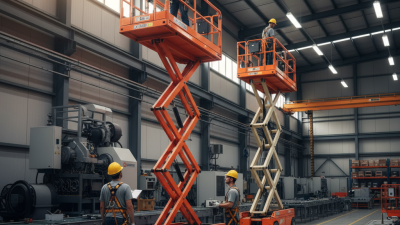
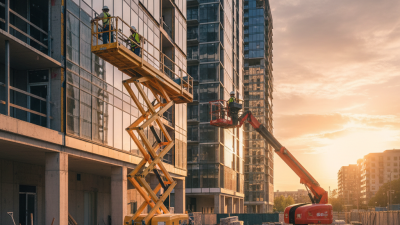
Raised work platforms are machines designed to lift workers and tools to elevated positions. They provide a wider, more stable work area than a ladder. Common designs include vertical lifts, scissor platforms, and boom platforms. Each uses a powered lifting system, such as hydraulics or electric actuators, to raise a deck safely.
The platform usually includes guardrails, a non-slip floor, access gates, and control panels. Some models move only upward, while others extend forward or sideways. Operators can adjust the height from the deck or ground controls. Emergency lowering systems help return the platform to a safe position during power loss. The base, wheels, outriggers, and surface conditions also affect stability.
On a maintenance site, workers may carry tools, lighting parts, or inspection equipment without repeatedly climbing. This can reduce awkward movement and improve visibility around overhead structures. However, the machine is not foolproof. A trained operator must check the floor, load limit, guardrails, controls, and surrounding hazards before use. Wind and uneven ground can change the risk quickly.
A common site lesson is simple: access equipment cannot fix poor planning. Workers sometimes focus on height and overlook the travel route beneath the platform. That mistake deserves attention. Careful positioning, clear communication, and routine inspections make the equipment more reliable in real working conditions.
Raised work platforms improve workplace access safety by replacing unstable climbing with a guarded, level working surface. A trained operator can reach equipment without repeatedly stepping up and down. This matters because the U.S. Bureau of Labor Statistics recorded 865 fatal falls to a lower level in 2022, representing 20.9% of all workplace deaths. The platform is not a magic shield. Poor setup still creates danger.
Guardrails, toe boards, non-slip decking, and controlled elevation help keep workers inside a defined work area. A platform also reduces ladder overreach, twisting, and carrying tools while climbing.
In Great Britain, the Health and Safety Executive recorded 50 worker deaths from falls from height during 2023/24. That figure shows why access design deserves attention before work begins. Inspect the deck, wheels, controls, and surrounding floor. Check overhead obstructions too.
In practical use, safer access often feels uneventful. That is the point. Workers can keep both feet on the deck while positioning materials, reading instructions, or servicing lighting. Yet platform selection still requires judgment. The wrong height encourages stretching. Excessive load affects stability. Untrained use can defeat good engineering. OSHA guidance emphasizes competent planning, inspection, fall protection, and operator training. These details are easy to overlook during a rushed shift. They should not be. A short pre-use check may prevent a long recovery.
Raised work platforms make elevated tasks more controlled than improvised ladders or unstable surfaces. Their safety depends on practical features, not height alone. Full guardrails help prevent sideways falls, while toe boards stop tools from sliding onto people below. A self-closing entry gate keeps the working area enclosed. The platform deck should also provide firm, slip-resistant footing, especially when dust or light moisture is present.
Stability matters greatly. Wide bases, locking casters, and adjustable outriggers reduce unwanted movement on uneven floors. A clear load rating prevents workers from carrying excessive tools or materials. Some platforms include emergency lowering systems and approved anchor points for fall protection equipment. In real site inspections, small defects often matter. A damaged wheel lock or loose rail can change the entire risk assessment. I once overlooked a worn deck edge during a rushed check. That mistake reminded me that routine inspections need real attention, not just signatures.
Tips: Inspect rails, gates, wheels, and deck surfaces before every shift. Keep three points of contact when climbing. Place tools in secured containers, not near the platform edge. Follow the manufacturer’s instructions and local workplace requirements. Never move a raised platform unless it is designed for that purpose. Training also matters. Even strong equipment can become unsafe when workers skip a simple briefing.
Choosing a raised work platform starts with the worksite, not the equipment catalogue.
Indoor maintenance may require a compact platform with non-marking wheels and quiet movement. Outdoor construction demands stronger stability, weather resistance, and careful protection against uneven ground. Measure doorway widths, floor slopes, working height, and nearby obstacles before making a decision.
The platform must support workers, tools, and materials without exceeding its rated capacity.
Check the load chart, guardrails, access gates, emergency lowering system, and inspection records.
A narrow platform can reach restricted areas, but limited deck space may increase handling risks. A larger deck feels safer, yet it may be difficult to position in crowded aisles. This trade-off is easy to underestimate.
A practical site review should include the actual floor surface, not only a written plan. Dust, moisture, and small gaps can change performance.
Tips:
Site teams sometimes rush this step, especially during schedule pressure. That is where small mistakes grow.
When conditions change, pause and reassess the platform’s stability, reach, and remaining capacity.
Raised work platforms can create a stable route to elevated tasks, but safe access depends on disciplined routines. OSHA recorded 395 construction fall fatalities in 2022, representing about 37% of construction deaths. That figure is a warning, not a decoration for a safety poster.
Inspect the platform before every shift. Check guardrails, gates, emergency controls, tires, batteries, and visible leaks. Confirm the ground is firm and level. A small depression beside a loading area can affect stability. Read the rated capacity, including tools and materials. Never treat the platform as a lifting shortcut.
Use trained operators and keep a clear exclusion zone below. The International Powered Access Federation reported 118 MEWP-related fatalities in 2023, based on collected reports from participating countries. Falls, overturns, entrapment, and electrocution remain recurring hazards. Keep a safe distance from electrical lines, even when the task seems brief. Tie off only at approved anchor points, and do not climb on rails for extra reach. It sounds obvious.
Weather deserves attention. Wind can turn sheet materials into sails, while rain can hide slippery surfaces. Stop work when conditions exceed the equipment’s limits. Maintain communication with ground personnel, especially in noisy or congested areas. Emergency lowering procedures should be practiced, not merely signed off. A checklist helps, yet it can still miss rushed decisions, poor supervision, or an operator’s overconfidence. That uncomfortable gap deserves regular review. (Sources: OSHA construction fatality data, 2022; IPAF Global Safety Report, 2024.)
| Safety Dimension | Why Raised Work Platforms Help | Recommended Safety Practice | Verification or Acceptance Check |
|---|---|---|---|
| Stable Working Surface | A level platform provides more room for both feet and tools than a ladder rung, helping workers maintain a stable working position. | Keep the platform clean, dry, and free of loose materials. Arrange tools so they do not create trip hazards or obstruct access. | The deck is level, undamaged, slip-resistant, and free from oil, water, packaging, and debris. |
| Fall Protection | Guardrails, midrails, and toe boards help prevent falls from the platform and reduce the likelihood of tools falling to lower levels. | Use the complete edge-protection system provided for the platform. Never climb on guardrails, midrails, toe boards, or temporary objects to gain extra height. | Guardrails and toe boards are securely attached, complete, and free from deformation or missing components. |
| Access and Egress | Built-in steps, stairs, or ladders provide a designated route onto and off the work surface. | Face the access system while climbing and maintain three points of contact where applicable. Keep both hands available for climbing rather than carrying large objects. | Steps, rungs, gates, and handrails are secure, clean, and easy to use without excessive reaching or twisting. |
| Load Capacity | A rated platform allows the combined weight of workers, tools, and materials to be controlled more reliably. | Do not exceed the platform's marked safe working load. Include the weight of every person, tool, material, attachment, and stored item placed on the platform. | The load rating is legible and the planned total load remains within the stated limit. |
| Structural Condition | A sound frame, deck, and support system reduce the risk of collapse, instability, or sudden movement. | Complete a pre-use inspection at the start of each shift and after relocation, impact, modification, or exposure to severe conditions. Remove defective equipment from service. | No cracks, excessive corrosion, bent members, loose fasteners, damaged welds, or unauthorized alterations are present. |
| Stability and Positioning | A correctly positioned platform reduces tipping, sliding, and uneven-loading hazards. | Place the platform on a firm, level surface. Engage wheel brakes or stabilizers where fitted, and do not move a mobile platform while someone is on it unless it is specifically designed and approved for that operation. | The platform does not rock, roll, or shift under normal loading, and all stabilizing devices are correctly engaged. |
| Overhead and Electrical Hazards | A raised platform makes overhead services, structures, and electrical conductors easier to identify before work begins. | Survey the work area before setup. Maintain the minimum approach distance required by applicable electrical-safety rules and keep long tools and materials under control. | Overhead lines, beams, doors, sprinklers, and other obstructions are identified and controlled before use. |
| Work Environment | A platform can provide a predictable work position, but its stability may be affected by wind, rain, ice, poor lighting, or nearby traffic. | Use the platform only within the environmental limits specified for its design. Stop work when conditions make balance, visibility, traction, or stability unsafe. | Lighting, floor condition, ventilation, weather exposure, and nearby vehicle or pedestrian movement are suitable for the task. |
| Safe Tool Handling | The larger deck area can reduce excessive reaching and help keep tools within a controlled work zone. | Position the platform close enough to avoid leaning outside the guardrails. Use tool lanyards or material-handling methods where dropped objects could injure people below. | Frequently used items are within easy reach, and the area below is barricaded or controlled when falling-object exposure exists. |
| Training and Authorization | Trained users are more likely to recognize equipment limitations, unsafe conditions, and required controls. | Provide instruction covering setup, inspection, access, load limits, movement, emergency procedures, and prohibited practices. Permit use only by authorized and competent personnel. | Training records are current and users can demonstrate the correct inspection and operating procedure. |
| Maintenance and Records | Planned maintenance helps identify deterioration before it compromises safe access or support. | Follow the inspection, maintenance, and repair schedule supplied for the equipment. Repairs and modifications should be completed by suitably qualified personnel. | Inspection and repair records are available, current, and traceable to the specific platform. |
| Emergency Readiness | A planned response can reduce delay if a worker becomes injured, trapped, or unable to descend safely. | Keep access routes clear, communicate the emergency method before work starts, and ensure rescuers know how to isolate nearby energy sources and obtain assistance. | Emergency contacts, first-aid arrangements, communication methods, and evacuation routes are known to the work team. |
| Safety requirements vary by platform design, workplace conditions, and local regulations. Always follow the equipment instructions, risk assessment, and applicable occupational safety requirements. | |||