How to Choose the Best Raised Work Platforms

Choosing the best Raised Work Platforms starts with the task, not the machine. Consider how high workers must reach, how long they will stay elevated, and what tools they need nearby. The right choice should provide a stable working position without making access or movement unnecessarily difficult. That sounds simple. On a real site, a narrow aisle, uneven ground, or a low doorway can change the decision.

Measure the work area before comparing platform types. Check ceiling height, doorway width, floor conditions, and available turning space. Then compare the platform’s working height, rated capacity, platform dimensions, and power source with the job’s actual demands. A maintenance team replacing lights in a warehouse may value quiet electric operation and compact steering. Outdoor construction work may call for a different design suited to the ground and access route. Small details matter.

Safety and reliability deserve the same attention as reach. Review the manufacturer’s operating instructions, inspection guidance, and load limits, and confirm that operators are trained for the specific equipment. Ask how the platform will be transported, charged, stored, and maintained between shifts. These practical questions can reveal costs that a quick price comparison misses. I would not treat any single feature as decisive; the best fit depends on the task and site. This guide explains how to compare key options, assess working conditions, and make a measured choice that supports efficient work without overlooking everyday risks.
How to Choose the Best Raised Work Platforms

What Raised Work Platforms Are and How They Function

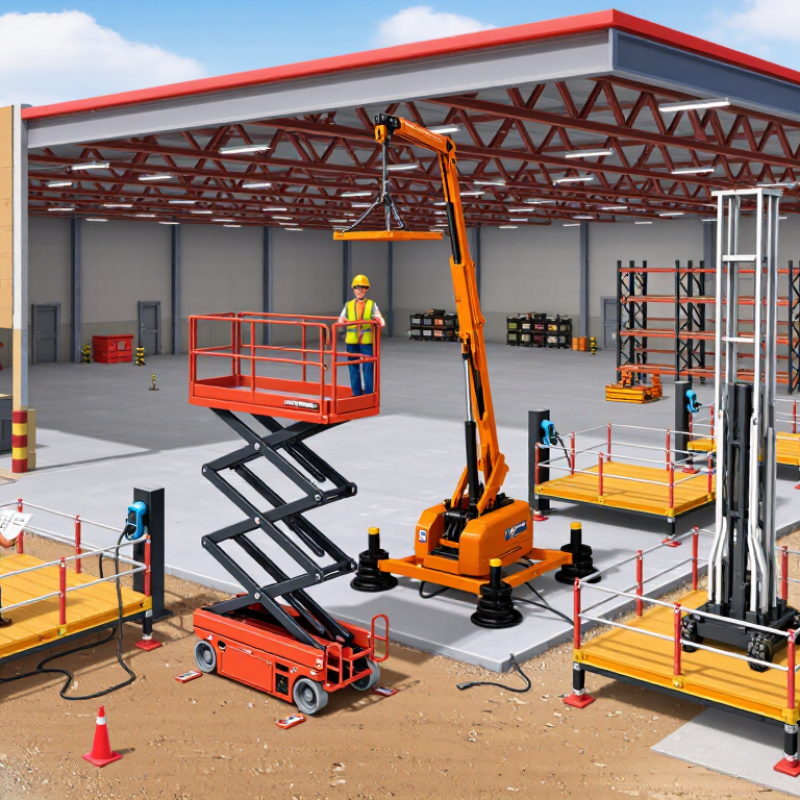
Raised work platforms are elevated work surfaces designed to place people and tools at a safer, more practical height. Common forms include scissor platforms, which rise mostly straight upward, and boom platforms, which can reach over obstacles. The right design depends on the task, available space, and ground conditions. A narrow indoor aisle calls for different equipment than an uneven outdoor work area.

Most platforms use hydraulic or electric power to raise and lower a guarded deck. The operator controls movement from the platform or, on some models, from ground-level controls. Scissor mechanisms extend linked metal supports; boom mechanisms move an arm outward and upward. Guardrails help define the working area, while the base supports the equipment and its load. Keep tools secured. Small items can fall.

Function depends on more than height. The surface must be firm and level enough for the equipment, and the platform’s rated capacity includes workers, tools, and materials. Operators should check controls, tires, rails, and visible damage before use, following the equipment manual and site procedures. It is tempting to focus only on maximum reach, but that can lead to a poor choice. Access, setup time, and room to maneuver matter too. A platform may fit the specification and still feel awkward at the worksite; that is worth noticing before the task begins.

How to Determine the Required Working Height and Task Scope

Determine working height from the task, not the platform’s advertised maximum. Measure the distance from the floor to the highest point workers must reach, such as a ceiling fixture or overhead pipe. Then account for the worker’s comfortable reach, footwear, tools, and any materials being handled. A platform that is too low encourages stretching. Too high can put the worker in an awkward position.

OSHA’s 29 CFR 1910.28 sets fall-protection requirements for many general-industry walking-working surfaces at four feet or more above a lower level. Construction requirements commonly apply at six feet. These thresholds are safety requirements, not recommended platform heights. The U.S. Bureau of Labor Statistics reported 885 fatal work injuries involving falls, slips, or trips in 2023. That figure is a reminder to assess the full work area, including floor openings, uneven ground, and nearby edges.

Next, map the task scope. Will the worker need both hands, carry bulky materials, or move along a long wall? Check platform capacity, deck dimensions, access, and whether repositioning is practical. A compact unit may fit a narrow aisle but leave little room for tools. Measure the route and work zone before choosing. It is easy to overlook the time spent moving a platform; that estimate deserves a second look.

How to Compare Platform Types for Different Applications

How to Choose the Best Raised Work Platforms
How to Compare Platform Types for Different Applications

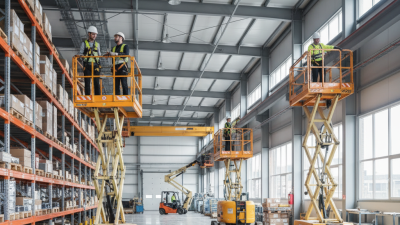
A scissor lift suits jobs that need straight-up access and room for tools. Its broad deck can help crews handle ceiling repairs or install overhead lighting. It needs a firm, level surface and enough clearance to move into position. For narrow indoor aisles, a vertical mast platform may be easier to maneuver, though its smaller deck limits the gear it can carry. Small footprint. Check the rated capacity, including workers, tools, and materials.

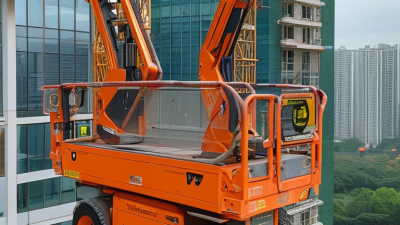
A boom lift reaches over obstacles or across gaps, making it useful for exterior maintenance or work around fixed equipment. Articulating booms bend around obstructions; telescopic models offer more direct horizontal reach. A fixed platform can be practical at a repeated workstation, but it cannot move between tasks as readily. Measure the working height and sideways reach, not just the platform’s maximum height. Also consider doorway width, floor loading, turning space, and outdoor ground conditions. Numbers on a specification sheet can look reassuring; a real site can be less forgiving. Confirm operating limits and inspection requirements, and match the platform to the task rather than choosing the tallest option.

How to Assess Load Capacity, Safety Features, and Site Conditions

How to Choose the Best Raised Work Platforms

How to Assess Load Capacity, Safety Features, and Site Conditions

Start with the platform’s rated capacity, not the height it can reach. Add the weight of every worker, tool, and material likely to be aboard. Include stored equipment and anything carried onto the platform later. Check whether the rating changes when an extension deck is deployed. OSHA’s construction guidance requires workers to follow equipment limits and manufacturer instructions. A rating is not a target to test.

Safety features matter because small errors can have serious consequences. The U.S. Bureau of Labor Statistics recorded 395 fatal injuries from falls, slips, and trips in construction in 2022. That figure covers many types of incidents, not just platform accidents, but it reinforces the need for guarded platforms, functioning controls, and clear emergency-lowering procedures. Numbers matter. Inspect rails, gates, tires, and warning alarms before raising the platform. A checklist can feel repetitive; skipping it is worse.

Assess the actual work area, not just the site plan. Check for soft soil, uneven slabs, floor openings, overhead beams, and nearby power lines. Check the ground. A surface that looks level may still shift under a loaded machine. Confirm the platform fits through access routes and can be positioned without blocking exits. Wind and nearby vehicle traffic can also affect safe operation. If conditions change during the shift, reassess rather than relying on the morning inspection.

How to Choose the Best Raised Work Platform

Assess the planned load before choosing a platform. This illustrative example totals 500 lb (227 kg); use actual weights and confirm that the platform’s rated capacity covers workers, tools, and materials together.

Check the equipment’s capacity label and safety instructions, including guardrails and fall protection requirements. Also assess ground firmness, slope, overhead obstructions, access, and clearance before positioning or raising the platform.

How to Select and Maintain a Suitable Raised Work Platform

Choosing a raised work platform starts with the task, not the tallest option. Measure the working height, reach, and available space, including doorways and overhead pipes. Count the worker, tools, and materials when checking the platform’s rated capacity; a full tool bag adds weight. On uneven floors or in narrow aisles, stability and footprint may matter more than extra deck space. Check guardrails, entry gates, wheel locks, and access before comparing convenience. Small details matter. A platform that feels awkward during a trial may be the wrong fit, even when its specifications look impressive.

Maintenance begins with an inspection before each use. Check the frame, welds, deck, fasteners, wheels, brakes, and guardrails. Look for cracks, loose parts, corrosion, or wheels that drag or fail to lock. Clear dirt and paint buildup, which can hide damage or create a slipping hazard. Follow the manufacturer’s instructions for servicing and replacement parts; improvised repairs can weaken the structure. Keep a simple inspection log with dates and noted defects. A checklist helps, though it can become routine. Pause and look closely, especially after a platform has been moved or stored in damp conditions. If anything seems damaged, remove it from use until a qualified person has assessed it.

How to Choose the Best Raised Work Platforms - How to Select and Maintain a Suitable Raised Work Platform

Compare platform types against the work, access conditions, load, and operating environment. Height, capacity, and operating limits vary by model; always confirm them in the equipment specifications and operator’s manual.

Platform type Typical working height* Typical platform capacity* Best suited to Key selection factors Routine care and checks
Scissor lift About 4–18 m (13–59 ft), depending on model Often about 230–700 kg (500–1,500 lb); some models differ Vertical work with several people or materials, such as installation, maintenance, and fit-out tasks Check platform size, required height, floor loading, doorway access, and whether the surface is level and firm. Indoor electric models are generally suited to low-emission environments. Inspect guardrails, gate, tyres, controls, emergency-lowering system, and visible hydraulic leaks. For electric units, follow the manual for battery charging and care.
Articulating boom lift About 11–43 m (36–141 ft), depending on model Often about 230–450 kg (500–1,000 lb) Reaching over or around obstacles for building services, inspection, and exterior maintenance Compare horizontal outreach, up-and-over clearance, working height, ground conditions, and permitted wind limits. Confirm the task can be reached without leaning from the platform. Check boom sections, pins, hoses, platform controls, tyres, alarms, and emergency descent. Look for damage or leaks before use and report defects.
Telescopic boom lift About 15–57 m (50–187 ft), depending on model Often about 230–450 kg (500–1,000 lb) Long, relatively direct outreach for outdoor construction, structural work, and access to elevated areas Assess required horizontal reach, access route, terrain, stabilisation requirements, and overhead hazards. A longer reach does not mean the platform can carry a greater load. Inspect boom structure, extension function, hydraulic lines, tyres, brakes, steering, and safety devices. Keep service records and follow scheduled inspections.
Vertical mast lift About 3–12 m (10–40 ft), depending on model Often about 135–230 kg (300–500 lb) Compact indoor access in narrow aisles, warehouses, and facilities with restricted floor space Check stowed dimensions, turning radius, doorway and lift access, floor capacity, and the number of occupants allowed. Check mast sections, wheels, interlocks, controls, and emergency-lowering operation. Keep the mast clean as directed by the manufacturer.
Push-around vertical lift About 3–12 m (10–40 ft), depending on model Often about 135–160 kg (300–350 lb) Occasional, single-person indoor tasks where compact storage and simple positioning are priorities Confirm required height, operator and tool load, floor condition, stabiliser setup, and whether the unit must be repositioned by hand. Check wheels, stabilisers, platform gate, controls, battery, and lowering system. Do not move the unit while elevated unless its manual specifically permits it.
Selection and maintenance checklist
  • Measure the required working height and horizontal reach; working height is not the same as platform floor height.
  • Include the combined weight of occupants, tools, and materials, and stay within the rated capacity and occupancy limit.
  • Check access routes, overhead obstructions, floor strength, slope, surface condition, and indoor or outdoor use.
  • Use trained and authorised operators, follow the equipment manual, and apply applicable local safety requirements.
  • Complete a pre-use inspection, remove defective equipment from service, and arrange maintenance at the intervals specified by the manufacturer.

*Figures are broad examples for comparison, not equipment ratings. Actual working height, capacity, and operating limits vary by model and configuration; verify the data plate and manufacturer documentation before selection or use.