Top Mobile Elevated Work Platform Types You Need to Know?
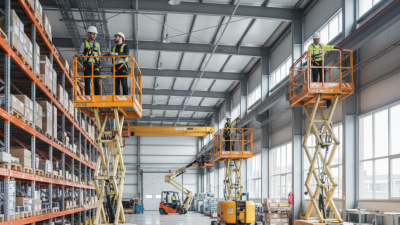
In today's world, the need for safe and efficient work environments is paramount. Mobile Elevated Work Platform Types are essential for various industries, including construction, maintenance, and warehousing. These platforms allow workers to reach considerable heights safely. Understanding different types can significantly enhance productivity.
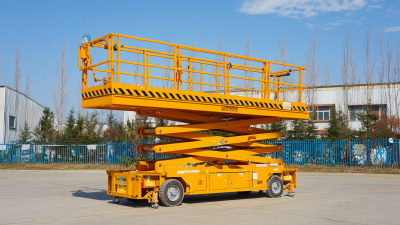
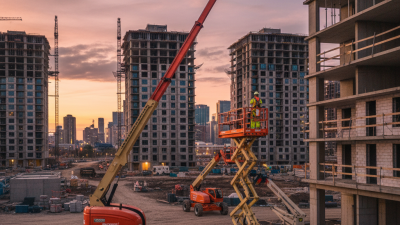
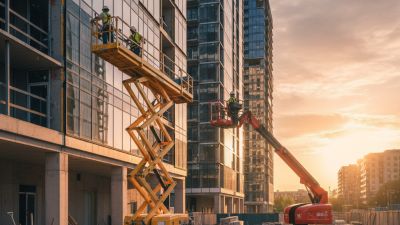
Each Mobile Elevated Work Platform Type has unique features and benefits. Scissor lifts provide a stable platform for tasks requiring upward mobility. Boom lifts, on the other hand, offer extended reach and flexibility for hard-to-access areas. Knowing which platform to choose is critical for any project. Selecting inappropriate equipment can lead to safety risks or project delays.
Recent trends show a shift towards more innovative designs and energy-efficient models. This evolution reflects a growing commitment to sustainability and worker safety. However, not all equipment is created equal. Assessing specific needs and understanding platform types will ensure the best choice for any situation. Always prioritize safety and reliability in your selection.
Types of Mobile Elevated Work Platforms: An Overview of Key Categories
Mobile Elevated Work Platforms (MEWPs) are essential for various industries. They provide safe and easy access to heights, which is crucial for maintenance, construction, and other tasks. Understanding the types of MEWPs available helps ensure you choose the right tool for your job.
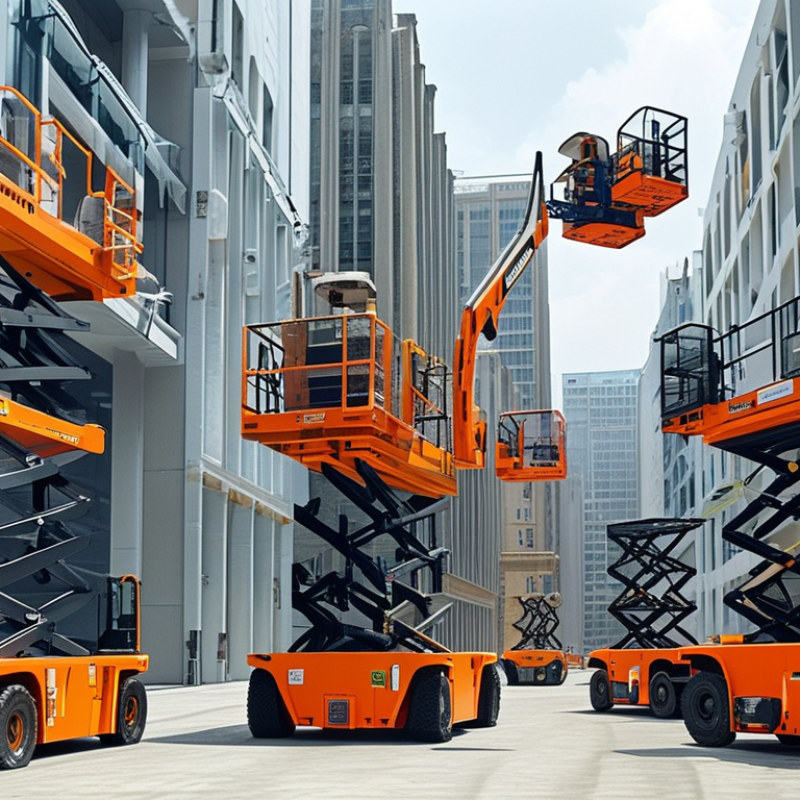
There are several key categories of MEWPs. Scissor lifts are popular for their vertical reach and stability. They work well indoors and on flat surfaces. Boom lifts offer horizontal reach, ideal for accessing structures at varying heights. They can navigate rough terrain and have greater flexibility. Personnel lifts provide a compact solution for small spaces, allowing workers to elevate themselves safely. Each type has its unique benefits, and selecting the wrong one can lead to costly mistakes or safety hazards.
When using MEWPs, workers must receive proper training. They need to understand the specific platform's limitations and safety features. Regular inspections are essential for reliable operation. However, many workers still overlook these crucial details. Lack of awareness can lead to injuries or equipment damage. Awareness of MEWP categories and their characteristics is vital for safe and effective usage.
Industry Statistics on Mobile Elevated Work Platforms Adoption Rates
Mobile Elevated Work Platforms (MEWPs) are crucial in various industries for enhancing productivity and safety. According to recent industry statistics, the adoption of MEWPs has surged, reflecting a broader trend towards safer work environments. Reports indicate that over 60% of construction companies now utilize MEWPs for tasks that require height. This shift signifies a growing awareness of the importance of safety gear and equipment.
Tips: When choosing a MEWP, consider the platform's height and weight capacity. It is essential to select a model that fits your specific tasks. Operators should always check equipment functionality before use. Small maintenance checks can prevent larger issues.
Despite the positive adoption rates, some challenges remain. A considerable number of workers still lack adequate training. Approximately 40% of incidents occur due to improper use of MEWPs. Regular training sessions can help reduce these risks. Companies should invest in ongoing education to improve safety compliance and efficiency. It's vital to promote a culture of safety among all team members.
Advantages and Disadvantages of Various Mobile Elevated Work Platform Types
Mobile Elevated Work Platforms (MEWPs) provide critical access solutions across various industries. Understanding the advantages and disadvantages of MEWP types is essential for selecting the right equipment. For instance, boom lifts offer versatility and reach, making them ideal for construction tasks. However, their operational complexity can pose safety challenges. Studies show that nearly 50% of MEWP accidents involve improper use or inadequate training.
Scissor lifts, on the other hand, are praised for their stability and ease of use. They are suitable for indoor tasks and can extend to significant heights. Yet, their limited horizontal reach can be a drawback. The International Powered Access Federation (IPAF) reports that scissor lifts account for 30% of MEWP-related incidents, often due to overlooked maintenance or operator error.
Articulating boom lifts provide flexibility for navigating obstacles. These lifts can access hard-to-reach areas, which is crucial for many construction and maintenance projects. Nevertheless, their higher operational costs and complex controls make them less accessible for some users. The choice of MEWP should align with specific job requirements, always considering safety training and regular equipment checks as paramount factors in reducing accident rates.
Top Mobile Elevated Work Platform Types
This bar chart illustrates the advantages and disadvantages of various mobile elevated work platform types.
Safety Standards and Regulations Governing Mobile Elevated Work Platforms
Mobile Elevated Work Platforms (MEWPs) are essential in various industries, from construction to maintenance. However, safety standards and regulations governing these platforms are critical to prevent accidents. The American National Standards Institute (ANSI) and the Occupational Safety and Health Administration (OSHA) provide guidelines to ensure worker safety. According to a 2020 report by the Bureau of Labor Statistics, falls from height account for significant injuries in the workplace. Adhering to these standards is vital.
To enhance safety, operators must be trained and certified. Regular inspections help identify potential hazards. The ANSI's A92 standards emphasize that equipment should be routinely examined for functionality. This reduces risks associated with mechanical failures. Many times, companies overlook this aspect, leading to fatal accidents. Ignoring such checks may result in dire consequences.
Tip: Always ensure that MEWPs are used on stable surfaces. Uneven terrain can cause tipping, which is a common risk in the industry. Prioritize safety measures and create a culture of responsibility. Encourage your team to report unsafe conditions. This proactive approach can prevent accidents and foster a safer work environment. Safety isn't just a checklist; it’s a mindset that saves lives.
Future Trends in Mobile Elevated Work Platform Technology and Usage
Mobile Elevated Work Platforms (MEWPs) are evolving rapidly. New technologies focus on enhancing safety and productivity. For instance, electric MEWPs are gaining traction due to their lower environmental impact. They are quieter and emit no exhaust, making them suitable for indoor use. This shift aligns with increasing regulations on emissions.
There is also a trend towards smarter MEWPs. Integration with IoT devices allows for real-time data collection. Operators can monitor equipment health and performance remotely. This tech-driven approach helps prevent breakdowns and ensures better maintenance. However, this reliance on technology may create challenges. User training for advanced systems can be inadequate, leading to potential safety hazards.
Another emerging trend is the design focus. Manufacturers are prioritizing compactness and maneuverability. This allows MEWPs to work in tighter spaces. It’s essential to balance size and stability. More compact machines can be less stable on uneven surfaces. Awareness and training remain crucial in these scenarios. Users must understand these limitations to use machines safely.