How to Choose the Right Mast Climber Hire for Your Project?
Choosing the right mast climber hire is crucial for the success of your project. Many companies overlook this aspect, often leading to delays and increased costs. According to industry reports, 30% of construction projects experience downtime due to inadequate equipment. Selecting the right mast climber can prevent such issues.
Mast climbers offer flexibility and efficiency, especially for high-rise projects. They can handle loads of up to 1,500 kg, catering to various materials and tools. However, not all equipment suits every project. It's vital to assess your specific needs, considering factors such as weight capacity and height requirements.
Engaging with experienced professionals can provide valuable insights. They can guide you in choosing the best mast climber hire for your unique situation. Remember, the wrong choice can lead to unnecessary expenses and safety concerns. Reflecting on past mistakes in equipment selection can help streamline future projects. Trust in expert advice, and prioritize reliable equipment for optimal results.
Understanding the Basics of Mast Climbers and Their Applications
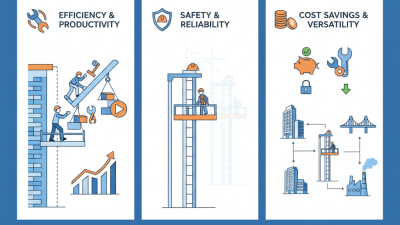
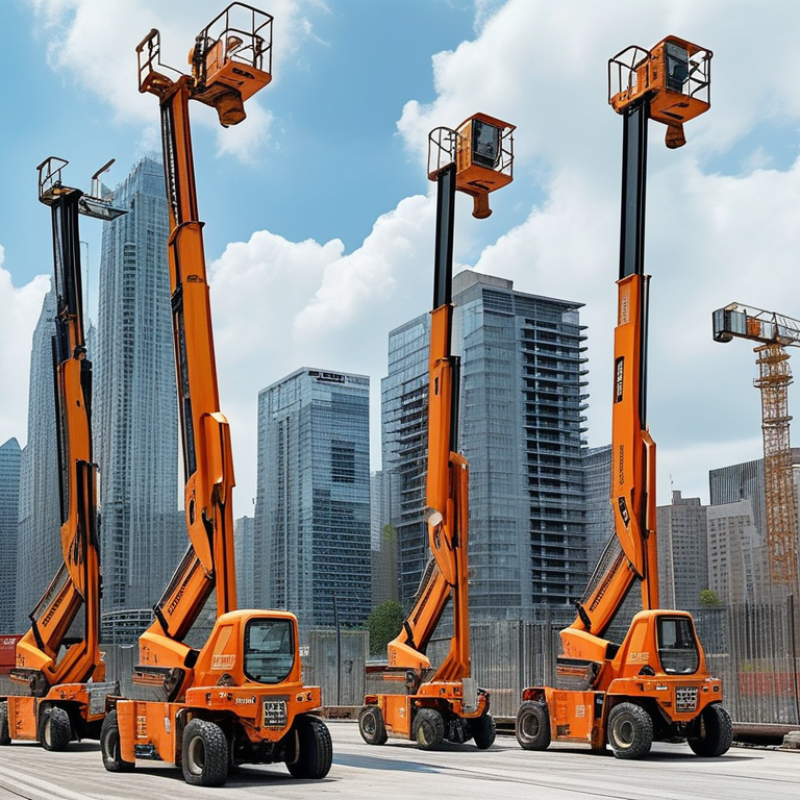
Mast climbers have become essential in the construction industry, providing a safe way to work at height. They offer several advantages, including increased efficiency and reduced labor time. According to industry studies, projects using mast climbers can see productivity boosts of up to 30%. Understanding their features is crucial for making informed choices.
Mast climbers can be used in various applications like facade work, painting, and window installation. They are more versatile than traditional scaffolding. For instance, they can adapt to irregular building shapes. This flexibility often leads to reduced safety incidents, which is vital for project timelines and budgets.
Tip: Always assess your project’s specific needs. Consider the weight capacity tailored to your materials and tools.
Another crucial aspect is the setup.
Installing a mast climber requires skilled operators. Inadequate installation can result in costly delays. Regular training for workers is necessary to maintain safety standards. It’s essential that operators understand both the machinery and the risks involved.
Tip: Invest in ongoing training. This enhances safety and can improve overall project efficiency.
Factors to Consider When Selecting a Mast Climber for Your Project
When selecting a mast climber for your project, several critical factors must be considered. The project’s height and scale are paramount. If your building reaches elevations above 30 meters, a robust mast climber is essential. According to industry reports, nearly 70% of construction delays are linked to access equipment failures. Proper height assessment can help avoid these costly issues.
Weight capacity is another vital aspect. Most models can safely handle loads ranging from 500 to 3,000 kg. Understanding your materials’ weight ensures the climber fits the job's needs. Poor weight management can lead to accidents or equipment failure. Furthermore, pay attention to the platform size. An area too small for your crew can severely limit efficiency. Industry data shows that optimizing platform space can increase labor productivity by up to 25%.
Lastly, consider the duration of your project. If it extends beyond three months, hiring a climber with adaptive capabilities becomes crucial. Frequent adjustments may require additional training, impacting your timeline. Choose wisely—it could mean the difference between smooth operations and significant setbacks.
Evaluating the Load Capacity and Reach of Different Mast Climbers
When selecting a mast climber for your project, evaluating load capacity and reach is crucial. Load capacity refers to the maximum weight the mast climber can safely support. Understanding your project's demands allows you to choose a model that meets your needs. For instance, heavy materials may require a climber with higher capacity. However, be cautious. Choosing a model solely based on numbers might overlook other factors, like stability and ease of use.
Reach is another critical factor. It determines how high and far the equipment can extend. Assess your project’s height requirements thoroughly. If the climber cannot reach the necessary areas, it could lead to delays and unsafe working conditions. Evaluate the dimensions of your site and potential obstacles. Sometimes, projects evolve, requiring adaptations. Reflect on your decisions regularly to ensure the chosen equipment is still suitable as demands change. This awareness will enhance safety and efficiency on site.
Load Capacity and Reach of Different Mast Climbers
Safety Features and Regulatory Compliance in Mast Climber Rentals
When hiring a mast climber, safety features should be a top priority. Look for models equipped with robust guardrails and emergency stop buttons. These features can significantly reduce accidents on site. Regular maintenance checks are essential to ensure all safety systems function correctly. A thorough inspection should be part of any rental agreement.
Regulatory compliance is equally crucial. Each region has specific regulations governing mast climber usage. It’s essential to verify if the rental company adheres to these local laws. Understanding the necessary certifications can save you from potential legal issues. Not all providers prioritize compliance, so doing your homework is vital.
Furthermore, assessing your project’s specific needs is important. If your project site has challenging access or heights, confirm that the mast climber meets those demands. Sometimes, a cheaper option may not provide adequate safety features or reliability. Investing in a compliant and robust system can enhance overall project safety and efficiency.
How to Choose the Right Mast Climber Hire for Your Project? - Safety Features and Regulatory Compliance in Mast Climber Rentals
| Feature |
Description |
Importance |
Compliance Standard |
| Load Capacity |
Maximum weight the climber can support. |
Critical for safety; avoids overload. |
EN 1495 |
| Safety Locking System |
Mechanism that prevents accidental descent. |
Essential for preventing falls. |
ISO 9001 |
| Emergency Stop Button |
Allows for immediate shutdown in case of emergency. |
Vital for quick response to hazards. |
CE Marking |
| User Training |
Training required to operate the climber safely. |
Mitigates risk of operator error. |
OSHA Standards |
| Regular Maintenance Checks |
Routine inspection and servicing of equipment. |
Ensures reliability and safety during use. |
ANSI Z359 |
Comparing Rental Costs and Services Among Mast Climber Suppliers
When selecting a mast climber hire, understanding rental costs is vital. A recent industry report indicates that rental costs can vary by 20-30% across different suppliers. This discrepancy highlights the necessity of comparing quotes to ensure optimum investment for your project.
Evaluate services provided by each supplier. Factors such as maintenance, support, and training play critical roles in overall costs. If one supplier offers lower rates, but lacks support, it can lead to unforeseen expenses.
Consider your project size and duration. Short-term rentals may initially appear more affordable but can escalate costs long-term. Analyze usage frequency. Frequent users might benefit from long-term contracts. Also, assess the type of mast climber needed for your specific tasks. Specialized equipment may incur higher costs but can enhance productivity and safety.
Tip: Always check the reputation of the supplier. Reviews from previous clients can provide insights into reliability. You can also consult industry forums for personal experiences.
Tip: Ensure you account for potential hidden costs. Items such as delivery charges and insurance could affect your budget. These expenses can often lead to confusion without proper communication with suppliers.
Engaging multiple suppliers for quotes can reveal the best options. Stay informed about current trends in the mast climbing sector. Reliable data sources can guide your decision-making process, reducing the likelihood of unexpected expenses.