7 Best Work Platform Training Courses for Global Buyers
Global buyers often compare work platforms across several markets, suppliers, and operating environments. The right training can help teams understand equipment limits, safe setup, inspection routines, and operator responsibilities. But course titles alone reveal little. A brief online module may explain controls, while practical instruction lets learners assess a platform on stable ground and identify hazards around its base. Both formats have a place.
Work Platform Training should connect clear instruction with the equipment people will actually use. Buyers can look for courses covering pre-use checks, load limits, ground conditions, fall protection, emergency procedures, and manufacturer guidance. Course access, language options, instructor experience, and assessment methods also deserve close review. Details matter. Training requirements can vary by location and equipment type, so buyers should confirm applicable local guidance rather than assume one certificate fits every site. A course may look complete on paper yet leave gaps in hands-on practice. That is worth questioning. This guide compares seven training options through a practical buyer’s lens, including their likely strengths, intended learners, and points to verify before purchase. It is not a substitute for site-specific risk assessment or qualified instruction. The best choice is the one that prepares workers for the actual platform, workplace, and tasks—not simply the one with the most polished course description.
What Work Platform Training Covers
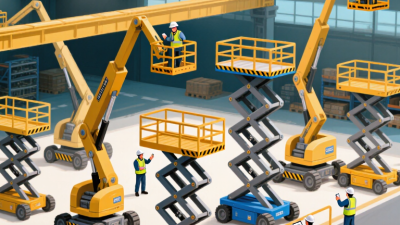
Work platform training teaches operators how to use elevated work platforms safely and consistently.
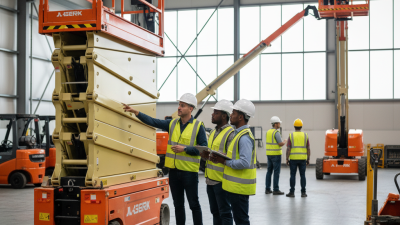
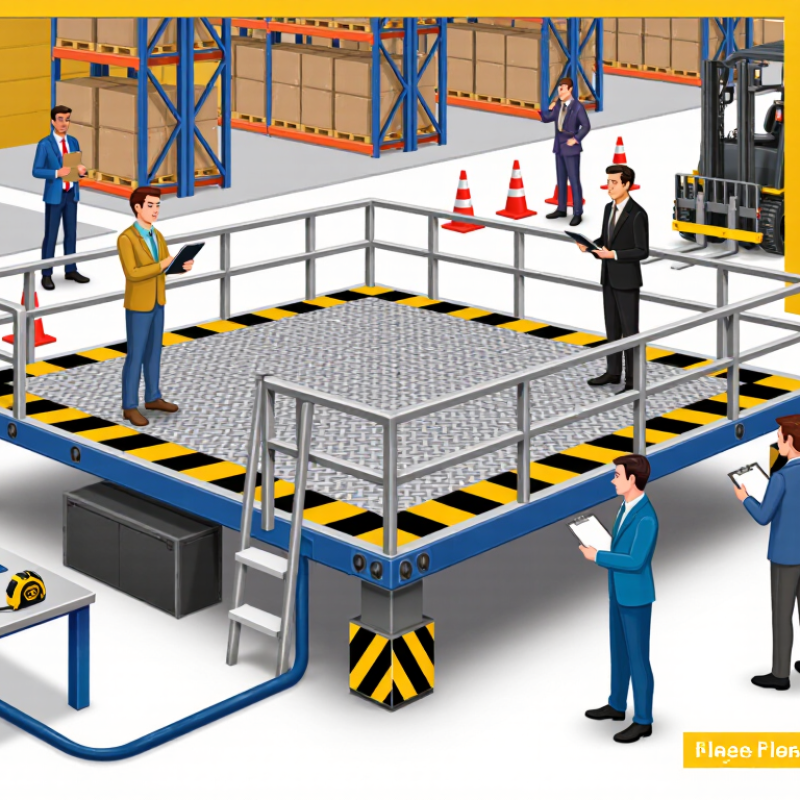
Courses usually begin with equipment types, control functions, platform limits, and manufacturer instructions. Trainees learn to inspect tires, guardrails, gates, emergency controls, and visible hydraulic or electrical components before each shift.
Small defects matter.
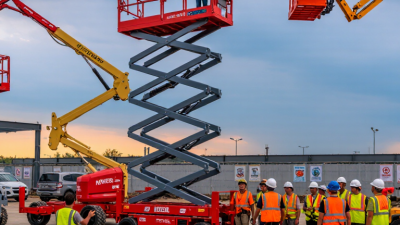
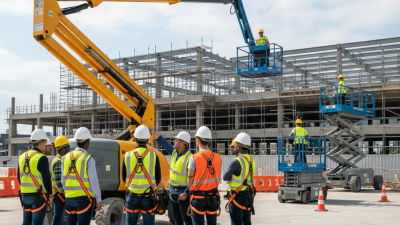
The practical section covers travel, positioning, raising and lowering, and working near obstacles. Instructors often use realistic tasks, such as placing the platform beside a wall or moving across a marked work area. Trainees practice checking ground conditions, overhead hazards, wind, and nearby people. They also learn that platform load limits include workers, tools, and materials—not just the operator.
A toolbox can change the calculation.
Emergency response is another core topic. Operators may practice lowering a platform from ground controls and communicating clearly when a colleague needs help. Training should also explain when to stop work, report damage, and keep unauthorized people away from the operating area. The details vary by platform design and local requirements, so global buyers should confirm that course content matches the equipment and job site.
A certificate alone may not prove practical competence. Watching an experienced operator helps, but supervised practice reveals gaps that a classroom can miss.
Why Global Buyers Need Work Platform Training
Global buyers need work platform training because equipment may cross borders, but workplace conditions do not stay the same. One site may have smooth concrete floors; another may have uneven ground, overhead pipes, or narrow access routes. Operators need to understand the platform’s controls, safe working load, and limits before raising it. Training also helps them spot practical hazards, such as a wheel near a floor edge or a tool left loose in the basket. Small checks matter. A pre-use inspection and a clear signal between the operator and ground staff can prevent avoidable confusion.
Good training should match the platform type and the work people will actually do. It should include hands-on practice, emergency-lowering procedures, and a way to confirm that learners can use the equipment safely. Buyers should also check that instruction is understandable to the workforce and reflects relevant local requirements, which can differ between locations. A certificate alone may not show whether someone can respond calmly when a platform stops at height. Training does not make every site predictable. Even experienced teams can miss things, so refreshers and honest reviews of near misses help keep everyday work safer.
How to Evaluate Training Courses Across Markets
Comparing work platform training across markets means checking more than translated slides. A course may sound clear in English yet leave a shift supervisor unsure how to approve a handover. Look for localized workflows, screenshots, terminology, and examples that match local roles. Small details matter. Does a practice task use a realistic job ticket? Can learners repeat a module on a phone during a short break? Ask course providers for sample lessons, assessment criteria, and update dates, rather than relying on polished claims.
A useful evaluation also checks access, support hours, and measurable outcomes. Learners in different time zones may need recordings, captions, or a local-language help channel. Compare completion rates with practical checks, such as whether staff can assign a task or locate an escalation path. Run a small pilot in two markets before buying at scale; note where learners pause or ask for clarification. A pilot can still miss problems. One awkward phrase or outdated screen may be easy to overlook, so review materials with local users and schedule regular updates.
Seven Work Platform Training Courses for Global Buyers
Seven Work Platform Training Courses for Global Buyers
A useful global training plan covers seven distinct needs: equipment familiarization, operator skills, pre-use inspection, fall protection, rescue procedures, site-risk assessment, and supervisor oversight. Familiarization should teach controls, load limits, stabilizer setup, and safe access using the actual platform type. Operator practice should include moving slowly across a marked work zone, positioning near obstacles, and lowering the platform safely. Inspection training can use a simple checklist: tires, guardrails, controls, alarms, and visible hydraulic leaks. Short courses work best when learners demonstrate each task, not just watch a presentation.
That distinction matters.
Fall protection and rescue training should explain harness fit, approved attachment points, communication, and what to do after a worker becomes suspended. Site-risk courses should cover overhead hazards, uneven ground, wind, and nearby electrical lines. Supervisors need training in work planning, exclusion zones, and stopping tasks when conditions change.
The UK Health and Safety Executive reported 40 worker deaths from falls from height in 2022/23. In the United States, the Bureau of Labor Statistics recorded 395 construction deaths from falls to a lower level in 2022.
These figures show why practical assessment deserves attention. A certificate alone cannot confirm sound judgment.
Buyers should compare course language options, hands-on hours, assessment methods, and refresher rules, then verify that content matches the platform and jobsite. One detail is easy to miss: rescue drills need clear roles, not just written steps.
How to Choose a Course for Your Team and Region
Choosing work platform training across regions is not just a translation task. A course that works for a headquarters team may fail on a warehouse floor, where staff share devices or have little time between shifts. The World Economic Forum’s Future of Jobs Report 2025 says 63% of employers see skills gaps as a major barrier to business transformation. That figure makes role-specific practice essential. Check whether lessons use familiar tasks, local terminology, and realistic screen examples. Short modules help. So does a downloadable job aid. Ask regional managers to test a lesson before rollout; their feedback may expose awkward wording or missing steps.
Compare courses by more than topic coverage. Look for practice environments, captions, mobile access, instructor support, and ways to measure task performance—not just completion. LinkedIn’s 2024 Workplace Learning Report found that 90% of organizations were concerned about retention, and identified learning opportunities as a leading retention strategy. Training can support that goal, but only when employees can apply it at work. A pilot with one team can reveal whether learners can complete a routine workflow without help. It is an imperfect test; one team cannot represent every region. Still, it is better than assuming a translated course fits everyone. Check time zones, connectivity, and local support before selecting a course.
7 Work Platform Training Courses: Suggested Learning Time
Planning guide for global buyer teams. Hours are suggested guided-learning estimates, not standardized course requirements.
How to use this chart: Start with platform basics, then prioritize administration, integrations, security, and regional localization according to your team’s responsibilities and local requirements.