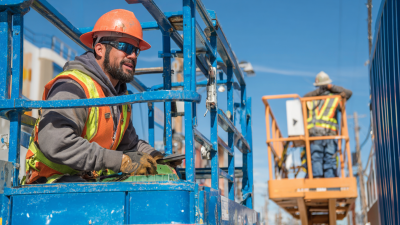
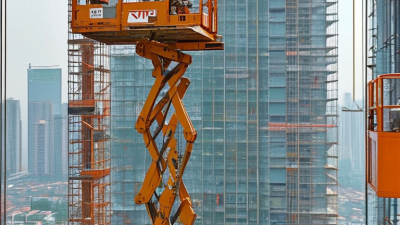
What Is Mobile Elevated Platform Training?
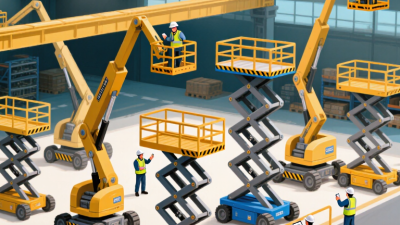
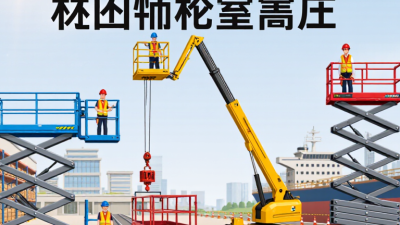
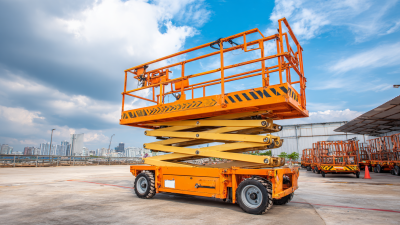
Mobile Elevated Platform Training teaches workers how to operate mobile equipment that raises people above ground level. It applies to machines such as scissor lifts, boom lifts, and vertical mast platforms. The training combines classroom instruction, practical demonstrations, and supervised operation. A competent instructor explains stability, platform controls, rated capacity, safe access, and emergency procedures. Learners also practise inspecting tyres, guardrails, gates, batteries, hydraulic lines, and warning systems before use.
A strong course reflects real working conditions, not only clean training yards. Operators may face uneven ground, narrow aisles, changing weather, overhead structures, or nearby vehicle movement. They learn to review the manufacturer’s manual and complete a site-specific risk assessment. They should understand when a platform requires different controls, attachments, or personal protective equipment. Local regulations and employer procedures also matter, because training requirements can vary between regions and workplaces.
Good training builds judgement, not just certificate knowledge. An operator must recognise when wind, poor visibility, or unstable ground makes work unsafe. Emergency lowering should become familiar before an emergency occurs. Small habits matter. Slow movements matter. Training is not a magic shield. Some courses may appear complete, yet provide too little practice with real hazards. That limitation deserves honest review. Employers should verify practical competence, keep records, and provide refresher training after incidents, equipment changes, or long periods without operation. Mobile Elevated Platform Training is therefore a practical safety process, supported by experience, equipment knowledge, and continuous workplace evaluation.
Definition and Purpose of Mobile Elevated Platform Training
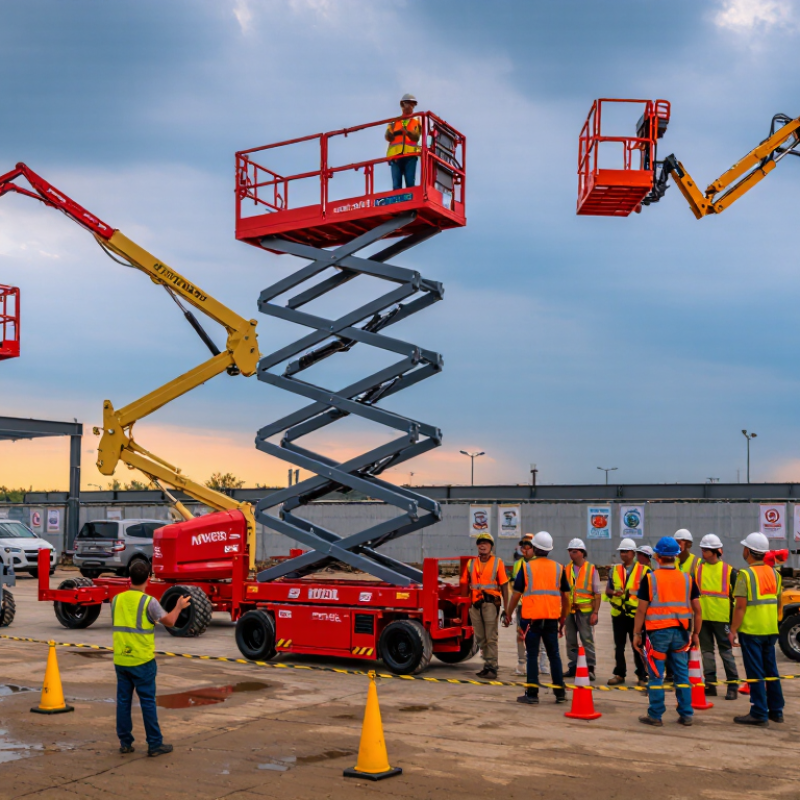
Mobile Elevated Platform Training teaches workers to operate mobile elevating work platforms safely and deliberately. It covers equipment selection, pre-use inspections, controls, stability, load limits, and emergency lowering. Trainees also learn how ground conditions, overhead hazards, wind, and nearby traffic can change a lift’s risk.
The purpose is practical, not ceremonial. A trained operator should identify hazards before climbing, maintain safe clearance, and use fall protection correctly. Training should include classroom instruction, equipment-specific practice, and a performance evaluation by a qualified instructor. The Occupational Safety and Health Administration requires employers to train operators before allowing them to use aerial lifts, including instruction on inspection, operation, and workplace hazards.
The need is measurable. The International Powered Access Federation’s Global Safety Report 2024 recorded 118 powered-access fatalities across reported incidents in 2023. Falls from height, electrocution, and entrapment remained recurring causes. The report also shows why incident data deserves caution; reporting coverage differs between countries and industries. It is useful, but incomplete.
A certificate alone is not enough. Hands-on judgment matters. In a real work area, a narrow route, soft soil, or an unnoticed overhead cable can defeat classroom knowledge. Refresher training should follow unsafe behavior, equipment changes, incidents, or long periods without operation. Supervisors should observe the operator, ask practical questions, and document weaknesses honestly. Some training programs still rush this step. That deserves reflection.
What Is Mobile Elevated Platform Training?
Core hazard areas addressed by workplace aerial-lift and MEWP safety guidance
Mobile Elevated Work Platform (MEWP) training prepares operators to inspect equipment, assess workplace hazards, use controls safely, and respond to emergencies. The chart shows the four major hazard categories commonly addressed in OSHA aerial-lift safety guidance. A value of 1 indicates that the hazard area is explicitly included; it is not an accident percentage or risk ranking.
Reference: U.S. Occupational Safety and Health Administration, Aerial Lifts and related requirements in 29 CFR 1910.67 and 29 CFR 1926.453.
Practical Skills for Operating Mobile Elevated Platforms
What Is Mobile Elevated Platform Training?
Mobile elevated platform training develops the practical skills needed to operate lifting equipment safely and confidently. Trainees learn how to inspect the platform, identify damaged guards, check controls, and confirm ground conditions before movement. A small crack, loose gate, or soft surface can create a serious risk. These details demand patience.
Hands-on practice is central to effective training. Under supervision, operators learn to position the platform, use stabilisers correctly, control travel speed, and maintain safe clearance from structures and overhead hazards. They also practise entering and exiting the platform while keeping three points of contact. The controls may feel simple, but poor judgement can develop quickly in a crowded work area.
Good instruction includes emergency procedures, communication signals, and shutdown steps. Operators should know how to respond to a power failure, unstable movement, or a person becoming unwell at height. Training should include a realistic site assessment, not only classroom theory. Some learners focus heavily on reaching the work area and forget the return route. That mistake is worth discussing openly. A competent assessment should confirm practical ability, hazard awareness, and a willingness to stop when conditions change. Local workplace requirements and equipment instructions must also guide the training.
Assessment, Certification, and Ongoing Competency Management
What Is Mobile Elevated Platform Training?
Assessment, Certification, and Ongoing Competency Management
Mobile elevated platform training is more than learning joystick movements. A competent operator must inspect the machine, interpret load limits, identify ground hazards, and respond to changing site conditions. Training should combine classroom instruction, practical demonstrations, and a formal assessment. The assessment must test real decisions, such as stopping near overhead lines or refusing unstable ground.
Certification provides evidence of successful training. It does not prove permanent competence. The 2024 Global Safety Report from the International Powered Access Federation recorded 118 powered-access fatalities across 15 countries during 2023. Falls, electrocution, overturns, and entrapment remained significant causes. The figures are sobering. A certificate alone cannot control those risks.
Employers should verify operator identity, equipment category, assessment results, and authorization records. They should also review performance after incidents, long absences, equipment changes, or unfamiliar work environments. Short observation sessions can reveal habits missed during formal testing, such as skipping guardrail checks or positioning too close to edges. Refresher training may be needed, but the interval should reflect risk, not convenience. In practice, competency management is sometimes treated as paperwork. That is a weakness. A signed form does not show whether an operator can make a safe decision at 12 metres, with wind increasing and the work area changing below.