Top 10 Benefits of Mast Climber Scaffolds for Your Projects?
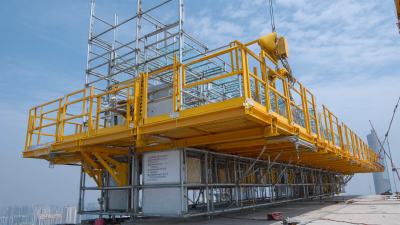
Mast climber scaffolds are revolutionizing the construction industry. These structures offer unique advantages and elevate project efficiency. They provide a safer working environment for construction workers, minimizing risks associated with traditional scaffolding.
One significant benefit of mast climber scaffolds is their versatility. They can adapt to various project sizes and complexities. Additionally, they improve access to high elevations, allowing workers to complete tasks more efficiently. Each project can vary, and some challenges may arise when using them. It's crucial to ensure proper installation and maintenance.
Moreover, mast climber scaffolds enhance productivity, as they allow workers to move materials easily. This accessibility reduces downtime and streamlines operations. However, selecting the right equipment remains a critical decision for project managers. Ensuring these systems are well-suited for specific tasks can make all the difference in project success. Overall, mast climber scaffolds are a valuable asset in modern construction.
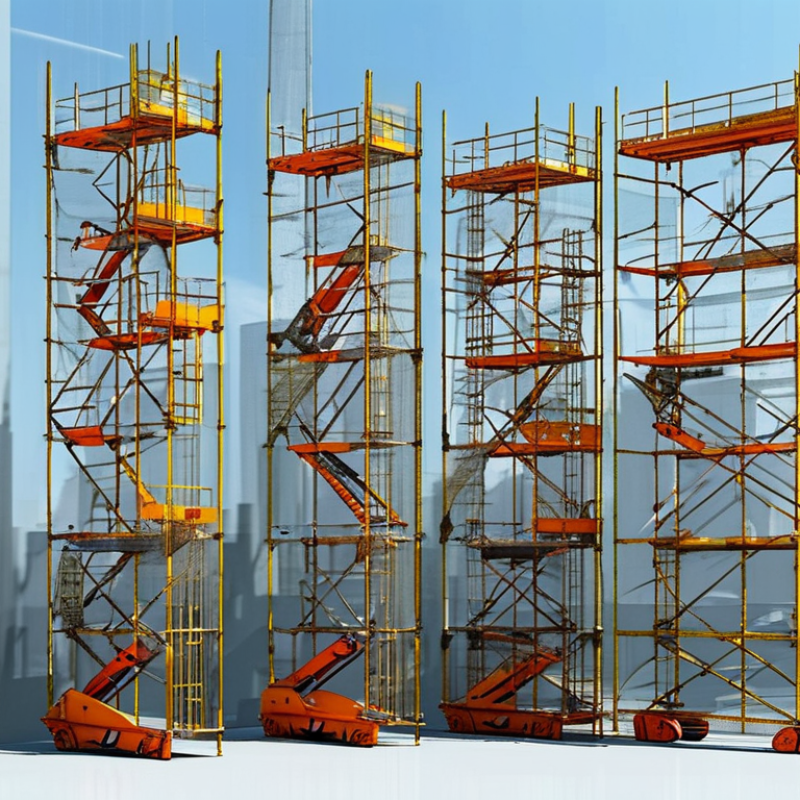
Advantages of Using Mast Climber Scaffolds in Construction Projects
Mast climber scaffolds are transforming construction projects significantly. They offer unique advantages that enhance both safety and efficiency. According to the International Journal of Advanced Structural Engineering, using mast climbers can reduce construction time by up to 30%. This efficiency is vital for maximizing productivity on any job site.
One notable benefit is their adaptability to various structures. Unlike traditional scaffolds, mast climbers can easily be adjusted for different heights and shapes. This flexibility allows for seamless integration into complex architecture. Furthermore, a study from the Construction Industry Institute highlights that these systems improve worker safety. The stable platform reduces the risk of falls, a leading cause of injuries in construction.
Cost-effectiveness is another critical factor. Investing in mast climbers can lead to lower labor costs. Workers can access multiple levels quickly, reducing downtime. Nevertheless, challenges exist, such as the need for skilled operators. Ensuring proper training can prevent accidents and inefficiencies. This investment in workforce development is essential for long-term success.
Enhanced Safety Features of Mast Climber Scaffolds for Workers
Mast climber scaffolds are becoming increasingly popular for construction projects. Their design offers several enhanced safety features that benefit workers. One notable feature is the inclusion of guardrails. These sturdy rails significantly reduce the risk of falls, providing a secure work environment at height. The platforms are also equipped with anti-slip surfaces, which improve traction and lessen the risk of accidents.
Another advantage is the integrated braking system in many mast climbers. This system ensures that the scaffold remains stable, even on uneven ground. Additionally, many models allow for easy access to tools and materials, reducing the need for workers to lean precariously or overreach. However, proper training on using these systems is crucial. Workers must be aware of how to operate them safely. Regular inspections can help further enhance safety, yet consistent adherence to protocols may sometimes be overlooked.
Moreover, the height-adjustable aspects of mast climbers allow for flexibility, adapting to various project requirements. This flexibility can be a double-edged sword, as it may tempt workers to bypass setup safety checks in the interest of speed. Awareness and vigilance are vital. Real-time monitoring of safety conditions can prevent mishaps while maximizing productivity. These measures highlight the balance needed between efficiency and worker safety.
Increased Efficiency and Productivity with Mast Climber Scaffolds
Mast climber scaffolds have transformed project efficiency in the construction industry. According to a report by the International Journal of Construction Management, projects using mast climbers can increase productivity by up to 30%. This boost stems from the scaffolds' ability to provide workers with easy access to elevated areas, significantly reducing downtime. Workers spend less time climbing and more time focusing on tasks.
Moreover, mast climbers ensure a safer working environment. They can carry heavier loads compared to traditional scaffolding, accommodating tools and materials. A survey by the National Safety Council indicated that using such scaffolds reduces accidents by 20%. However, adoption comes with a learning curve. Teams need training to operate them effectively. Some projects might face initial resistance due to this factor.
Integrating mast climber scaffolds can lead to a change in workflow. Teams may struggle to adjust to this technology at first. Yet, over time, the efficiency dividends often outweigh the early challenges. This technology not only enhances performance but also requires a shift in project management approaches. Adapting to these advances is essential for long-term success in the industry.
Cost-Effectiveness of Mast Climber Scaffolds Compared to Traditional Scaffolding
Mast climber scaffolds have gained popularity for their cost-effectiveness compared to traditional scaffolding. They provide a stable working platform and can drive down labor costs. Unlike standard scaffolds, mast climbers can be quickly erected and disassembled. This efficiency can save time and money on projects, making them an attractive choice for many construction teams.
A major benefit is the ability to transport materials directly to the work area. This reduces the need for additional equipment. Construction crews can focus on tasks rather than logistics. However, initial investment costs may be higher. This is a consideration for small projects or contractors with tight budgets.
Tips: Always check for safety certifications. This ensures the equipment meets industry standards. Additionally, consider the type of project when choosing scaffolding. Not all projects require the same equipment. Make choices based on specific needs and potential savings. Adjusting to new methods can require training; don't overlook this aspect. Balancing cost and quality is essential.
Versatility of Mast Climber Scaffolds for Different Building Types and Sites
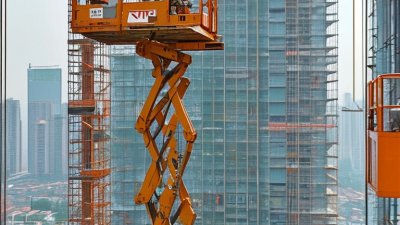
Mast climber scaffolds are gaining popularity for various building projects. Their versatility shines across different building types and sites. These scaffolds offer easy access to high-rise structures, making them perfect for skyscrapers and tall residential buildings. They can adapt to various surfaces and heights, ensuring safety and efficiency.
Working with different building materials presents challenges. Mast climber scaffolds accommodate diverse projects, from brick to steel constructions. Teams can adjust the platform size and elevation, which is critical for unique site conditions. Their ability to maneuver over obstacles enhances workflow on complex projects.
However, not every project benefits from mast climbers. They require specific site configurations for optimal use. In tighter urban settings, placement can be tricky. Moreover, understanding load capacity and safety standards is essential. Workers must familiarize themselves with these aspects for effective use. Embracing the benefits of mast climber scaffolds while addressing their limitations can elevate project efficiency and safety.
Top 10 Benefits of Mast Climber Scaffolds for Your Projects
| Benefit |
Description |
Building Types |
Site Conditions |
| Height Reach |
Can reach substantial heights, ideal for high-rise construction. |
Residential, Commercial |
Urban Areas |
| Safety |
Enhanced safety features reduce fall risks. |
All Types |
Varied Conditions |
| Ease of Use |
Quick setup and takedown process. |
Renovations, New Builds |
Small Spaces |
| Versatility |
Adaptable for various tasks like painting, bricklaying, etc. |
Industrial, Educational |
Diverse Environments |
| Cost-Effective |
Reduces labor costs by increasing efficiency. |
Commercial, Residential |
Budget-Constrained Sites |
| Mobility |
Easily movable for different work areas. |
Mixed Use |
Variable Terrain |
| Increased Productivity |
Facilitates faster task completion. |
All Types |
High-Traffic Areas |
| Material Handling |
Designed for efficient material handling at height. |
Industrial, Construction |
Limited Access Sites |
| Environmentally Friendly |
Reduces waste and energy consumption. |
Sustainable Projects |
Eco-Conscious Areas |