
ANSI A92 MEWP Standards What Global Buyers Need to Know?
Buying a mobile elevating work platform is not only a question of lifting height, platform size, or purchase price. For global buyers, ANSI A92 MEWP Standards can influence machine design, operator training, risk assessment, maintenance, and supplier documentation. These requirements matter when equipment crosses borders or enters projects managed by multinational contractors.
Tim Whiteman, former CEO of the International Powered Access Federation, has emphasized a practical principle: safe MEWP operation depends on planning, training, and supervision. His view reflects the standard’s real purpose. Compliance should not remain inside a technical file. It should appear at the jobsite, beside the machine, during inspection, setup, and emergency planning.
This guide examines what international buyers should verify before signing a purchase order. The details include ANSI A92 classification, manufacturer responsibilities, familiarization, load charts, platform controls, and inspection records. A buyer should also compare ANSI requirements with local rules, because one certificate may not satisfy every authority. That gap is easy to miss.
Look closely at the nameplate. Check the manual language. Confirm the serial number matches the compliance documents. Ask who will provide training after delivery. These small checks reveal supplier reliability.
No standard removes every hazard. Weather changes. Ground conditions fail. Operators make imperfect decisions. Buyers must recognize that compliance is a foundation, not a complete safety program. Some requirements may also be interpreted differently across markets, so professional review remains wise. That uncertainty deserves attention, not dismissal.
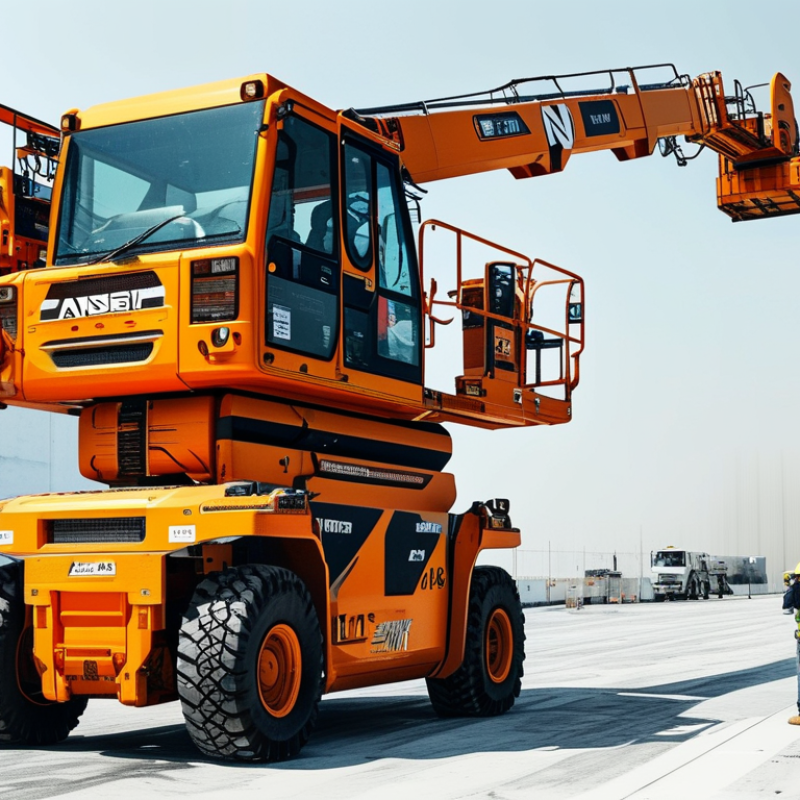
Understanding the Scope and Purpose of ANSI A92 MEWP Standards
ANSI A92 MEWP standards define how mobile elevating work platforms should be designed, evaluated, selected, and used. Their purpose is practical: reduce risks during lifting, positioning, and working at height. The standards address equipment stability, structural strength, controls, guarding, emergency functions, and operating information. They also clarify responsibilities for manufacturers, owners, users, operators, and service personnel.
For global buyers, scope matters more than a familiar compliance label. ANSI A92 is a United States voluntary consensus framework, not a universal legal approval. A machine may meet its technical requirements yet need additional local certification. Check the intended worksite before purchasing. Consider floor loading, uneven ground, wind exposure, indoor clearance, platform capacity, and emergency access. A clear load chart should be available near the controls.
Real inspections often reveal the difference between paperwork and safe use. Operators need task-specific training, not only a certificate. Daily checks should include tires, guardrails, alarms, controls, leaks, and emergency lowering systems. Rescue planning must be realistic. Who reaches the platform if power fails?
Standards cannot remove every mistake. Buyers should compare manuals, inspection records, training procedures, and maintenance support. Some requirements may feel excessive during a short task, but a rushed lift can expose weak planning quickly. Local rules and site conditions still require careful review.
ANSI A92 MEWP Standards: What Global Buyers Need to Know?
Understanding the Scope and Purpose of ANSI A92 MEWP Standards
| Standard or Topic | Primary Scope | Main Purpose | What Buyers Should Verify | Global Purchasing Relevance |
|---|---|---|---|---|
| ANSI A92.20-2018 | Design, calculations, safety requirements, and testing for mobile elevating work platforms (MEWPs). | Establishes technical requirements intended to address stability, structural integrity, control systems, guarding, and safety-related design risks. | Design documentation, rated load information, platform dimensions, stability provisions, emergency controls, guarding, and test records. | Useful as a technical purchasing benchmark, but it does not automatically replace local product-certification or machinery regulations. |
| ANSI A92.22-2018 | Safe use of MEWPs throughout their operating life. | Defines safe-use practices covering planning, risk assessment, site preparation, inspections, operation, maintenance, and emergency planning. | Instructions for use, inspection schedules, maintenance procedures, rescue planning, site-risk controls, and operator responsibilities. | Helps buyers evaluate whether the supplier provides enough documentation and operational guidance for safe deployment in different countries. |
| ANSI A92.24-2018 | Training requirements for MEWP operators, occupants, supervisors, and maintenance personnel. | Provides a framework for identifying training needs, delivering instruction, evaluating competence, and maintaining training records. | Training materials, practical and theoretical assessment methods, familiarization procedures, authorization records, and retraining triggers. | Supports consistent workforce preparation, while local laws may impose additional licensing, language, or qualification requirements. |
| Legacy A92.5 and A92.6 References | Older classifications covering boom-supported and self-propelled elevating work platforms. | Provided earlier product-focused requirements before the broader three-part A92 standards structure was introduced. | Applicable edition, manufacturing date, certification basis, and whether the purchasing authority requires the current A92.20 framework. | Important when buying used, refurbished, or previously manufactured equipment because documentation may cite an earlier edition. |
| MEWP Classification | Includes equipment such as vertical lifts, scissor-type platforms, boom-supported platforms, and other machines designed to position people at height. | Ensures that design, operation, and training requirements are matched to the machine’s movement, access method, and operating risks. | Machine type, vertical or horizontal reach, platform capacity, travel capability, indoor or outdoor rating, and terrain limitations. | Correct classification prevents buyers from applying unsuitable specifications to the intended work environment. |
| Rated Capacity and Occupancy | The allowable combined load of occupants, tools, materials, and accessories within the platform or work area. | Reduces overload, instability, structural stress, and unsafe work-at-height conditions. | Rated capacity labels, capacity changes by configuration, accessory limitations, number of occupants, and load-measuring or limiting systems. | Capacity markings should be understandable to the end user and compatible with local measurement and workplace practices. |
| Stability and Operating Envelope | Operating conditions that affect overturning resistance, including slope, wind, surface strength, travel position, and machine configuration. | Controls risks created by uneven ground, excessive reach, wind exposure, uncontrolled movement, or incorrect deployment. | Maximum slope, permitted wind speed, ground-bearing requirements, leveling systems, alarms, interlocks, and limits for elevated travel. | Local weather, ground conditions, and jobsite practices may require a more conservative operating plan than the basic product specification. |
| Guarding and Fall Protection | Platform guardrails, gates, access points, anchorage provisions, and measures intended to prevent falls from the platform. | Provides physical protection and supports appropriate use of personal fall-protection equipment where required by the risk assessment or local rules. | Guardrail configuration, gate design, designated anchorage points, user instructions, and compatibility with local fall-protection requirements. | Fall-protection obligations differ by jurisdiction; ANSI A92 compliance alone should not be treated as a complete legal determination. |
| Inspection and Maintenance | Pre-start inspections, frequent or periodic inspections, preventive maintenance, repairs, and return-to-service checks. | Identifies defects before operation and maintains the machine in a safe working condition. | Inspection forms, maintenance intervals, defect reporting, service history, replacement-part specifications, and qualified-person requirements. | Complete records make cross-border ownership, rental, resale, and regulatory audits easier to manage. |
| Emergency and Rescue Planning | Procedures for emergency lowering, recovery of stranded occupants, power loss, entrapment, collision, and other foreseeable incidents. | Reduces response time and limits additional injury during abnormal operating conditions. | Ground-control access, auxiliary lowering systems, emergency contacts, rescue equipment, site communication, and documented drills or procedures. | Plans should reflect local emergency services, language needs, site access, climate, and available technical support. |
| Relationship with Local Regulations | ANSI A92 standards provide voluntary consensus guidance unless adopted or referenced by a competent authority, contract, or workplace policy. | Creates a recognized baseline for equipment design, safe use, and training without serving as a universal international certification. | Applicable national machinery rules, electrical requirements, emissions rules, import documents, conformity assessment, inspection obligations, and language requirements. | Global buyers should specify both the desired ANSI A92 edition and all mandatory requirements in the destination country before placing an order. |
Related Posts
-

Rising Above Tariffs How Chinese Manufacturing Thrives with Best Ansi A92 Mewp Standards
-
What are the Key Features of Ansi A92 Mewp Standards?
-
7 Essential Tips for Understanding Best Ansi Aerial Lift Standards
-
Top 10 Mobile Elevated Work Platform Training Tips for Safety Success?
-

China Made Best Ansi Mewp Standard Innovations Driving Global Sales Growth
-
Top 5 Ansi A92 Mewp Standards You Need to Know?