What are the Key Features of Ansi A92 Mewp Standards?
The ANSI A92 MEWP Standards play a vital role in ensuring safety and efficiency in the operation of mobile elevating work platforms. These standards provide essential guidelines for manufacturing, design, and use, catering to a diverse range of applications. Industry expert Mark Jones emphasizes, “The ANSI A92 MEWP Standards are a cornerstone for safety in the workplace.” His insight highlights the importance of adhering to these standards.
Understanding the key features of ANSI A92 MEWP Standards can greatly improve operational protocols. These standards cover aspects such as risk assessment, training, and equipment specifications. They ensure that operators are well-trained and equipment is regularly inspected. Despite their importance, adherence can be challenging for some companies. Many might overlook minor details that could lead to significant safety risks.
Furthermore, the constant evolution of these standards reflects the growing complexity of the industry. The ANSI A92 MEWP Standards require continuous education and adaptation. Companies need to stay informed about changes. Failing to comply can result in accidents or legal issues. Reflection on these standards reveals both achievements and areas needing improvement in the industry.
Key Definitions and Terminology in Ansi A92 MEWP Standards
The ANSI A92 standards for Mobile Elevating Work Platforms (MEWPs) introduce critical terminology that shapes operational safety. Understanding these key definitions is essential for operators and safety professionals. For instance, "MEWP" itself refers to equipment designed to elevate personnel. Knowing this term ensures clarity in discussions about equipment use and requirements.
Another important term is "platform." This refers to the work area where operators access elevated locations. Platforms vary in size and design, which impacts their load capacity and safety measures. Operators must recognize the implications of platform specifications. The term "maximum intended load" defines the greatest weight the equipment can safely uplift. Misunderstanding this can lead to catastrophic failures.
Familiarity with these definitions is not enough. Operators must also reflect on their application in real-world settings. A thorough knowledge of safety procedures, combined with the correct interpretation of these terms, is vital. Training must address not just definitions but also scenarios involving these key concepts. As standards evolve, continuous learning becomes essential for maintaining a safe work environment.
Overview of ANSI A92 MEWP Categories and Types
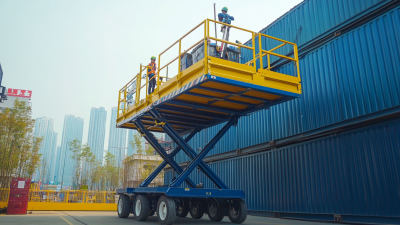
The ANSI A92 standards categorize Mobile Elevating Work Platforms (MEWPs) into specific types. These categories aid in understanding which MEWP is suitable for various job sites. The main groups include Type 1, Type 2, and Type 3. Each type has unique specifications based on design and functionality.
Type 1 includes platforms that are intended for use on smooth, firm surfaces. These units are portable and can be moved with ease. Type 2, however, covers MEWPs designed for rough terrain, emphasizing durability and stability. This type can maneuver on uneven surfaces, offering versatility for outdoor work. Type 3 includes platforms that can operate on various surfaces but typically have specialized features tailored for particular tasks.
Choosing the right MEWP category is crucial. Each type addresses specific safety and operational requirements. It is essential to assess the work environment and potential hazards. Some operators overlook the importance of understanding their chosen equipment fully. This can lead to inefficiencies, or worse, accidents. Regular training and proper inspections remain vital for safe operations. The standards guide users in making informed choices, promoting safety and efficiency in the workplace.
Safety Requirements and Guidelines in Ansi A92 Standards
The ANSI A92 standards lay down essential safety requirements for Mobile Elevating Work Platforms (MEWPs). These guidelines focus on reducing workplace injuries and enhancing operator safety. According to the International Labour Organization, falls from heights account for a significant percentage of workplace fatalities, emphasizing the importance of robust safety measures.
The standards specify design protocols and performance requirements for MEWPs. They include clear guidelines on platform load limits and stability, which help prevent accidents. For instance, operators must check the maximum allowable weight before use. Despite thorough regulations, a 2022 industry report noted that about 25% of MEWP accidents happen due to operator error. This statistic underscores the need for continuous training and adherence to safety protocols.
Moreover, the ANSI A92 standards stress the importance of pre-operation inspections. Operators should check for wear and tear on equipment, ensuring it is safe for use. It’s also important to be mindful of ground conditions where MEWPs will operate. In cases where operators skip these checks, risks increase significantly. Thus, training programs should be regularly updated to incorporate these critical aspects, fostering a culture of safety within the industry.
Training and Qualification Standards for MEWP Operators
Training and qualification standards for Mobile Elevating Work Platforms (MEWPs) are crucial for ensuring safety and efficiency. Proper training addresses both the technical and safety aspects of operating MEWPs. Operators should possess a deep understanding of the equipment's capabilities and limitations. This knowledge helps prevent accidents and equipment misuse. Operators must also learn how to assess job sites and recognize potential hazards. Continuous training is essential, as it reinforces skills and updates operators on new technologies and safety practices.
Qualification standards require operators to demonstrate their skills in real-world situations. This hands-on training must include practical assessments. Trainees should operate MEWPs under supervision, allowing for immediate feedback. Observing trainees helps identify areas needing improvement. This tailored approach ensures that operators become confident and competent. However, the challenge remains in keeping training programs current and effective. Organizations must regularly evaluate their training methods and make adjustments as needed. An outdated training program can lead to serious risks. It's vital to cultivate a culture where ongoing learning is embraced.
Key Features of Ansi A92 MEWP Standards
Inspection and Maintenance Protocols as per Ansi A92 Standards
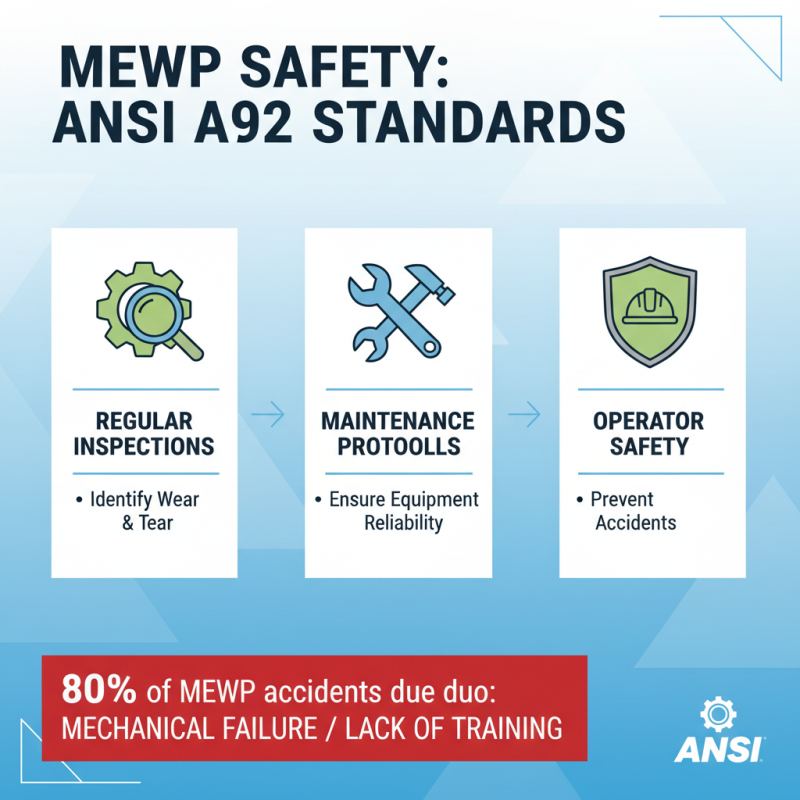
The ANSI A92 standards set forth crucial guidelines for the inspection and maintenance of Mobile Elevating Work Platforms (MEWPs). Compliance with these standards ensures not just equipment reliability but also operator safety. Regular inspections are mandated to identify wear and tear, impacting the overall functionality of these machines. According to a report by the American National Standards Institute, over 80% of MEWP-related accidents stem from mechanical failure or lack of operator training.
Inspections should be conducted daily before use and extended to more comprehensive checks on a monthly basis. These rigorous protocols include examining hydraulic systems, electrical components, and structural integrity. Data indicates that routine maintenance can significantly reduce downtime, with adherence to ANSI standards improving equipment lifespan by nearly 25%.
However, challenges persist in the application of these protocols. Many operators overlook daily checks due to tight schedules. This negligence can lead to increased risks. Furthermore, the industry has noted gaps in training programs, which can hinder workers' understanding of safety measures. Addressing these limitations is essential for fostering a culture of safety and compliance in workplaces using MEWPs.