Top 10 Elevated Work Platform Training Tips for Buyers?

Elevated Work Platform Training is crucial for ensuring workplace safety. As the use of elevated work platforms increases, so does the need for proper training. Buyers must understand the importance of selecting the right training program.

Many organizations overlook the value of comprehensive training. This can lead to accidents and increased costs. Investing in quality Elevated Work Platform Training not only protects workers but also enhances productivity.

It’s essential to evaluate various training options carefully. Not all training programs are created equal. Understanding the specific needs of your workforce will make a significant difference. Consider the experience level of your team and adjust your training approach accordingly.
Top 10 Elevated Work Platform Training Tips for Buyers?

Understanding the Importance of Proper Elevated Work Platform Training
Top 10 Elevated Work Platform Training Tips for Buyers?

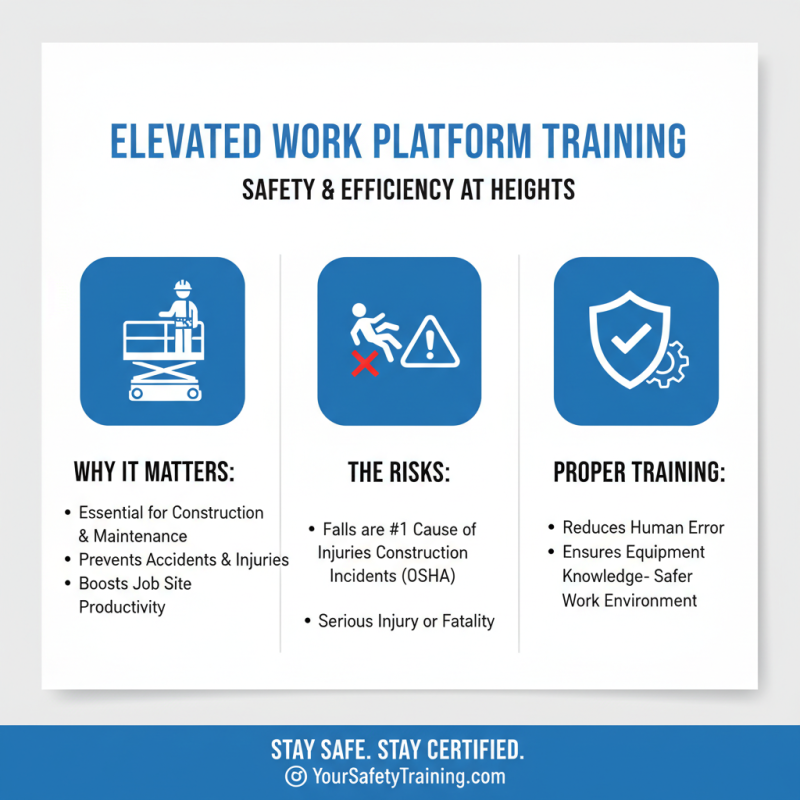
Elevated work platforms (EWPs) are essential in construction and maintenance jobs. Proper training is vital for safety and efficiency. According to a report by the U.S. Occupational Safety and Health Administration (OSHA), falls from heights account for over 30% of construction-related injuries. This statistic underscores the necessity of effective training programs.

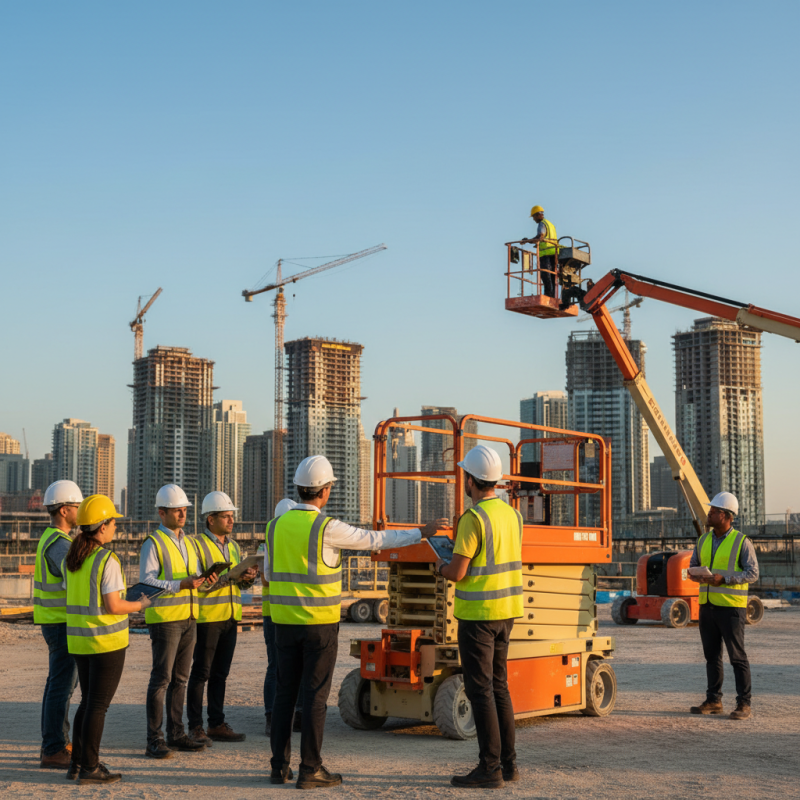
Training should cover various aspects, including equipment operation and hazard recognition. A National Institute for Occupational Safety and Health (NIOSH) study revealed that 72% of workplace accidents are due to insufficient training. Buyers must prioritize programs that blend theory with practical exercises. Real-world simulations enhance muscle memory and decision-making during emergencies.

Despite the growing emphasis on training, many companies fail to implement comprehensive programs. A survey indicated that only 40% of employers provide adequate training for EWPs. This gap serves as a wake-up call. Investing in proper training is more than compliance; it's about safeguarding employees and enhancing productivity on the job site.
Key Regulatory Standards for Elevated Work Platform Training Compliance

When it comes to elevated work platform training, understanding key regulatory standards is crucial. Organizations must comply with regulations set forth by safety agencies. These standards ensure workers are trained effectively to minimize accidents. Compliance not only protects employees but also shields employers from potential liabilities.

Training programs should cover specific operational procedures and safety practices. Workers should learn about inspection requirements and the safe use of equipment. Regulatory bodies stress the importance of hands-on training. Approaching training with a mix of theoretical knowledge and practical skills is essential. This mixture can sometimes be overlooked, leading to a gap in preparedness.

It's common for training sessions to miss critical elements, such as emergency procedures. Evaluating the effectiveness of training programs is necessary. Regular assessments help identify knowledge gaps. Consistent training refreshers can lead to improvements, fostering a culture of safety. Adhering to regulatory standards is not just about compliance; it’s about creating a safer working environment for all.

Essential Features of a Quality Elevated Work Platform Training Program

When considering an elevated work platform training program, focus on the essential features that ensure quality education and safety. One critical aspect is the curriculum strength. It should cover fundamental safety practices, equipment operation, and emergency protocols. Engaging and interactive training often leads to better retention.

Tips for buyers include researching the training provider’s experience. A provider with years of experience brings valuable insights. Look for programs that offer hands-on training opportunities. Real-world practice helps build confidence.

Also, check if the program is updated regularly. Safety standards can change, and training should reflect the latest regulations. Accessibility is crucial too. Make sure the training sessions are convenient and tailored to the learners' needs. Finally, consider feedback from previous participants; their experiences can uncover the program's strengths and weaknesses.

Top 10 Elevated Work Platform Training Tips

This bar chart displays the importance rating of essential features in an elevated work platform training program based on user feedback. The ratings are on a scale from 1 to 10, with 10 being the most important.

Evaluating Trainer Qualifications and Experience in the Industry

When selecting a trainer for elevated work platform training, evaluating their qualifications is crucial. Look for trainers with relevant certifications and hands-on experience in operating platforms. Training without proper credentials can lead to unsafe practices and costly mistakes.

Experience in the industry plays a significant role. A trainer who has worked on varied job sites can share real-world insights. They should understand the challenges operators face daily. So, it’s important to ask about their past roles and the types of platforms they have used.

While qualifications matter, soft skills also contribute to effective training. A knowledgeable trainer may struggle to communicate complex safety concepts simply. Effective training requires not just expertise but also the ability to engage participants. Look for those who encourage questions and discussions. Reflection is key. Consider how the trainer adapts their methods to different learners' needs. A good trainer will recognize that not everyone grasps information the same way, adjusting their approach accordingly.

Top 10 Elevated Work Platform Training Tips for Buyers

Tip Number Training Tip Trainer Qualifications Experience in Industry
1 Verify Certification Certified Trainer with relevant credentials Minimum 5 years of industry experience
2 Check Training Curriculum Curriculum aligns with OSHA standards At least 3 years developing training programs
3 Assess Training Methods Experience using diverse training techniques Background in adult education
4 Look for Hands-on Training Trainers proficient in practical demonstrations Experience in operating various platforms
5 Verify References and Reviews Positive feedback from prior students Well-regarded in local industry
6 Ensure Safety Protocols Knowledgeable in safety regulations Experience in safety management
7 Inquire about Post-Training Support Availability for follow-up questions Proven track record of student satisfaction
8 Consider Customized Training Options Customizable training modules available Experience with various client needs
9 Evaluate Training Duration and Flexibility Flexible scheduling options History of accommodating various schedules
10 Assess Cost vs Value Transparent pricing information Successful training outcomes

Measuring Training Program Effectiveness with Performance Metrics

Top 10 Elevated Work Platform Training Tips for Buyers?

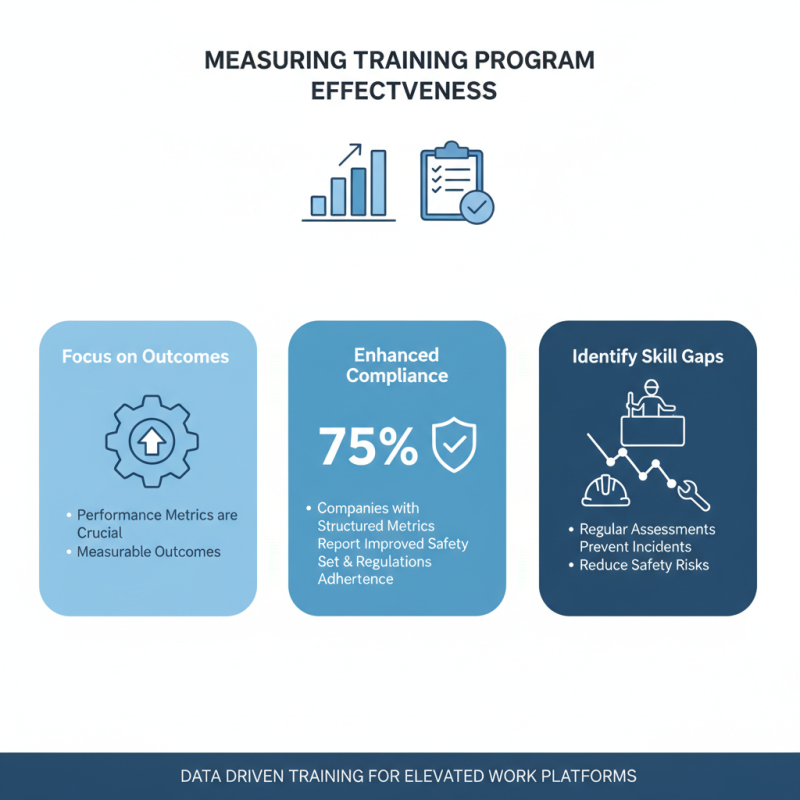
When evaluating elevated work platform training, performance metrics play a crucial role. Effective training programs should focus on measurable outcomes. Data indicates that 75% of companies with structured performance metrics report enhanced compliance. Regular assessments can identify skill gaps in workers. These gaps may lead to safety incidents.

In 2022, the National Safety Council found that organizations with performance metrics experienced 40% fewer accidents on job sites. This is significant. Trainees who participate in continuous assessment programs show 30% higher retention rates. Such statistics highlight the need for ongoing evaluation of training effectiveness.

Moreover, collecting feedback from trainees can provide insights into program strengths and weaknesses. Workers often have valuable input that may not reach decision-makers. Implementing an assessment strategy that integrates employee feedback can lead to improvements. While most training programs show promise, focusing solely on compliance can overlook real-world challenges. Organizations must adapt to ensure safety and operational efficiency.