Top 10 Benefits of Apollo Mast Climbers for Construction?
In the construction industry, efficiency and safety are paramount. Apollo Mast Climbers stand out as a crucial innovation. These devices offer numerous advantages that reshape how we approach building projects. They enhance accessibility for workers and equipment at various heights, streamlining operations significantly.
Apollo Mast Climbers are not just about reaching new heights; they also improve safety measures. Workers experience fewer falls and injuries. This alone can lead to major cost savings for companies. Additionally, these climbers allow for quicker assembly and disassembly, saving valuable time on site.
However, it is important to recognize that Apollo Mast Climbers require proper training and maintenance. Improper use can lead to unforeseen challenges. While they provide impressive benefits, we must remain vigilant about their limitations. Balancing these factors is essential for success in construction projects.

Benefits of Increased Safety Features in Apollo Mast Climbers
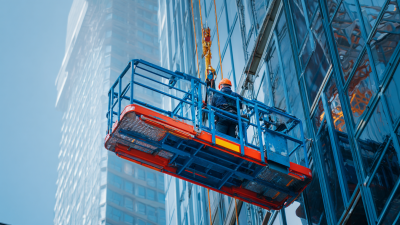
In the construction industry, safety is paramount. Apollo mast climbers come with enhanced safety features that can greatly reduce workplace accidents. These devices equip workers with sturdy platforms for lifting tasks, minimizing falls from heights. The design includes guardrails, anti-slip surfaces, and secure anchoring systems, providing a reliable working environment.
Additionally, these climbers offer adjustable height options. Workers can easily modify the platform's height to suit specific project needs. This flexibility not only improves efficiency but also decreases the risk of awkward movements and overreaching. It's important to note that even with advanced safety features, vigilance is crucial. Workers must still adhere to safety protocols. Misuse can lead to potential accidents, reminding us that no equipment is completely foolproof.
Moreover, maintenance is vital. Regular inspections ensure that safety features remain functional and effective. Neglecting maintenance can turn a reliable tool into a hazard. While the benefits of Apollo mast climbers are substantial, they rely on responsible usage and regular upkeep to truly maximize safety on the job site.
Enhanced Efficiency and Productivity in Construction Operations
In construction, efficiency is key. Apollo mast climbers are known for enhancing speed in building projects. They provide a stable platform for workers, reducing downtime. Workers can access different heights quickly. This consistent access leads to a smoother workflow. Tasks that take hours can be done in minutes.
Mast climbers improve productivity, but challenges exist. Operators must be well-trained. Mistakes can lead to accidents. Communication among team members is vital. If not, confusion can slow progress significantly. Additionally, regular maintenance is necessary to avoid downtime.
The flexibility of mast climbers allows for easy repositioning on site. This adaptability saves time when moving between tasks. However, careful planning is essential. Poor layout can lead to bottlenecks. With thoughtful organization, these climbers truly elevate a worksite’s output. Efficient use is a game changer in construction.
Cost Savings Over Traditional Scaffolding Systems with Apollo Climbers
Construction projects often incur high costs, particularly for scaffolding. Traditional systems can be expensive and time-consuming to set up. Apollos Mast Climbers provide an alternative that cuts down on these expenses. They offer a more efficient solution and reduce labor costs significantly. The ease of installation helps teams save money in the long run.
With mast climbers, you minimize the need for extensive scaffolding materials. This can lead to substantial cost savings. You also avoid ongoing rental fees for traditional scaffolding products. The durable nature of these climbers means they last longer than typical options, further reducing costs.
**Tip:** Always analyze your project needs before choosing a system. Sometimes, a cheap initial choice can lead to higher long-term costs.
**Tip:** Ensure proper training for your team on using the climbers. Misuse can result in accidents and additional expenses.
While mast climbers are efficient, they may require greater initial investment. Evaluate your budget carefully. Is the long-term saving worth the upfront costs? Balancing efficiency with budget constraints can prove challenging. Always consider project sizes and timelines.
Versatility of Apollo Mast Climbers for Various Construction Projects
Mast climbers have transformed the construction landscape. Their versatility adapts to various project needs, making them essential tools. For high-rise buildings, they provide efficient access. A recent report highlights that over 30% of construction companies now utilize mast climbers for their speed and safety.
On commercial sites, mast climbers excel. They support heavy materials, ensuring workers' safety. According to industry studies, these systems can reduce project completion time by 20%. They help streamline workflows. However, choosing the right size and model requires careful planning. Not every project benefits the same way.
Mast climbers are also great for maintenance projects. They allow easy access for inspection or repairs. Their design ensures stability at significant heights. Yet, improper setup can lead to inefficiency or delays. Without proper training, workers may face challenges. Understanding these systems is vital for maximizing their benefits.
Top 10 Benefits of Apollo Mast Climbers for Construction
Reduced Labor Requirements Through Advanced Climbing Technology
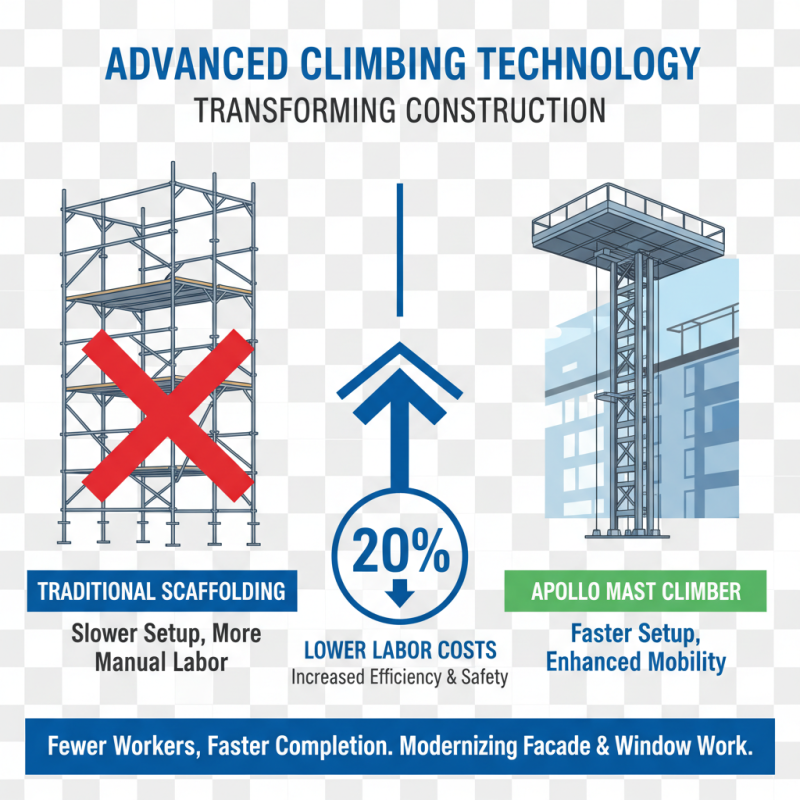
Advanced climbing technology has transformed construction practices significantly. Apollo mast climbers demonstrate how this innovation can reduce labor requirements on job sites. According to recent industry reports, the effective use of this technology can lower labor costs by approximately 20% compared to traditional scaffolding methods. This reduction stems partly from the rapid setup and mobility features of these systems. Crews can now complete tasks like facade work or window installation more efficiently, with fewer workers needed on the ground.
Furthermore, the safety profile of mast climbers contributes to labor efficiency. A study by the Occupational Safety and Health Administration (OSHA) highlighted that improved safety measures can lead to a 25% decrease in incidents on construction sites. Reducing accidents not only promotes worker safety but also allows for better resource allocation. Fewer workers miss shifts due to injuries, maintaining project momentum and minimizing delays.
However, transitioning to advanced equipment is not without challenges. Workers may require additional training to adapt to new technologies. Some crews might resist change due to unfamiliar operating procedures. Balancing the need for modernization with worker comfort is a crucial aspect that requires ongoing evaluation. Adopting advanced climbing technology can lead to significant benefits, but companies must remain vigilant about addressing workforce concerns.