Essential Tips for Safe Use of Elevated Work Platforms in Construction
The construction industry often requires workers to perform tasks at significant heights, making Elevated Work Platforms (EWPs) an essential tool in ensuring efficiency and safety on job sites. These platforms, designed to elevate personnel, materials, and equipment, are invaluable for tasks ranging from building maintenance to construction projects. However, the use of EWPs also presents a unique set of risks that necessitate careful attention and adherence to safety protocols.
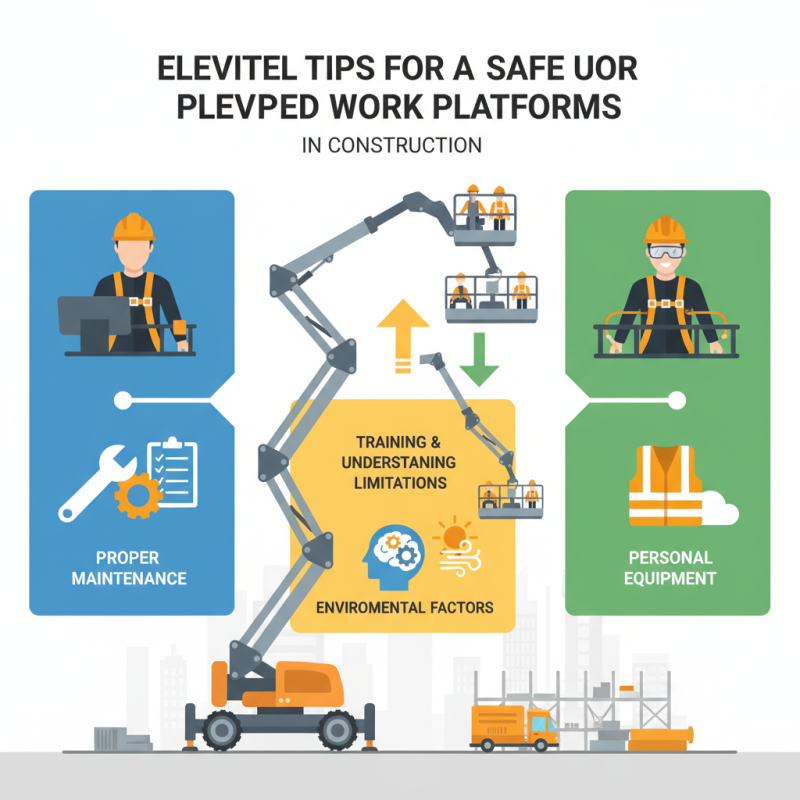
To navigate these challenges effectively, it is crucial for both employers and employees to prioritize safety measures and training. Understanding the capabilities and limitations of different types of Elevated Work Platforms can significantly mitigate potential hazards. Awareness of best practices when operating these platforms—including proper maintenance, the importance of personal protective equipment, and recognizing environmental factors—will not only enhance safety but also promote a culture of vigilance among construction professionals. By equipping workers with essential tips for the safe use of EWPs, we can foster a safer and more productive work environment in the construction sector.
Understanding Elevated Work Platforms and Their Applications
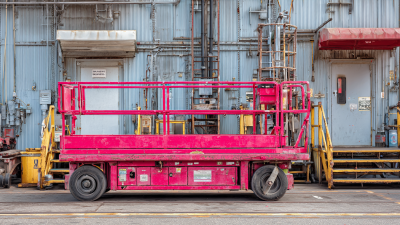
Elevated Work Platforms (EWPs) are essential tools in the construction industry, providing a safe and efficient means to access heights for various tasks such as installation, maintenance, and inspection. According to the Occupational Safety and Health Administration (OSHA), the use of such platforms can significantly reduce the risks associated with working at elevated heights, as they are designed to safely accommodate workers and their tools. EWPs come in various forms, including scissor lifts, boom lifts, and aerial work platforms, each serving specific operational needs. The choice of platform often depends on the nature of the task, the height required, and the surrounding environment.
In a report by the American National Standards Institute (ANSI), it was found that proper training and adherence to safety protocols significantly decrease accidents and injuries related to elevated work. In fact, workplaces implementing structured training programs experienced a 30% reduction in incidents involving EWPs. Additionally, the National Institute for Occupational Safety and Health (NIOSH) highlights that using a suitable EWP tailored to the job's demands not only increases productivity but also enhances overall workplace safety. This emerging trend of integrating EWPs into construction operations underscores the importance of understanding their capabilities and limitations, ensuring that workers can achieve their tasks efficiently while minimizing health risks.
Essential Tips for Safe Use of Elevated Work Platforms in Construction
Safety Regulations and Standards for Elevated Work Platforms
The use of elevated work platforms (EWPs) in construction activities has become increasingly prevalent due to their efficiency and effectiveness in accessing high or difficult locations. However, safety regulations and standards play a crucial role in ensuring the well-being of workers. According to the Occupational Safety and Health Administration (OSHA), falls remain one of the leading causes of fatalities in the construction industry, responsible for approximately 33% of deaths in this sector. To mitigate risks, it is essential for employers to adhere to established guidelines, including proper training and certification for operators, as outlined in standards such as ANSI/SIA A92.
Furthermore, the implementation of robust maintenance practices is critical for the safe operation of EWPs. The American National Standards Institute (ANSI) stresses the importance of regular inspections and maintenance protocols, which should occur before and after each use and be documented thoroughly. Reports indicate that nearly 70% of EWP-related incidents stem from mechanical failure or operator error, underscoring the necessity for compliance with manufacturer recommendations and industry standards. By prioritizing safety regulations and maintaining stringent operational practices, the construction industry can significantly reduce workplace hazards associated with elevated work platforms.
Essential Pre-Use Inspections and Maintenance Procedures
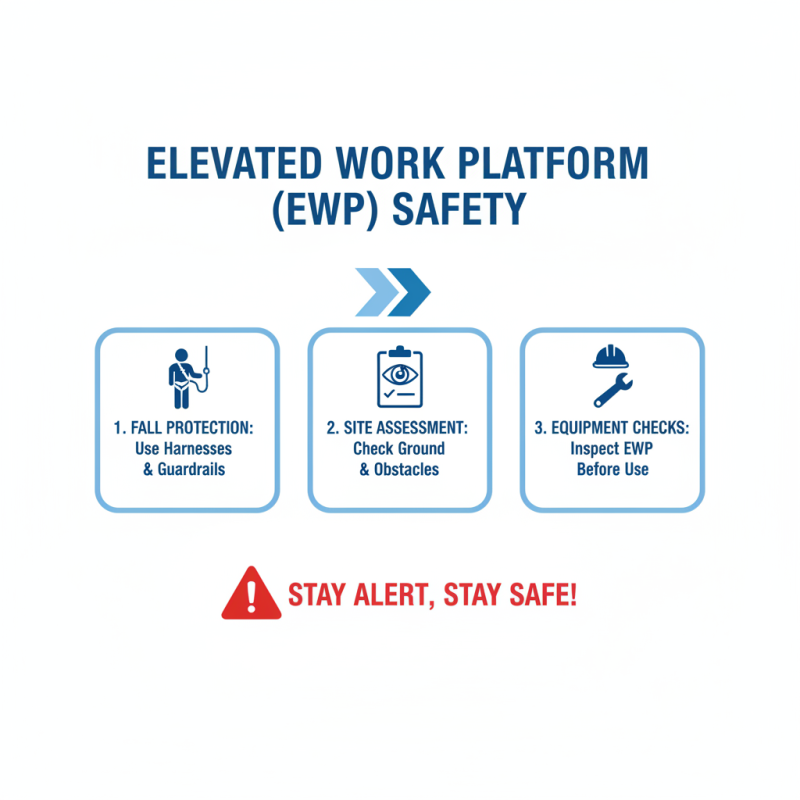
Before using elevated work platforms (EWPs) in construction, conducting thorough pre-use inspections and maintenance is paramount to ensure safety. Begin by checking the platform's integrity, including the structural components, control systems, and emergency devices. Look for any signs of wear and tear, such as rust or cracks, which could compromise the equipment's stability. Also, inspect the hydraulic systems for leaks and ensure that safety features, like guardrails and brakes, are functional.
Regular maintenance is crucial for the longevity and safe operation of EWPs. Schedule routine servicing according to manufacturer guidelines and replace any worn or damaged parts immediately. Keep a detailed maintenance log that records all inspections and repairs, which not only aids in compliance but also helps identify any recurring issues that could pose risks.
**Tips:** Always ascertain that operators are trained and familiar with the specific model of EWP being used. Additionally, establish a site-specific safety plan that includes protocols for weather conditions and load limits, ensuring that all team members understand their roles in maintaining a safe working environment.
Fall Protection Measures While Using Elevated Work Platforms
When using elevated work platforms (EWPs) in construction, implementing robust fall protection measures is crucial for ensuring the safety of workers. The potential risks associated with working at height cannot be overstated. It is essential to assess the site and identify potential hazards before commencing any work. This includes ensuring that the ground is stable and that overhead obstructions are clear.
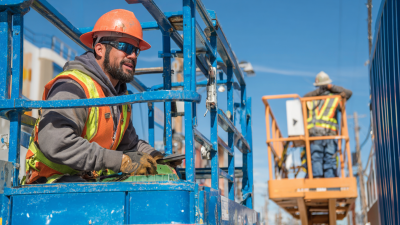
One vital tip is to always wear appropriate personal protective equipment (PPE) such as safety harnesses, hard hats, and non-slip footwear. A safety harness, properly secured to the EWP, can significantly reduce the risk of falls. Regular training sessions should be conducted to educate workers on the proper use of fall protection systems and the specific features of the EWP they will be using.
Additionally, ensuring that all workers are aware of the potential dangers related to working from heights can drastically improve on-site safety. Setting up barriers and using guardrails when possible can provide an extra layer of protection. It’s also important to have a clear communication protocol among workers operating the EWP and those on the ground, to coordinate movements and ensure everyone's safety during operations.
Training Requirements for Operators of Elevated Work Platforms
Training is a critical component for ensuring the safe operation of elevated work platforms (EWPs) in construction settings. Operators must understand the various types of platforms, including their functionalities and the specific hazards associated with their use. Comprehensive training programs should cover not only the mechanical operation of EWPs but also focus on site-specific safety protocols, including fall protection measures and emergency procedures. This knowledge enables operators to recognize potential risks and react appropriately, contributing to a safer work environment.
Moreover, training should be regularly updated to keep operators informed about the latest safety regulations and best practices. Hands-on training sessions that simulate real-life scenarios can enhance an operator’s ability to manage unexpected situations effectively. Certification processes are essential; they ensure that operators possess the necessary skills and knowledge to operate elevated work platforms safely. Continuous education and refresher courses should be encouraged to maintain high safety standards and reduce the likelihood of accidents on construction sites.
Essential Tips for Safe Use of Elevated Work Platforms in Construction - Training Requirements for Operators of Elevated Work Platforms
| Training Topic |
Description |
Duration (Hours) |
Certification Requirement |
| Introduction to Elevated Work Platforms |
Overview of types and uses of elevated work platforms |
2 |
None |
| Safety Regulations and Standards |
Understanding OSHA and ANSI requirements |
3 |
None |
| Pre-Use Inspection |
How to inspect equipment before use |
1 |
None |
| Safe Operating Procedures |
Best practices for operating elevated work platforms |
4 |
Yes |
| Emergency Protocols |
Responding to emergencies and rescues |
2 |
Yes |
| Hands-On Training |
Practical use of the equipment under supervision |
4 |
Yes |