Top 10 Mobile Elevated Work Platform Training Tips for Safety Success?

In the realm of construction and maintenance, safety is paramount, especially when working at heights. Mobile Elevated Work Platform Training is essential for ensuring workers can operate equipment safely. According to John Smith, a renowned expert in the field, "Proper training can prevent accidents and save lives." His insights emphasize the critical nature of thorough training programs.

The sky is literally the limit with Mobile Elevated Work Platforms. These machines provide elevation needed for various tasks, yet they also pose risks if not handled correctly. Effective training equips operators with the skills to manage potential hazards. From understanding equipment controls to recognizing environmental factors, every detail matters.

Moreover, the significance of hands-on experience cannot be overlooked. Classroom learning must be supplemented with practical application. It's not just about passing a test; it's about building a culture of safety. Reflection on past incidents can help develop better training methods. As the industry evolves, continuously updating training protocols is necessary to keep everyone safe.
Top 10 Mobile Elevated Work Platform Training Tips for Safety Success?

Understanding Mobile Elevated Work Platforms (MEWPs) and Their Uses

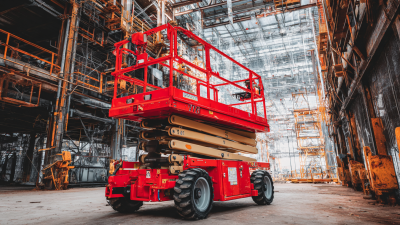
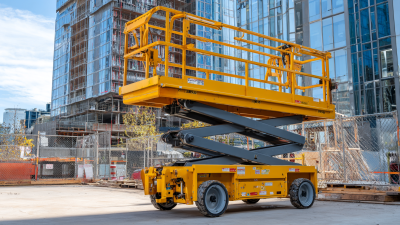
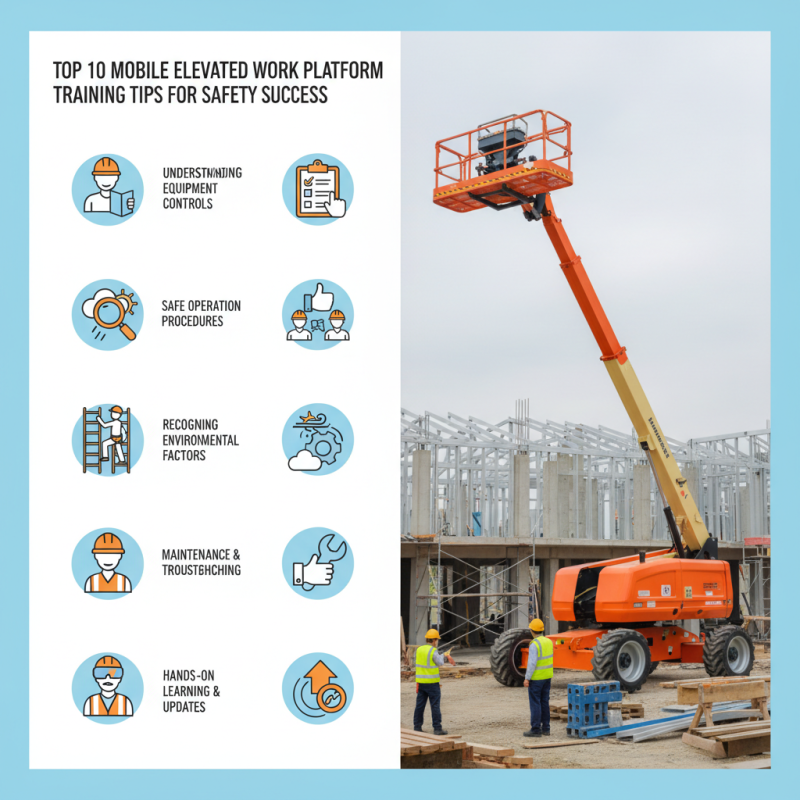
Mobile Elevated Work Platforms (MEWPs) are essential tools in various industries. They enable workers to access elevated areas safely. MEWPs come in different types, like scissor lifts and boom lifts. Understanding their unique functions is crucial for safety.

One vital tip is to conduct a thorough risk assessment before use. Identify potential hazards in your work environment. Ensure that the MEWP you choose is suitable for the specific task. Training operators on these platforms is equally important. Only trained personnel should operate MEWPs. This reduces accidents and enhances safety.

Another tip involves maintaining clear communication among team members. Use hand signals or radios to convey messages. Always have a spotter to assist the operator. Regular maintenance of MEWPs is also key. Check for mechanical issues regularly to avoid failures during use. Remember that safety is everyone's responsibility.

Top 10 Mobile Elevated Work Platform Training Tips for Safety Success

Tip Number Training Tip Description Importance
1 Know Your MEWP Understand the specific type and capabilities of the MEWP you are using. Critical for safe operation.
2 Pre-Use Inspection Conduct a thorough inspection before use to identify any issues. Ensures equipment safety.
3 Use Safety Gear Always wear appropriate personal protective equipment (PPE). Essential for worker safety.
4 Training and Certification Ensure all operators are properly trained and certified on MEWPs. Legal requirement in many jurisdictions.
5 Understand the Surroundings Be aware of the overhead and ground conditions before operating. Prevents accidents.
6 Load Limits Never exceed the load capacity of the MEWP. Critical for stability.
7 Right Weather Conditions Avoid using MEWPs in high winds or poor visibility. Enhances safety.
8 Emergency Procedures Know the emergency procedures related to MEWP operation. Vital for quick response during incidents.
9 Communication Maintain clear communication with ground personnel while working. Important for coordination and safety.
10 Post-Use Inspection Inspect MEWP after use for maintenance needs. Helps in the longevity of equipment.

Key Safety Regulations and Standards for MEWP Operation

Top 10 Mobile Elevated Work Platform Training Tips for Safety Success?

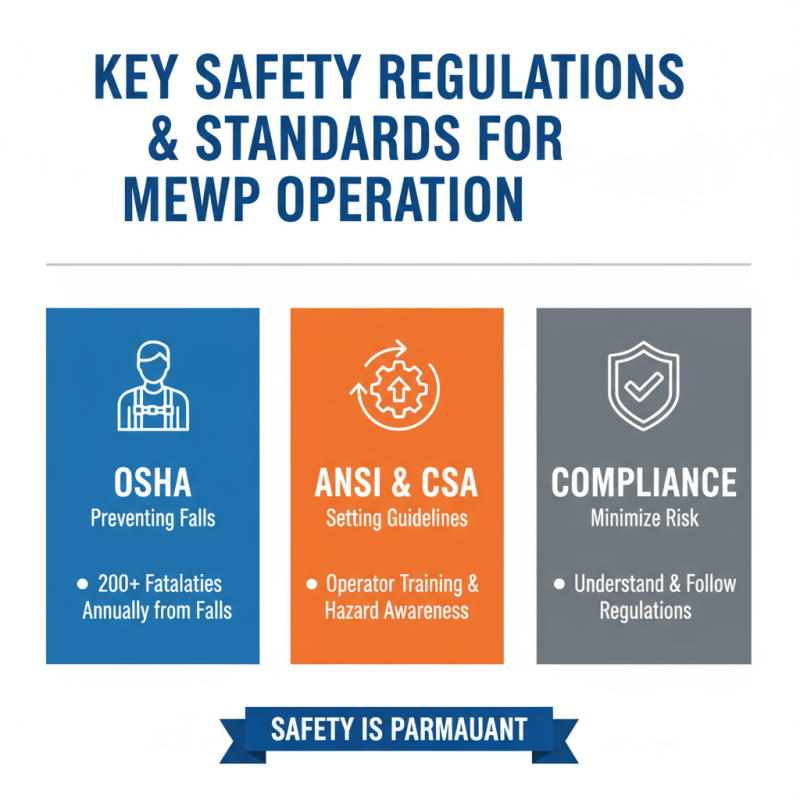
When operating Mobile Elevated Work Platforms (MEWPs), adhering to safety regulations is crucial. According to OSHA, around 200 fatalities occur annually due to falls from heights. This raises the importance of compliance with key safety standards like ANSI and CSA. These organizations set forth guidelines that ensure operators are trained and aware of potential hazards. Operators must understand these regulations to minimize risk.

Training should cover specifics like load capacities and proper site inspection techniques. A report by the International Powered Access Federation indicates that around 40% of MEWP accidents occur due to improper use. This suggests a gap in training or awareness. Operators need access to updated training resources to understand these nuances fully. Regularly reviewing safety protocols can highlight areas for improvement and reinforce best practices.

Documentation is another critical aspect. Keeping clear records of training sessions and inspections helps ensure accountability. According to the National Safety Council, programs that enforce consistent documentation see a drop in workplace injuries by over 30%. This underscores the need for operators to maintain thorough records and embrace ongoing education. Engaging in this continuous learning protects workers and enhances the safety culture within organizations.

Essential Components of MEWP Training Programs and Curriculum

Effective Mobile Elevated Work Platform (MEWP) training programs focus on essential components that enhance safety and operational efficiency. The curriculum should include thorough theoretical instruction. Participants need to understand the mechanics and safe operation of MEWPs. Classroom activities can engage learners and emphasize key safety protocols. Interactive discussions on past incidents could highlight the importance of safety measures.

Hands-on training is essential. Practicing in a controlled environment allows operators to test their skills. Real-life scenarios can prepare them for potential hazards. Regular assessments should be part of the program. They ensure that operators understand the material and can apply it effectively. Training should also include risk assessment techniques. Operators need to learn how to identify and manage risks before operating a MEWP. It is critical for promoting a safety-first culture.

Incorporating feedback is vital. Trainees should feel comfortable sharing their experiences. Instructors must reflect on this input to improve the training plan continually. This iterative approach ensures that the curriculum stays relevant and addresses emerging challenges in MEWP operations. It is not enough to have a static program; ongoing revisions are necessary for true effectiveness.

Risk Assessment Strategies for MEWP Worksite Safety

Risk assessments are crucial for Mobile Elevated Work Platforms (MEWPs) to ensure safety on job sites. A study from the National Institute for Occupational Safety and Health (NIOSH) indicates that around 80% of MEWP-related fatalities arise from inadequate risk assessments. This statistic emphasizes the need for thorough evaluations before beginning any work.

During risk assessments, consider both the work environment and equipment condition. Environmental factors, such as weather conditions and proximity to overhead hazards, play a vital role. According to the Occupational Safety and Health Administration (OSHA), approximately 25% of MEWP accidents can be linked to weather-related challenges. Evaluating these factors can reduce potential risks.

Moreover, training workers on identifying risks is essential. A report by the International Institute for Accident Investigation shows that 70% of operators lacked proper training before an accident occurred. Establishing a structured training program can greatly enhance worker awareness. Reflection on past incidents within your operation can also promote a culture of continuous improvement in safety practices. Regular reviews of risk assessment protocols should become a standard operating procedure.

The Role of Hands-On Training and Simulation in MEWP Proficiency

Hands-on training is crucial in mastering Mobile Elevated Work Platforms (MEWPs). Real-world practice builds proficiency and confidence. Operators get to navigate various scenarios, enhancing problem-solving skills. Engaging directly with the equipment goes beyond theoretical knowledge. It allows trainees to explore machine controls and understand their limits.


Simulation can also play a key role. Virtual training systems replicate the complexities of MEWPs in a safe environment. Trainees can practice critical maneuvers without the risk of real-world accidents. However, dependence on simulation alone may fall short. It’s essential to recognize that nothing can replace actual experience.


Reflecting on training approaches is important. Some programs lack adequate hands-on components. Operators might then feel unprepared in real settings. Incorporating realistic scenarios can improve the overall training experience. Continuous feedback from trainers can also highlight areas needing improvement. Emphasizing a comprehensive training strategy ensures better outcomes in safety and efficiency.