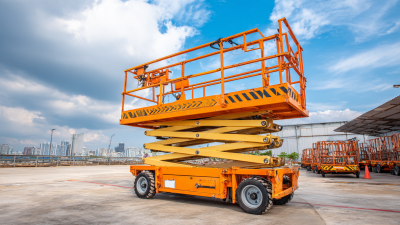
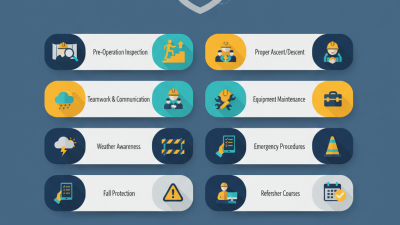
What is Mobile Elevated Work Platform Training and Why is it Important?
Mobile Elevated Work Platform Training is essential in today’s workplaces. It ensures safety and efficiency when operating equipment like aerial lifts and scissor lifts. Workers who receive this training learn vital skills to prevent accidents. They understand the potential hazards associated with elevated work.
Effective training programs cover topics such as equipment operation, safety protocols, and risk assessment. Participants gain hands-on experience and theoretical knowledge. However, even trained operators can make mistakes. They may overlook safety checks or misjudge their surroundings. Such oversights can lead to serious consequences.
Engaging in Mobile Elevated Work Platform Training promotes a culture of safety. It prepares employees to make informed decisions. Awareness of potential pitfalls can enhance their ability to work safely at heights. Continuous training is necessary, as it reminds workers of best practices. Moreover, it encourages reflection on past incidents and learning from them.
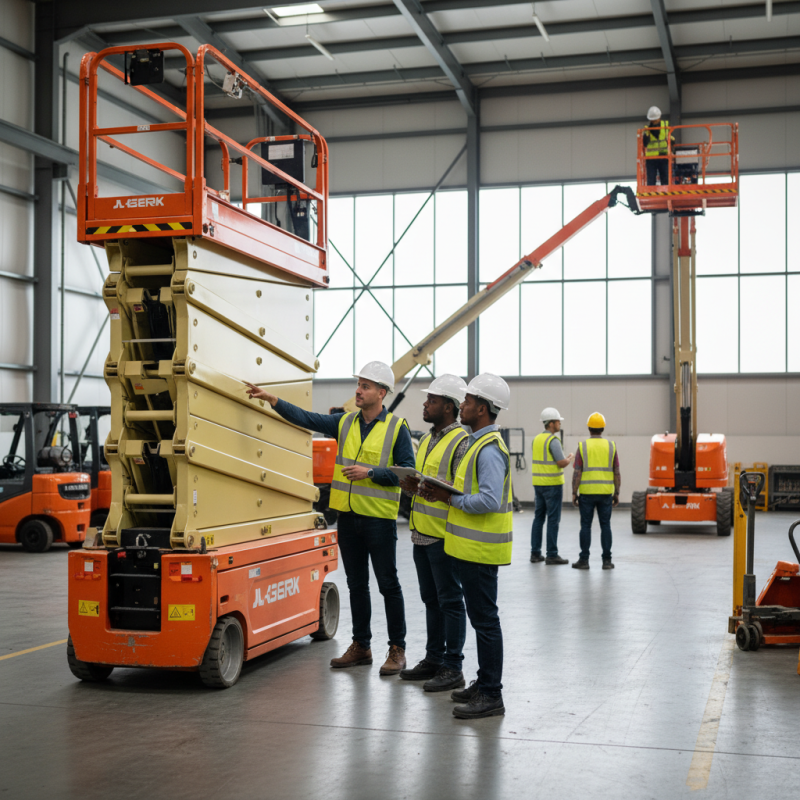
What is a Mobile Elevated Work Platform (MEWP)?
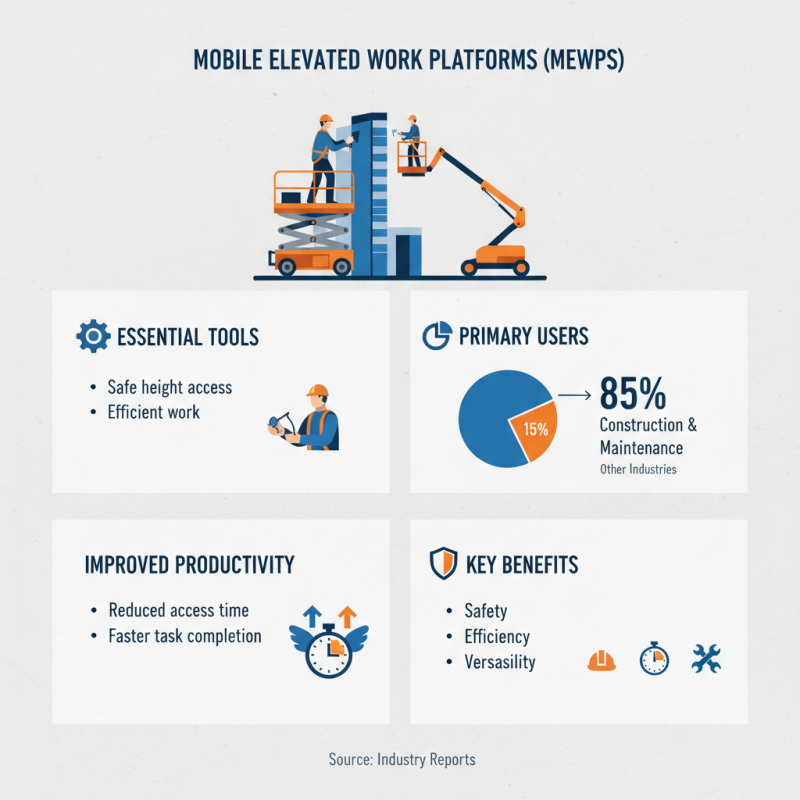
Mobile Elevated Work Platforms (MEWPs) are essential tools in various industries. They enable workers to reach heights safely and efficiently. Reports indicate that about 85% of workers who use MEWPs are involved in construction or maintenance activities. These platforms improve productivity by reducing the time needed to access high work areas.
However, the use of MEWPs requires careful attention to safety. In 2022, the Occupational Safety and Health Administration (OSHA) reported a rise in accidents involving MEWPs. Many incidents stem from improper training or lack of awareness. Workers must understand how to operate these platforms effectively. Proper training can mitigate risks and ensure compliance with safety regulations.
MEWPs come in various types, such as scissor lifts and boom lifts. Each type has unique features suited for different tasks. It's crucial for operators to recognize their specific machine's capabilities and limitations. A survey indicated that only 40% of users felt fully confident in their MEWP operation skills. This highlights the need for ongoing education and training.
Key Components of Mobile Elevated Work Platforms
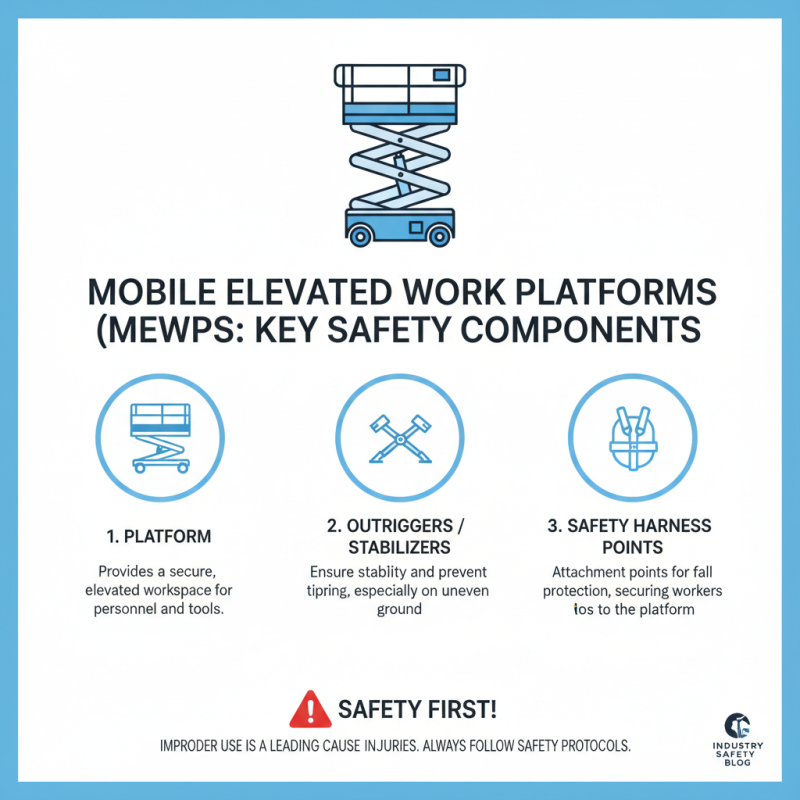
Mobile Elevated Work Platforms (MEWPs) are essential tools in various industries, including construction and maintenance. Understanding their key components is crucial for safe operation. MEWPs include features such as platforms, outriggers, and safety harness points. Each plays a role in ensuring worker safety at heights. According to industry reports, improper use of MEWPs accounts for a significant percentage of work-related injuries.
The platform itself should have a non-slip surface. This design minimizes the risk of accidents. Outriggers stabilize the equipment. However, many operators forget to deploy them properly. An alarming report from the Occupational Safety and Health Administration (OSHA) indicated that about 50% of MEWP-related accidents occur due to improper setup.
Tips: Always inspect MEWPs before use. Check for any visible damage and ensure all components function correctly. Workers should wear the appropriate safety gear, including helmets and harnesses. Training is vital. Nearly 70% of accidents stem from insufficient training. Regular refreshers can reinforce safe practices.
Operators should be aware of their surroundings. Many incidents happen due to distraction or lack of attention. The statistics reveal that awareness can reduce risks significantly. Always communicate with team members when working at height. Effective communication enhances safety and efficiency.
Importance of Mobile Elevated Work Platform Training
Mobile Elevated Work Platforms (MEWPs) are essential in various industries. Proper training significantly impacts both safety and efficiency. Many accidents occur due to inadequate training. Workers need to understand how to operate MEWPs safely. This is crucial for preventing injuries and ensuring a safe workplace.
Tips: Always inspect the equipment before use. Check for any visible damage or defects. A simple checklist can save lives. Also, remember the importance of communicating with your team. Ensure everyone is aware of the work being done.
Training should include hands-on experience. Workers must practice using MEWPs under supervision. Observing experienced operators is a key learning tool. They can share insights on navigating challenging situations. However, not all training sessions are effective. Some may skip crucial safety discussions. This can lead to negligence on the job.
Tips: Encourage feedback during training. This can highlight gaps in knowledge. Regularly refresh training to keep skills sharp. Real-life scenarios can strengthen responses to unexpected challenges. Always strive for improvement in safety protocols.
Safety Standards and Regulations for MEWP Operations
Mobile Elevated Work Platforms (MEWPs) are essential for many construction and maintenance tasks.
However, their operation must adhere to strict safety standards and regulations.
In many regions, operators are required to complete training. This ensures that they understand how to manage risks associated with MEWP use.
Safety regulations often focus on operator competency. Trained operators are familiar with safety protocols and emergency procedures.
They learn how to inspect equipment before use. Regular inspections help prevent accidents.
It’s frustrating sometimes when a simple procedure is overlooked. Such oversights can lead to serious consequences.
Moreover, regulations regarding MEWP operation vary by location. Local laws may impose additional training requirements.
This adds complexity for companies operating in multiple regions. Employees may struggle to keep up with different standards.
A lack of consistency can lead to safety gaps. Vigilance in training and compliance is crucial.
Regular updates and refresher courses are necessary, though they might seem tedious at times.
These efforts can significantly improve overall workplace safety.
Best Practices for MEWP Operation and Maintenance
Mobile Elevated Work Platforms (MEWPs) are essential for various tasks in construction and maintenance. Proper operation and maintenance of MEWPs ensure safety and efficiency. Operators need to be well-trained. However, many overlook routine checks. A surprising number of incidents occur due to negligence in this area.
Best practices for MEWP operation include keeping a clear workspace. Clutter can lead to accidents. Operators should ensure all safety features are functional. Regular inspections and maintenance schedules are crucial. Some operators might skip or rush these tasks. This can result in dangerous situations. Always check for leaks, battery levels, and mechanical wear.
After training, ongoing education is vital. Workers should participate in refresher courses. This keeps their skills sharp and awareness high. Communication among team members is essential during operation. Many accidents happen when signals are unclear. Regular meetings to discuss safety updates can help address this issue. Each operator must take responsibility to contribute to a safer work environment.
What is Mobile Elevated Work Platform Training and Why is it Important? - Best Practices for MEWP Operation and Maintenance
| Training Aspect |
Importance |
Best Practice |
| Understanding MEWP Types |
Ensures operators are aware of the specific functionalities and limitations of each type. |
Provide detailed training on different MEWP models used in the workplace. |
| Safety Procedures |
Reduces the risk of accidents and injuries during operation. |
Regularly review and practice safety protocols and emergency procedures. |
| Maintenance Knowledge |
Ensures the longevity and efficient operation of the equipment. |
Implement routine inspection and maintenance schedules. |
| Load Capacity Awareness |
Prevents overloading, which can cause equipment failure or accidents. |
Instruct operators on load limits and the importance of adhering to them. |
| Environmental Considerations |
Mitigates risks from environmental factors that can affect operation. |
Train operators to assess weather and ground conditions prior to operation. |