How to Get Certified in Mobile Elevated Work Platform Training in 2025
As the demand for skilled workers in various industries continues to grow, obtaining proper certification has become increasingly important, especially in specialized fields like Mobile Elevated Work Platform Training. In 2025, ensuring safety and efficiency in workplace environments that utilize aerial work platforms will be a top priority for employers and employees alike. This training is essential for individuals seeking to operate these machinery safely, minimizing risks and enhancing productivity on job sites.
Mobile Elevated Work Platform Training not only equips trainees with the necessary skills to operate various types of elevated platforms safely but also familiarizes them with the relevant safety regulations and best practices. As companies strive to comply with evolving safety standards and regulations in the workplace, gaining certification in this area becomes a critical step for anyone looking to advance their career in construction, maintenance, and other related fields. With proper training and certification, operators can ensure that they are equipped with the knowledge to manage potential hazards effectively and contribute to a safer work environment.
In the following sections, we will explore the key steps involved in obtaining certification in Mobile Elevated Work Platform Training, including the prerequisites, available training programs, and tips for successfully passing the certification exam. As we delve into this topic, it will become clear that investing in this training is not just about compliance; it is also about enhancing one's skill set and future career opportunities.
Understanding Mobile Elevated Work Platforms and Their Uses
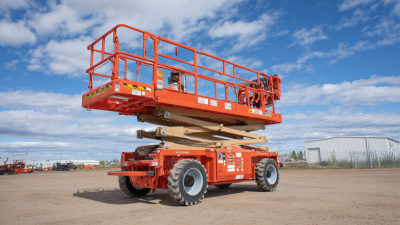
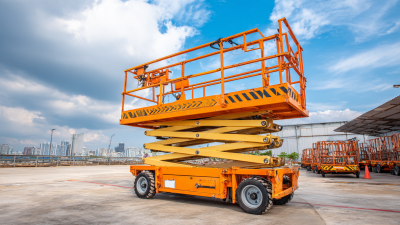
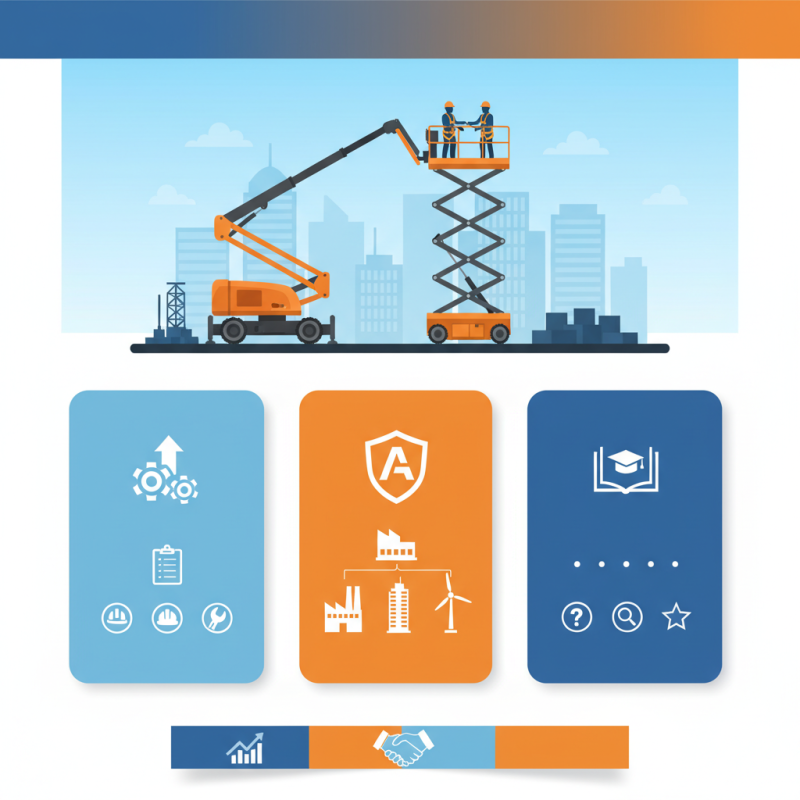
Mobile Elevated Work Platforms (MEWPs) are essential tools in various industries, providing workers with the ability to safely access elevated work areas. These platforms are commonly used in construction, maintenance, and events management, where tasks often require personnel to work at heights that are difficult to reach using traditional ladders or scaffolding. MEWPs come in various forms, including boom lifts, scissor lifts, and vertical lifts, each designed to cater to specific operational needs.
The versatility of MEWPs makes them invaluable for tasks such as installing lighting and electrical systems, conducting repairs, and performing inspections on large structures. They can often be maneuvered in tight spaces, making them suitable for both indoor and outdoor applications. Understanding the operational characteristics, safety protocols, and best practices associated with MEWPs is crucial for workers to maximize efficiency and minimize accidents on the job site. Training programs typically cover the types of MEWPs, their operational features, and essential safety measures, ensuring that operators are well-prepared to use these platforms responsibly and effectively.
Importance of Certification for Mobile Elevated Work Platform Training
Certification in Mobile Elevated Work Platform (MEWP) training is crucial for ensuring the safety and efficiency of workers who operate equipment like aerial lifts and scissor lifts. In 2025, as industries continue to evolve and adapt to new safety standards, the importance of obtaining certification becomes even more pronounced. This certification not only validates the skills and knowledge of the operator but also serves as a fundamental step in promoting a culture of safety within the workplace.
Moreover, certification is often a requirement for employment in construction, maintenance, and other industries that utilize MEWPs. Employers prioritize certified operators to minimize the risks associated with elevated work, such as accidents or injuries. Beyond legal compliance, having certified personnel on site can improve operational efficiency and reduce insurance costs, as training reduces the likelihood of incidents. Thus, investing in certification is not just beneficial for individual operators, but also for employers looking to create a secure and productive work environment.
Steps to Obtain Certification in Mobile Elevated Work Platform Training
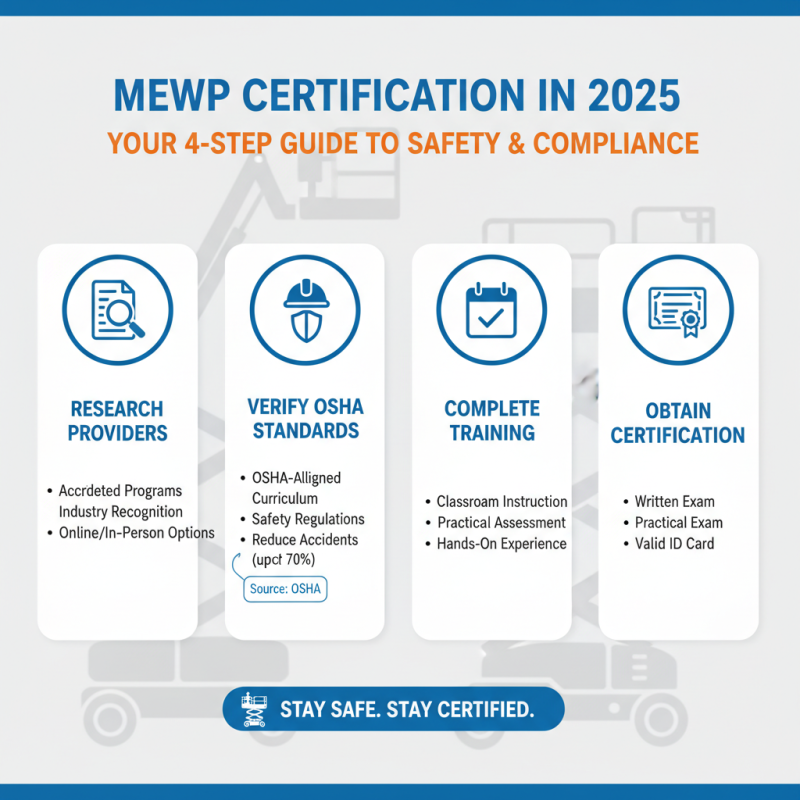
When considering how to obtain certification in Mobile Elevated Work Platform (MEWP) training in 2025, it's crucial to follow a structured approach to ensure compliance with industry standards and safety regulations. The first step is to research recognized training providers that offer accredited MEWP programs. According to the Occupational Safety and Health Administration (OSHA), proper training can reduce workplace accidents by up to 70%. Thus, selecting a certified program that aligns with OSHA standards is essential for enhancing both personal safety and job competence.
Once potential training providers have been identified, aspiring candidates should enroll in a course that combines theoretical knowledge with practical application. These programs typically cover topics such as equipment operation, safety protocols, and emergency procedures. The industry's move towards embracing technological advancements means that many providers now offer digital training tools, which can enhance the learning experience. According to a report by the International Institute of Risk and Safety Management, organizations that implement comprehensive training programs are likely to see a 30% increase in operational efficiency. After completing the course, participants will need to pass a competency assessment to receive their certification, ensuring that they are fully prepared to operate MEWPs safely and effectively in real-world scenarios.
Choosing the Right Training Program for Certification
When seeking certification in Mobile Elevated Work Platform (MEWP) training, selecting the right program is crucial for ensuring safety and competency in elevated work. A quality training program should be comprehensive, covering essential topics such as equipment operation, safety regulations, and emergency procedures. Look for programs that are accredited by recognized organizations, as this can add credibility and assurance of quality.
Tips for choosing the right training program include researching the qualifications of the instructors, as experienced trainers can provide valuable insights and real-world knowledge. Additionally, consider the format of the training offered—whether it's in-person, online, or a hybrid model—so you can select one that suits your learning style best. Ensure the program includes practical, hands-on training in real equipment, as this is vital for gaining the necessary skills and confidence to operate MEWPs safely.
Finally, evaluate the course length and content to make sure it meets your needs. Some programs may offer advanced training for experienced operators, while others might focus on the fundamentals. Always read reviews and testimonials from past participants to gauge the effectiveness and relevance of the training provided. Choosing a program that aligns with your skill level and future goals can significantly enhance your proficiency and safety in using MEWPs.
Preparing for the Certification Exam and Practical Assessment
Preparing for a Mobile Elevated Work Platform (MEWP) certification exam and practical assessment requires a strategic approach to ensure competency and safety in operating these platforms. According to industry reports, the demand for trained operators continues to grow, with a projected increase of 15% in job opportunities within the construction sector by 2025. This makes obtaining a MEWP certification essential for career advancement and safety compliance in various industries.
To effectively prepare for the certification exam, it's crucial to familiarize yourself with the specific types of MEWPs you will be assessed on. Engage in thorough study sessions focusing on safety regulations, operation protocols, and emergency procedures associated with the equipment. Practical assessments often include real-world scenarios, so consider engaging in hands-on training with a qualified instructor to reinforce your understanding of the equipment’s operation.
Tips: Practice mock exams and quizzes to gauge your knowledge and identify areas needing improvement. Leverage online resources and forums where experienced operators share their insights. Additionally, stay updated with the latest safety standards published by industry organizations to ensure your knowledge aligns with current requirements. This proactive approach will not only help you pass the certification but also enhance your overall skills and confidence in using MEWPs effectively.