Why Choose Mast Scaffold for Your Next Construction Project?
In the competitive world of construction, choosing the right scaffolding solution is crucial. Mason Greene, a scaffolding expert, emphasizes, “Mast Scaffold offers unmatched efficiency and safety.” This statement underscores the value of Mast Scaffold in various construction projects.
Mast Scaffold provides a stable support system, allowing workers to reach great heights safely. Its design enables quick assembly and disassembly, saving both time and labor costs. However, not all projects might require this type of scaffold. Some contractors may prefer traditional scaffolding for smaller jobs, risking inefficiency in larger ones.
Using Mast Scaffold can enhance productivity considerably. Yet, there are dilemmas to consider. Initial costs may seem high compared to other options. Exploring the long-term benefits is essential. Ultimately, the decision should be influenced by the project scope and requirements. Choosing Mast Scaffold could be a game changer, provided the project justifies the investment.

Benefits of Choosing Mast Scaffold for Construction Projects
Mast scaffold
offers numerous benefits for construction projects. Its design allows for easy assembly, making setup quick and efficient.
This type of scaffold provides a stable working platform, enhancing safety on-site.
Workers can access high areas without compromising security.
Additionally, mast scaffold is versatile and can adapt to various project sizes.
It can accommodate different building shapes, which is essential for diverse architectural designs.
The materials used are typically lightweight yet strong, ensuring durability over time.
However, it's crucial to ensure proper maintenance to avoid wear and tear.
Building sites can be chaotic, and sometimes things go wrong.
Miscommunication or inadequate training can lead to accidents.
Regular inspections and proper usage training for workers are necessary.
Everyone should be aware of the risks involved.
Reflecting on these aspects can improve overall safety and efficiency in future projects.
Key Features of Mast Scaffold That Enhance Safety and Efficiency
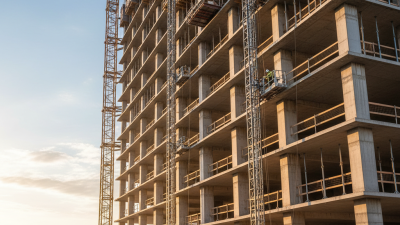
Mast scaffold is becoming a popular choice for construction projects. Its design promotes both safety and efficiency. The key features of mast scaffold address many common issues faced on construction sites. For instance, it is anchored securely to the building, reducing the risk of swaying. This stability is crucial when working at heights and offers peace of mind to workers.
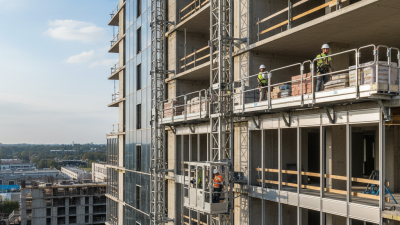
Another important aspect is its height-adjustability. Workers can modify the scaffold quickly, adapting to various construction needs. This feature minimizes downtime, allowing projects to proceed smoothly. Moreover, mast scaffolds are equipped with guardrails and trapdoors. These additions enhance safety and provide easy access for workers. Some may overlook minor safety details, but these features significantly reduce accidents.
Additionally, the construction of mast scaffold can be completed relatively quickly. Workers can set it up with fewer tools and minimal effort. However, some teams might rush this process, which could lead to improper installation. Taking time to ensure everything is secure is essential. Efficiency and safety often depend on this careful balance during setup.
Why Choose Mast Scaffold for Your Next Construction Project? - Key Features of Mast Scaffold That Enhance Safety and Efficiency
| Feature |
Description |
Safety Benefits |
Efficiency Enhancements |
| Modular Design |
Allows for easy assembly and customization for various projects. |
Reduces the risk of accidents through secure and stable structures. |
Quick installation leads to faster project completion. |
| High Load Capacity |
Engineered to support heavy materials and workers. |
Minimizes the chance of collapse under heavy loads. |
Enables simultaneous work on multiple levels, enhancing productivity. |
| Compact Footprint |
Takes up less ground space compared to traditional scaffolding systems. |
Reduces the risk of accidents in crowded work areas. |
Allows for better utilization of limited space on job sites. |
| Integrated Safety Features |
Includes guardrails, safety harness points, and non-slip surfaces. |
Provides added security for workers at heights. |
Minimizes safety checks and delays, improving workflow. |
| Versatility |
Suitable for various construction tasks, from residential to industrial projects. |
Enhances safety across different types of work environments. |
Increases project adaptability and reduces downtime. |
Comparative Analysis: Mast Scaffold vs. Traditional Scaffolding Options
When evaluating scaffolding options, mast scaffold systems present distinct advantages. Traditional scaffolding often relies on multiple components: tubes, ties, and planks. Each piece requires careful assembly and disassembly, increasing labor time. A report from the Construction Industry Institute notes that improper assembly can increase the risk of accidents by over 30%. In contrast, mast scaffolds are engineered for swift erection and dismantling. This leads to reduced downtime on projects.
Mast scaffolds also offer enhanced stability. According to a study by the National Safety Council, traditional scaffolding systems are prone to structural failures if not assembled correctly. These failures can cause work delays and costly injuries. Mast scaffolds utilize a continuous vertical system, providing a stronger framework. This allows workers to operate safely at greater heights without compromising structural integrity.
Cost-effectiveness cannot be ignored. While the initial investment in mast scaffolds may be higher, the reduced labor costs and minimized risk make up for it. A case study by the International Journal of Construction Management highlighted a 15% cost reduction for projects using mast scaffolding instead of traditional methods. However, it's crucial to remember that each project has unique requirements. Not every building site will favor one over the other. Thoughtful consideration must be given to location, type of work, and specific safety regulations.
Cost-Effectiveness and Investment Value of Mast Scaffold Solutions
When planning your next construction project, cost-effectiveness is key. Mast scaffold solutions often provide an excellent return on investment. They help streamline the construction process, saving time and labor costs. Choosing the right materials can reduce expenses without sacrificing safety.
**Tip:** Always compare prices before purchasing materials. This helps to ensure you're getting the best deal.
Mast scaffolds can adapt to different heights and loads. This flexibility can lower costs by minimizing the need for additional equipment. However, one must consider the specific requirements of each project. Misjudging the needed support could lead to wasted resources.
**Tip:** Make a checklist of your project needs. This will help you avoid unnecessary purchases.
Investing in quality mast scaffolds means fewer maintenance issues. While initial costs may be higher, long-term savings are often greater. Nonetheless, it's important to evaluate if the chosen scaffolds meet your expectations. Sometimes, a decision based on trends might lead to regret later on.
Cost-Effectiveness of Mast Scaffold Solutions
The bar chart illustrates the cost savings associated with using mast scaffold solutions over five years. As the years progress, the cost savings increase significantly, showing the long-term investment value of mast scaffolding in construction projects.
Mast Scaffold Applications Across Various Construction Industries
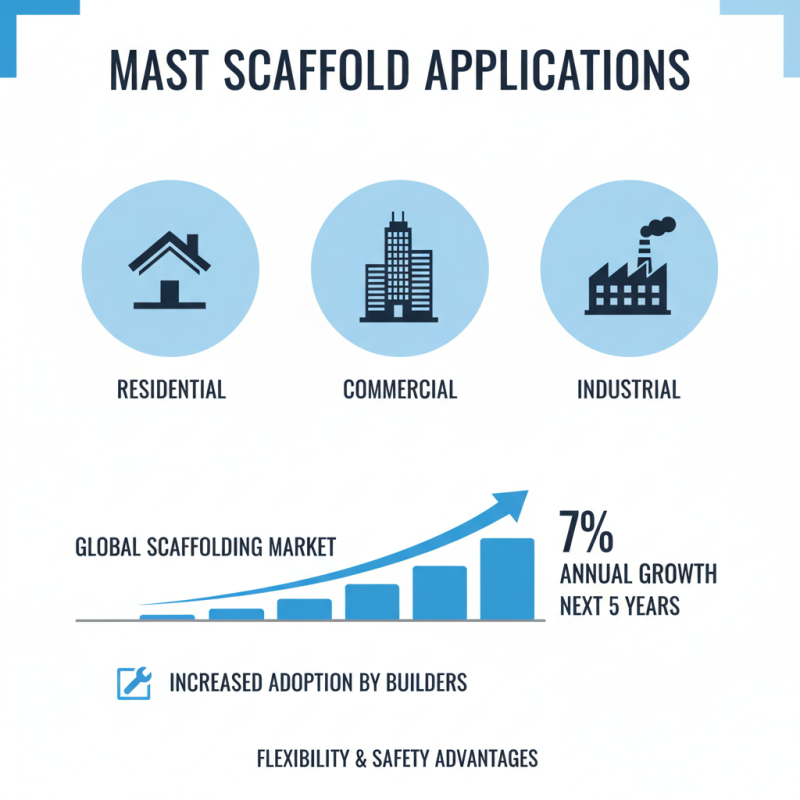
Mast scaffolding has gained popularity in various construction sectors. Particularly in residential, commercial, and industrial projects, it offers flexibility and safety. According to the Global Scaffolding Market Report, the demand for scaffolding solutions is projected to grow by 7% annually over the next five years. This trend indicates that more builders are recognizing the advantages of using mast scaffolds.
In residential construction, mast scaffolds provide easy access to high places and rooftops. They ensure efficient workflow during renovations and new builds. Commercial projects benefit from this system too. It supports heavy loads and allows for complex designs. An industry study revealed that projects utilizing mast scaffolds can reduce assembly times by 30%. This efficiency can significantly impact project timelines and budgets.
Tip: Always assess the ground conditions before installing mast scaffolds. Proper foundation support is crucial for safety. Also, consider the height and weight limits specified. Adhering strictly to these guidelines can prevent accidents.
However, there are challenges. Training workers to use mast scaffolds safely is essential. Inadequate training can lead to accidents and reduce efficiency. Choosing scaffolding that meets local regulations and standards is critical. This can be overlooked in the rush of a project. Reassessing the scaffold's specifications during planning can save time and ensure safety later.