Top 10 Mast Climbing Work Platform Safety Tips for Workers?
Mast Climbing Work Platforms are essential for construction and maintenance tasks. However, safety is a top priority. Workers often overlook common safety practices. This negligence can lead to serious accidents.
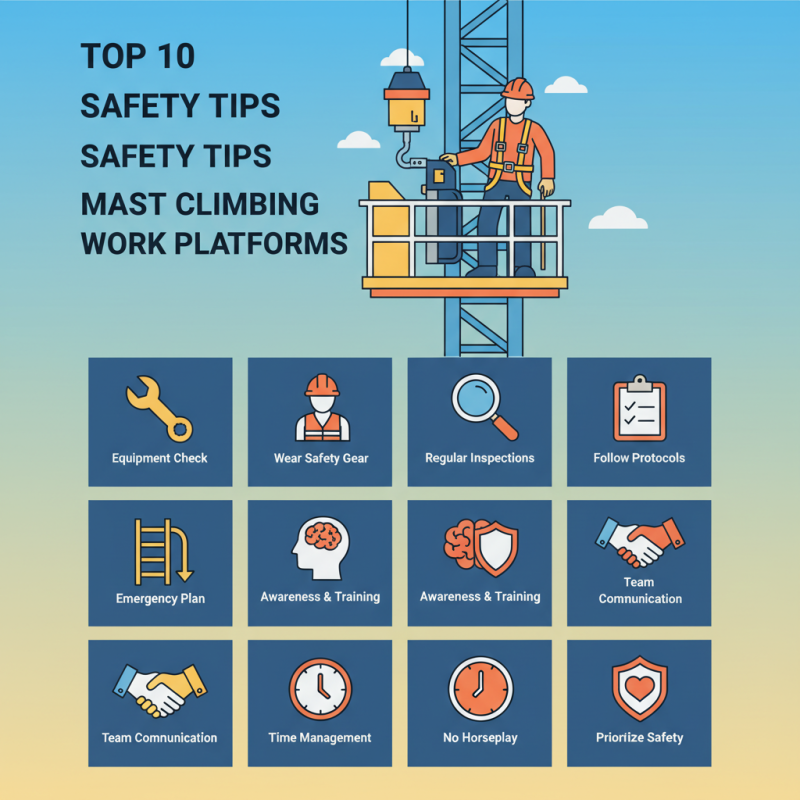
Understanding Mast Climbing Work Platform Safety is crucial. Proper training and awareness are needed. Workers should always check equipment before use. They must wear appropriate safety gear consistently. A small mistake can have major consequences.
In addition, regular inspections are vital. Safety protocols should never be ignored. Workers sometimes feel invincible or overly confident. It’s essential to remain humble and cautious. Each step taken must prioritize safety. Ultimately, the goal is to ensure a secure environment for everyone involved.
Understanding Mast Climbing Work Platforms: A Brief Overview
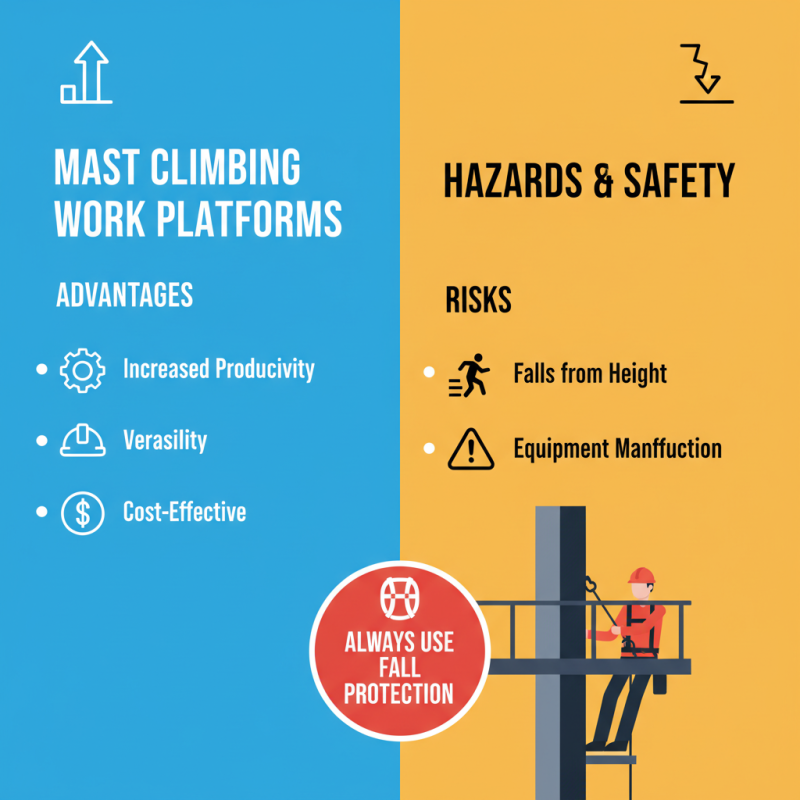
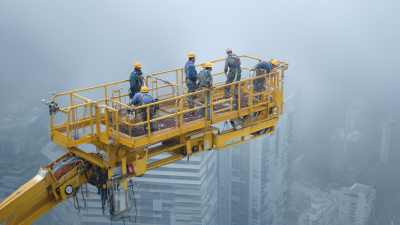
Mast climbing work platforms are specialized equipment used for construction and maintenance tasks. These platforms provide a safe working space elevated above ground. They are commonly used on tall buildings or structures where traditional scaffolding may not be practical. Understanding their operation is essential for ensuring worker safety.
An important aspect of mast climbing work platforms is their design. They often feature a vertical mast that supports a platform. Workers can move up and down, which is efficient for tasks that require height. However, improper use can lead to accidents. Workers must be trained on how to operate these platforms safely. Regular inspections are crucial, too. Neglecting this can lead to issues during use, which could be dangerous.
In real-world applications, some workers may overlook safety protocols. For example, not securing tools or materials can lead to hazards. Additionally, distractions can result in missed safety checks. It is vital for teams to communicate effectively to enhance safety. Each worker should feel comfortable voicing concerns. This approach can help create a culture of safety, minimizing risks associated with mast climbing work platforms.
Importance of Safety Protocols in Mast Climbing Operations
In mast climbing operations, safety is crucial. Workers often face heights and heavy equipment. Protocols must be clear and accessible. Regular safety training helps workers understand the risks. Each worker should know how to use safety gear properly. Harnesses, for example, are not optional. They can save lives.
A lack of communication can lead to accidents. Team briefings before starting work are essential. Workers should feel comfortable speaking up about safety concerns. Inspecting the mast climbing platform daily is necessary. Issues must be identified early. Even minor problems can escalate if ignored. It’s important to foster a culture of safety.
However, complacency can creep in quickly. Workers might skip safety checks or forget protocols after routine operations. This attitude can be dangerous. Vigilance and adherence to safety practices should never wane. Continuous reminders about the importance of safety can help keep everyone focused.
Key Safety Gear and Equipment for Workers on Platforms
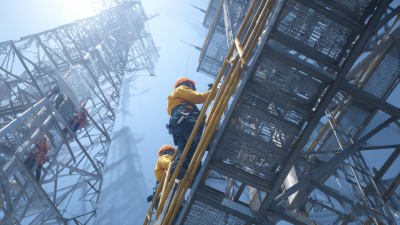
When working on a mast climbing work platform, safety gear is essential. Workers should wear a hard hat to protect against falling objects. Safety goggles are crucial to shield the eyes from debris. Non-slip footwear is a must for maintaining grip on the platform. Additionally, harnesses are critical when working at heights. They keep workers secure and prevent falls.
Having the right equipment enhances safety. A stable helmet is vital. It reduces the risk of head injuries. Gloves should offer both grip and protection. They help in handling tools safely. The platform itself must be inspected daily. Regular checks ensure that everything functions properly. Ropes and pulleys must also be in good condition. This prevents unexpected malfunctions.
It’s important to communicate clearly. Workers should understand their roles and equipment usage. Miscommunication can lead to accidents. Proper training on equipment is necessary. Many workers overlook this vital step. Continuous safety training is beneficial. A lack of awareness can create a dangerous environment. Investing time in safety practices is always worthwhile.
Top 10 Mast Climbing Work Platform Safety Tips for Workers
| Safety Tip |
Gear/Equipment |
Importance |
| 1. Conduct a Pre-Operation Inspection |
Inspection Checklist |
Ensures equipment is safe to use |
| 2. Use Proper Fall Protection |
Harness and Lanyard |
Reduces fall risk |
| 3. Ensure Proper Load Capacity |
Load Monitoring Device |
Prevents structural failure |
| 4. Maintain Clear Communication |
Two-way Radio |
Enhances safety during operations |
| 5. Use Outriggers Correctly |
Outrigger Boots |
Stabilizes platform |
| 6. Keep Work Area Organized |
Signage |
Prevents accidents |
| 7. Train Workers on Safety Procedures |
Training Materials |
Increases awareness of hazards |
| 8. Use Personal Protective Equipment (PPE) |
Hard Hat, Gloves, Safety Glasses |
Protects from injuries |
| 9. Monitor Weather Conditions |
Weather Monitoring Tools |
Ensures safe working conditions |
| 10. Conduct Regular Safety Meetings |
Meeting Notes |
Keeps safety at the forefront |
Best Practices for Emergency Preparedness and Response
In the construction industry, emergency preparedness is critical. Effective emergency response can reduce injury risk. A report from the Occupational Safety and Health Administration (OSHA) indicates that nearly 10% of construction-related injuries are due to falls. To combat this, workers on mast climbing work platforms should routinely conduct safety drills. Regular practice helps workers understand procedures, reducing panic during real emergencies.
Creating a clear emergency plan is essential. Ensure each worker knows their role and the communication chain. According to the National Safety Council, a solid plan can decrease injury severity by up to 30%. Including specific escape routes from mast climbing platforms can save lives. Regularly updating and discussing these plans keeps everyone informed. Engaging workers in this process fosters a culture of safety and accountability.
Finally, consider involving local emergency services in training sessions. They can provide valuable insights into unique site hazards. Integrating feedback from these sessions can enhance emergency plans, making them more effective. Inadequate training or planning can lead to chaos during emergencies. Therefore, it is crucial to reflect on past mistakes and adjust protocols as needed. Effective preparation can be the difference between a minor incident and a significant tragedy.
Top 10 Mast Climbing Work Platform Safety Tips