What is Mast Climbing With Ascenders? Benefits, Techniques, and Safety Tips
Mast climbing with ascenders has emerged as a transformative technique in various industries, particularly in construction and maintenance, allowing professionals to work at great heights with enhanced safety and efficiency. According to a recent report by the Occupational Safety and Health Administration (OSHA), falls from heights are one of the leading causes of workplace fatalities, accounting for approximately 33% of deaths in the construction sector alone. Therefore, the adoption of advanced climbing equipment, such as ascenders, is critical in mitigating these risks and improving overall safety protocols.
The benefits of mast climbing with ascenders extend beyond safety; they also enhance productivity and accessibility when working on tall structures. The ability to move vertically and horizontally with ease allows workers to complete tasks more quickly and with less physical exertion. A study conducted by the National Institute for Occupational Safety and Health (NIOSH) highlights that work efficiency increases by up to 30% when utilizing modern climbing systems compared to traditional scaffolding methods. This efficiency is particularly vital in emergency response situations, where time and safety are of the utmost importance.
As the industry continues to evolve, it is essential for professionals to stay informed about the best practices and techniques associated with mast climbing with ascenders. This knowledge not only promotes a culture of safety but also contributes to the overall effectiveness of operations in high-altitude environments. Understanding the proper use of this technology can ultimately lead to a reduction in accidents and a more sustainable approach to high-rise work.

What is Mast Climbing and Its Mechanism in Ascending Techniques
Mast climbing is a specialized technique utilized primarily in construction and maintenance settings, allowing workers to ascend vertical surfaces safely and efficiently. The mechanism behind mast climbing involves a platform that is anchored to a freestanding mast. This mast supports the ascent, enabling workers to transport materials, tools, and equipment while maximizing accessibility and safety. According to industry data, using mast climbing systems can reduce the time spent on high-rise projects by up to 30%, significantly impacting overall project efficiency.
One of the key benefits of mast climbing with ascenders is enhanced safety. Workers are protected from falls due to the enclosed nature of the climbing platform and reliable harness systems. Moreover, the design minimizes the risk of accidents associated with scaffolding. A report from the Occupational Safety and Health Administration (OSHA) indicates that proper use of such systems can lower the risk of workplace injuries by nearly 50%. Implementing strict safety protocols, including regular inspections and worker training, is crucial for maintaining a safe environment.
Tips for effective mast climbing include ensuring all safety harnesses are worn at all times and regularly checking that the climbing system is properly maintained before use. Workers should also communicate clearly while using the platform to prevent accidents. Additionally, familiarizing oneself with the specific ascending techniques relevant to the task can enhance efficiency and reduce risks associated with personnel maneuvering in high-altitude work environments.
Mast Climbing with Ascenders: Benefits and Techniques
Mast climbing with ascenders offers significant benefits in terms of safety, efficiency, cost-effectiveness, time-saving, and versatility. The chart above illustrates how these benefits rank, with safety and time-saving being the top advantages.
Benefits of Using Ascenders for Safe and Efficient Mast Climbing
Mast climbing with ascenders offers a unique set of advantages that enhance both safety and efficiency during vertical work. One of the most significant benefits is the increased stability and control that ascenders provide, allowing climbers to ascend smoothly and confidently. This stability is crucial when working at heights, minimizing the risk of slips or falls.
Additionally, using ascenders can significantly reduce the physical strain associated with traditional climbing, enabling workers to focus on their tasks rather than managing fatigue.
To make the most of mast climbing with ascenders, it's essential to adhere to specific tips. First, always ensure that your equipment is thoroughly inspected before use. Check for any signs of wear or damage, particularly on the ascenders and harnesses. Second, practice proper climbing techniques, keeping your body close to the mast for improved balance and leverage. This positioning helps maintain control and efficiency as you navigate vertical spaces.
Finally, prioritize communication with your climbing team. Establish clear signals and maintain constant verbal communication to ensure everyone is aware of each other's movements and intentions. This teamwork is vital for maintaining safety and effectively coordinating tasks while using ascenders in mast climbing scenarios.
Key Techniques for Effective Mast Climbing with Ascenders
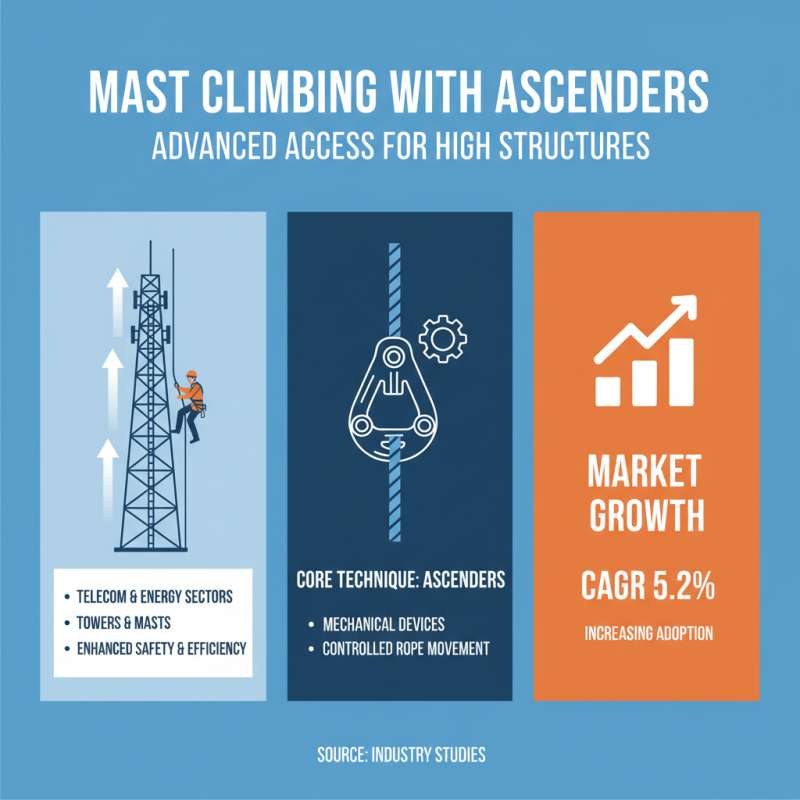
Mast climbing with ascenders is an advanced technique used for accessing high structures, such as towers and masts in telecommunication and energy sectors. This method enables workers to ascend and descend with enhanced safety and efficiency. One of the core techniques involves the use of ascenders, which are mechanical devices that provide controlled movement along ropes. According to industry studies, the mast climbing equipment market is expected to grow at a CAGR of 5.2% in the coming years, reflecting the increasing adoption of this method in various sectors.
To climb effectively, it's critical to master key techniques. First, ensure that the rope is appropriately anchored and that all equipment is regularly inspected for wear and tear. Proper body positioning while climbing can significantly affect balance and fatigue levels. Utilizing a three-point contact rule, where at least three points of contact with the equipment are maintained at all times, enhances stability and safety. Engaging in regular training focused on these techniques will not only improve proficiency but also minimize the risk of accidents.
**Tips:** Before each climb, conduct a thorough risk assessment of the work environment and equipment. Always wear appropriate personal protective equipment (PPE) and remain aware of your surroundings. Additionally, communicate with your team regularly to ensure everyone is informed of the plan and any changes during the ascent. By prioritizing safety and employing effective climbing techniques, work at heights can be accomplished with greater confidence.
Safety Tips and Best Practices for Mast Climbing Operations
Mast climbing operations require a strong emphasis on safety and best practices to ensure the well-being of all personnel involved. Before commencing any mast climbing activity, it is crucial to conduct a thorough risk assessment. This includes identifying potential hazards associated with the working environment and equipment. Properly trained personnel should always be used, and they must undergo regular safety drills to stay prepared for emergencies.
Tips for maintaining safety during mast climbing include always wearing appropriate personal protective equipment (PPE) such as helmets, harnesses, and non-slip footwear. Inspect all equipment before each use to ensure there are no defects or wear that could compromise safety. Additionally, it is essential to have a clear communication plan among team members. Using hand signals or two-way radios can help avoid misunderstandings while working at heights.
Another vital practice is to ensure that the work platform is stable and secured correctly before ascent. Operators should follow all manufacturer guidelines and safety regulations when setting up equipment. Regular training and ongoing education about best practices can significantly reduce the chances of accidents, keeping everyone safe during mast climbing operations.
Industry Standards and Regulations Governing Mast Climbing Equipment
Mast climbing with ascenders is governed by a rigorous set of industry standards and regulations designed to ensure safety and operational efficiency. These standards are established by various organizations and regulatory bodies that evaluate the equipment and techniques used in mast climbing operations. Compliance with these regulations helps minimize risks associated with working at heights, ensuring that both the climbers and the equipment meet safety criteria.
Key regulations often focus on the design and maintenance of mast climbing systems, including the strength and durability of the components used. Regular inspections and certifications are mandatory to ensure that all equipment is functioning correctly and can withstand the stresses encountered during use. Furthermore, training requirements are established to ensure that personnel are fully educated on the equipment's operation, potential hazards, and emergency procedures, thereby fostering a culture of safety within the industry.
In addition to equipment standards, regulations also address operational practices, mandating that weather conditions are considered before commencing any mast climbing activities. This ensures that climbers are not exposed to unsafe conditions that could compromise their safety. By adhering to these industry standards and regulations, companies can significantly reduce incidents and enhance overall safety during mast climbing operations.
What is Mast Climbing With Ascenders? Benefits, Techniques, and Safety Tips - Industry Standards and Regulations Governing Mast Climbing Equipment
| Dimension |
Details |
| Definition |
Mast climbing is the use of powered ascenders to access high structures efficiently and safely. |
| Key Benefits |
Improved safety, increased productivity, and reduced labor costs. |
| Techniques |
Proper rigging, regular maintenance checks, and operator training. |
| Safety Tips |
Always use personal protective equipment (PPE), conduct safety briefings, and follow manufacturer guidelines. |
| Industry Standards |
ANSI/ASSP B30.3 and EN 1808 for safety regulations and performance criteria. |
| Regulatory Bodies |
OSHA (Occupational Safety and Health Administration) and local regulatory agencies. |