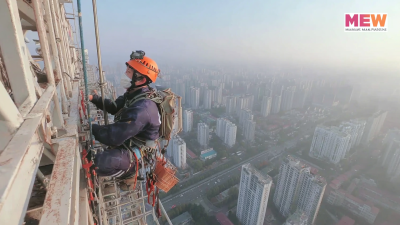
What is a Mast Climbing System and How Does It Enhance Construction Efficiency
In the rapidly evolving construction industry, efficiency and safety are paramount. One innovative solution that has significantly transformed modern construction practices is the Mast Climbing System. This advanced equipment not only enhances productivity but also ensures that workers operate in a safer environment. By integrating vertical and horizontal movement capabilities, Mast Climbing Systems streamline the transportation of materials and personnel to various levels of a construction site, making tasks quicker and more effective.
The ability to customize these systems for a variety of projects—from high-rise buildings to intricate architectural designs—underlines their
versatility. Construction teams benefit from
reduced labor costs and heightened operational efficiency, as the Mast Climbing System minimizes downtime and optimizes workflow. Furthermore, its robust design accommodates heavy loads, making it suitable for demanding construction tasks. As the industry continues to seek sustainable and efficient methodologies, the Mast Climbing System stands out as a pivotal component in enhancing construction efficiency for projects of all scales.
What is a Mast Climbing System in Construction?
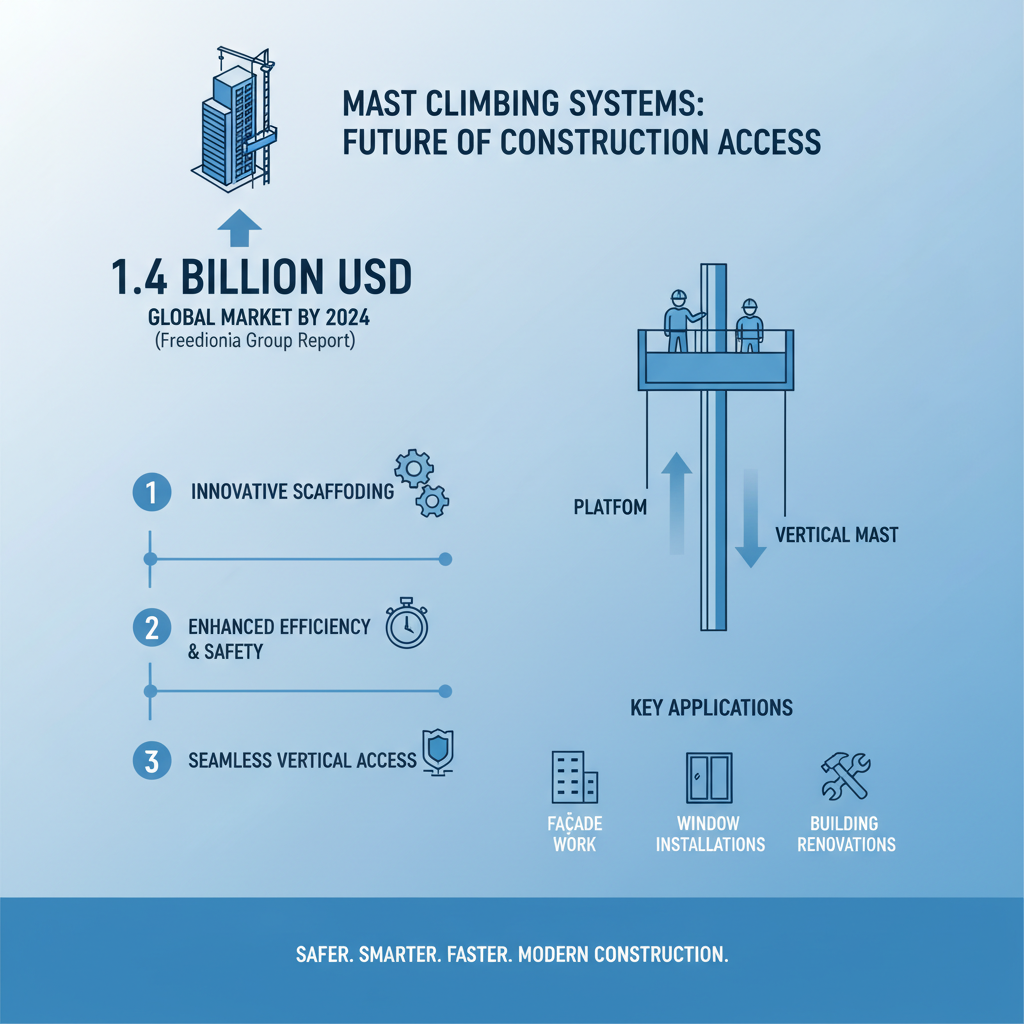
A mast climbing system (MCS) is an innovative scaffolding solution widely utilized in modern construction. Designed to enhance efficiency and safety, MCS consists of a platform that is supported by a vertical mast. This allows workers to access various heights seamlessly, making it particularly useful for tasks such as façade work, window installations, and building renovations. According to a report by Freedonia Group, the global market for mast climbing equipment is expected to reach $1.4 billion by 2024, highlighting its growing significance in the construction industry.
One of the primary advantages of using a mast climbing system is its ability to improve work site logistics. With the capability to transport materials and workers efficiently, MCS minimizes downtime, leading to faster project completion. For instance, a survey by the Construction Industry Institute found that projects utilizing mast climbing systems experienced a 30% reduction in vertical transportation delays. This efficiency not only optimizes labor costs but also enhances overall site safety by reducing the need for traditional ladders and scaffolds.
**Tips:**
- When selecting a mast climbing system, ensure it meets local safety regulations and standards.
- Incorporate training sessions for workers to familiarize them with the system's operation to maximize safety and efficiency on-site.
Key Components of Mast Climbing Systems and Their Functions
Mast climbing systems are revolutionizing the way large-scale construction projects are executed by offering a range of key components that significantly enhance efficiency. At the core of these systems are the mast, platform, and hoisting unit.
The mast serves as the vertical backbone, providing stability and support. Platforms, which can be adjusted in height as construction progresses, allow workers to access different levels of a building safely and quickly. Lastly, the hoisting unit facilitates the rapid elevation of materials, reducing the time workers spend transporting supplies manually.
According to a report by the International Association of Foundation Drilling, integrating mast climbing systems can reduce labor costs by up to 30% while enhancing safety by minimizing the risk of fall-related injuries. This makes mast climbing systems not only a cost-effective solution but also a vital tool in promoting a safer work environment.
Tips: When considering mast climbing systems, always ensure that the equipment is certified and regularly inspected to maintain safety standards. Additionally, training workers on the operation and safety protocols of the system can significantly improve overall project efficiency and reduce downtime. Proper planning to coordinate the vertical transport of materials can further optimize workflow and save valuable time on site.
Advantages of Mast Climbing Systems Over Traditional Scaffolding
Mast climbing systems have revolutionized the way construction projects are approached, offering significant advantages over traditional scaffolding. According to a report by the
European Federation of Building and Woodworkers, mast climbing systems can increase work efficiency by up to
30%. This is mainly due to their ability to provide uninterrupted access to multiple floors simultaneously, reducing downtime often caused by moving scaffolding around a site.
In addition to enhanced efficiency, mast climbing systems also contribute to improved safety. The
Occupational Safety and Health Administration (OSHA) reports that falls from heights are one of the leading causes of construction-related fatalities. Mast climbing systems are designed with integrated safety features, such as
guardrails and
stability platforms, which help mitigate these risks. Furthermore, a study published by the
International Journal of Construction Management highlighted that worksites utilizing mast climbing systems experienced a
40% reduction in safety incidents compared to those relying on traditional scaffolding methods. This combination of efficiency and safety makes mast climbing systems an increasingly popular choice among contractors looking to optimize their construction processes.
Industry Data: Enhanced Efficiency Metrics with Mast Climbing Systems
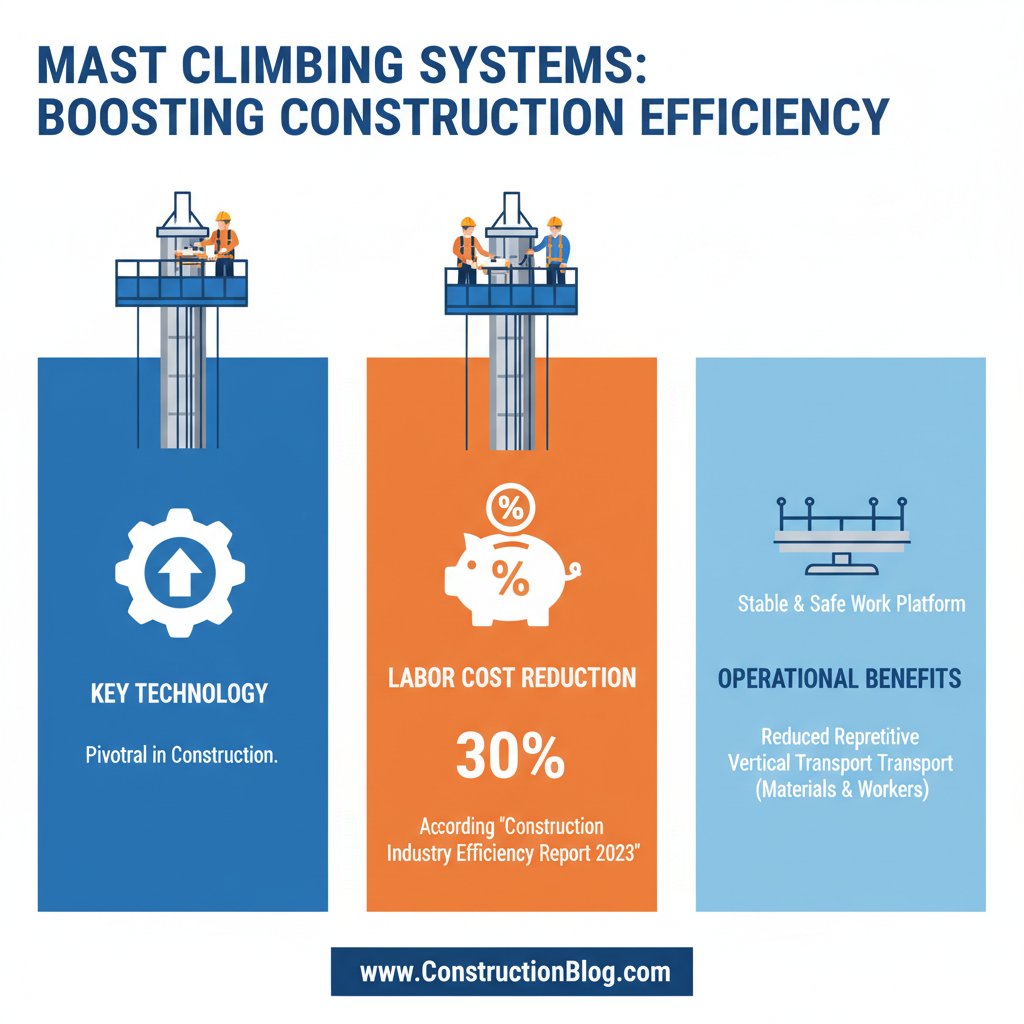
Mast climbing systems have emerged as a pivotal technology in the construction sector, significantly enhancing operational efficiency. According to the
"Construction Industry Efficiency Report 2023," projects employing mast climbing systems have reported a staggering
30% reduction in labor costs. This reduction is attributed to the systems' ability to provide a stable and safe working platform at various heights, reducing the need for repetitive vertical transport of materials and workers.
Moreover, a detailed analysis in the
“2022 Global Construction Trends Report” highlights that projects using mast climbing systems not only see improved labor efficiency but also experience a remarkable
20% acceleration in overall project timelines. This is particularly beneficial in urban settings, where space is limited, and timeline adherence is critical. The mast climbing systems facilitate simultaneous work on multiple floors while maintaining safety standards, thereby allowing for a more streamlined workflow.
With these metrics in mind, it's clear that integrating mast climbing systems into construction practices can lead to substantial operational advantages.
Safety Standards and Regulations for Mast Climbing Systems in Construction
Mast climbing systems (MCS) have revolutionized the construction industry by providing a safe and efficient means of accessing elevated work areas. However, the implementation of these systems comes with a crucial responsibility to adhere to safety standards and regulations. Various organizations, including OSHA in the United States and local regulatory bodies worldwide, enforce strict guidelines to ensure that mast climbing systems are installed and operated safely. These guidelines include regular inspections, proper load capacity limits, and operator training to minimize the risk of accidents on construction sites.
Moreover, compliance with safety standards not only protects workers but also enhances overall project efficiency. By ensuring that all equipment, including mast climbing systems, meets established regulations, construction companies can avoid costly delays caused by accidents or safety violations. Moreover, investing in high-quality, regulated mast climbing systems can significantly improve the workflow, allowing for faster completion of projects while maintaining a strong focus on safety. Therefore, understanding and adhering to safety standards is paramount for maximizing the benefits of mast climbing systems in construction.