Mast Climber Safety Tips for Construction Workers

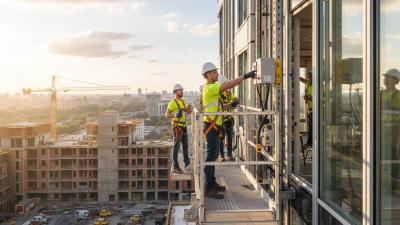
Mast climbers have become essential tools in construction. They allow workers to reach high elevations safely and efficiently. However, with great height comes significant risks. Construction sites must prioritize Mast Climber Safety to protect workers.

According to expert Mark Johnson, a renowned safety consultant, "Ignoring safety protocols can lead to accidents that could have been prevented." This emphasizes the need for vigilance. Workers should always use safety harnesses and ensure proper training on mast climber operation. Regular equipment checks are crucial. They help identify wear and tear that could compromise safety.

Construction sites can be chaotic. Distractions and rushed deadlines often lead to oversight. It’s vital for workers to remind each other about safety practices. A culture of safety is not just a guideline; it’s a necessity. Each worker must take responsibility for their own safety as well as that of their teammates.
Mast Climber Safety Tips for Construction Workers

Mast Climber Overview and Applications in Construction

Mast climbers are essential in modern construction. They provide a safe and efficient way to access high-rise buildings. Their unique design allows for vertical movement, accommodating various job sites. According to a recent report by the Occupational Safety and Health Administration, falls from heights account for about 30% of construction-related fatalities. This emphasizes the importance of using mast climbers correctly.

In addition to safety, mast climbers enhance productivity. They can support multiple workers and materials at heights. This feature reduces the need for scaffolding. It streamlines operations on site. Construction productivity can increase by up to 25% when deploying mast climbers, as noted in industry benchmarks. However, challenging environments can lead to installation errors and miscommunication among crews.

Proper training is crucial for all workers. Despite the advantages, some workers still overlook safety regulations. Ensuring everyone knows the correct procedures is vital. Continuous feedback on mast climber operations can help identify potential hazards. Addressing these issues fosters a safer work environment and maximizes efficiency on construction sites.

Mast Climber Safety Tips for Construction Workers

Safety Tip Description Frequency Who Should Follow
Pre-Use Inspection Inspect the mast climber for any damage or wear before use. Every use All operators
Proper Training Ensure all workers are trained on mast climber operation and safety protocols. Initial training and refreshers All construction workers
Weight Capacity Do not exceed the maximum load capacity of the mast climber. Continuous monitoring All operators
Use Safety Gear Always wear appropriate personal protective equipment (PPE). Every use All workers
Emergency Procedures Familiarize with emergency procedures in case of malfunction. Monthly reviews All workers

Common Hazards Associated with Mast Climbers

Mast Climber Safety Tips for Construction Workers

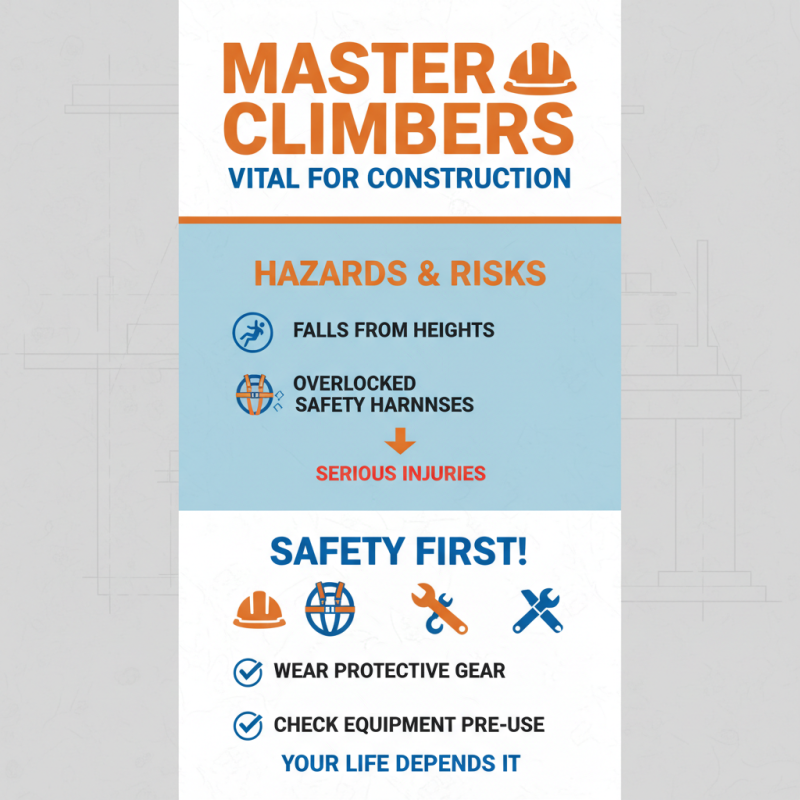
Mast climbers are vital for construction projects. However, they come with their own set of hazards. One significant risk is falling from heights. Workers may overlook safety harnesses, leading to serious injuries. It’s crucial to always wear protective gear and check equipment before use.

Another common hazard is equipment failure. Mast climbers rely on electrical and mechanical systems. A sudden malfunction can lead to dangerous situations, putting everyone at risk. Regular inspections and maintenance are essential for preventing these issues. Ensure that the machinery is in top condition.

Weather conditions also pose dangers. High winds can destabilize the mast climber. Rain or ice can create slippery surfaces, increasing the risk of slips and falls. Workers often underestimate these factors. Being aware of the weather and adjusting plans accordingly is key. All these hazards remind us to stay vigilant and prioritize safety at all times.

Essential Safety Gear for Operating Mast Climbers

Operating mast climbers requires proper safety gear to minimize risks. According to the Occupational Safety and Health Administration (OSHA), falls account for nearly 39% of all construction-related fatalities. Wearing the right gear can significantly impact injury prevention.

Hard hats are crucial for head protection. A high-quality helmet reduces injury risk from falling objects. Additionally, safety harnesses and lanyards help prevent falls. These should be inspected regularly. Research indicates that using a harness reduces fall-related injuries by up to 50%. Investing in well-fitted, comfortable gear encourages consistency in usage.

Foot protection is often overlooked. Slip-resistant boots with ankle support are essential on mast climbers. A study by the National Safety Council shows that slips and trips contribute to 27% of construction site injuries. It’s vital to encourage workers to wear appropriate footwear that minimizes these risks.

Regular training on using safety gear cannot be neglected. Workers frequently skip proper inspections due to time constraints. This creates risks that can be avoided. Open discussions about safety gear and practices should be encouraged.

Best Practices for Safe Operation of Mast Climbers

Mast climbers are essential for high-rise construction work. They provide access to hard-to-reach areas. However, safety must always come first.

Before using a mast climber, conduct a thorough inspection. Check for any visible damages. Ensure all safety features are functional. If unsure, seek guidance. An overlooked detail can have serious consequences.

Workers should wear appropriate gear at all times. Hard hats and harnesses are crucial. A simple slip can lead to injury. Regular safety meetings can help reinforce these practices. Discuss past incidents and learn from them. It's vital to remember that complacency can be dangerous.

Training is another critical aspect. Workers need to know how to operate the equipment properly. If someone feels unprepared, it’s okay to ask for help. Everyone makes mistakes, but learning from them is key. Open communication about safety can prevent accidents.

Mast Climber Safety Compliance by Construction Workers

Emergency Protocols for Mast Climber Incidents

Mast Climber Safety Tips for Construction Workers

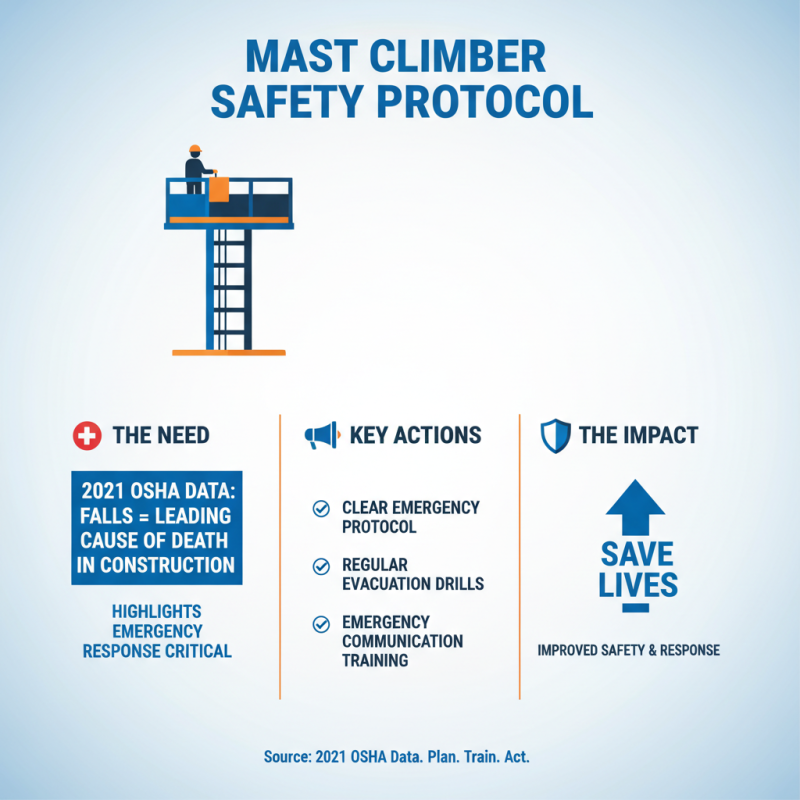
When it comes to mast climber safety, having a clear emergency protocol is crucial. In 2021, data from the Occupational Safety and Health Administration (OSHA) indicated that falls remained a leading cause of death in construction. This highlights the need for well-planned emergency responses. Workers should be trained regularly on evacuation procedures and emergency communication. Knowing how to respond can save lives.

In the event of an incident, every second counts. Workers must be aware of their surroundings and potential hazards. Emergency protocols should include immediate reporting of accidents. According to the National Institute for Occupational Safety and Health (NIOSH), quick reporting can reduce risk and severity of injuries. Establishing clear signage and communication channels on site is essential too. It can be as simple as a walkie-talkie or an emergency bell system.

In emergencies, calmness is vital. Chaos can exacerbate the situation. Workers might overlook basic safety measures in panic. Regular drills are necessary. A study revealed that teams who practiced emergency scenarios were significantly more effective than those who didn’t. Reflecting on past incidents can help in creating more effective protocols. A proactive approach is better than a reactive one.