Why Is Mast Climber Safety Essential for Construction Projects?
Mast Climber Safety plays a crucial role in construction projects. These platforms enhance efficiency but also pose significant risks. The dangers include falling, equipment failure, and worker injuries. Construction sites are bustling with activity. The need for safety measures is paramount.
Proper training and regular inspections are vital. Workers must understand how to use mast climbers effectively. Guidelines exist to protect them, yet compliance can lag. A commitment to safety must be evident at all levels. Companies should foster a culture that prioritizes safety.
Investing in protective equipment is non-negotiable. Soft barriers and harnesses can save lives. Still, one must reflect on past incidents. Many accidents stem from negligence or poor practices. Enhancing Mast Climber Safety requires continuous effort and vigilance. By addressing these concerns, we can create safer working environments.
Importance of Safety Protocols in Construction Sites
Construction sites are inherently dangerous. Workers face risks daily. The presence of mast climbers can enhance safety, but protocols are essential. Without clear guidelines, accidents are more likely to occur.
Implementing safety protocols helps minimize these risks. Workers must be trained in proper equipment use. Regular inspections of climbing equipment are vital. A well-defined safety plan not only protects workers but also increases productivity. Often, the lack of adherence to safety measures leads to injuries or even fatalities.
It’s critical to have experienced personnel overseeing construction activities. These experts can spot potential hazards early. Creating a culture of safety means everyone must prioritize it. Unfortunately, some workers may underestimate risks, thinking accidents happen to others. This mindset needs to change for safety to improve on site.
Why Is Mast Climber Safety Essential for Construction Projects?
The chart above illustrates the importance level of various safety protocols essential for mast climber safety in construction projects. Each protocol is rated on a scale from 1 to 10, highlighting the critical role these measures play in ensuring the well-being of workers on-site.
Understanding Mast Climbers and Their Role in Construction
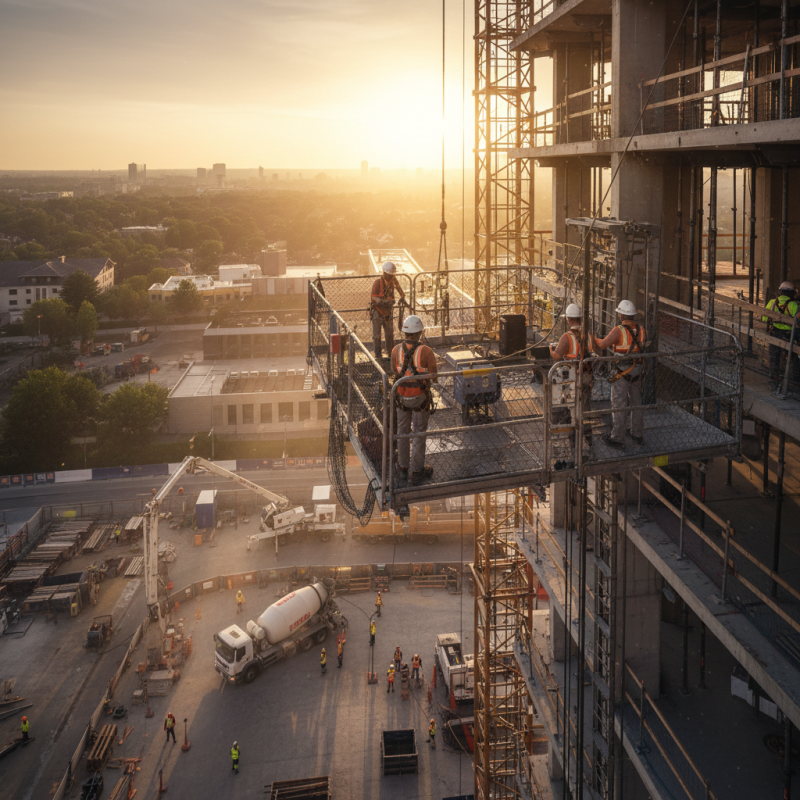
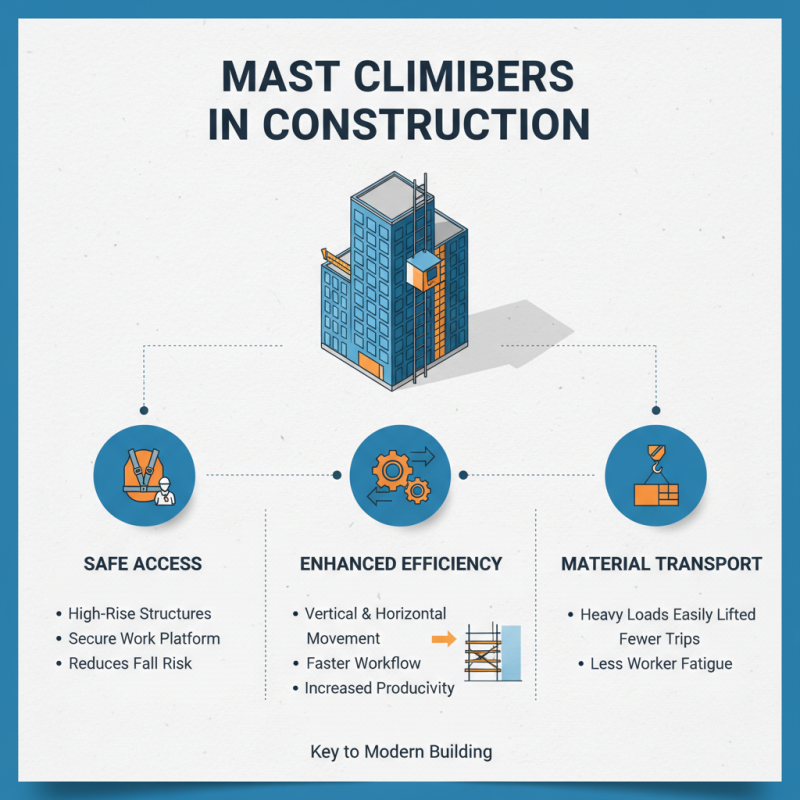
Mast climbers are vital in construction. They provide safe access to high-rise structures, enabling workers to efficiently perform tasks at various heights. Unlike traditional scaffolding, mast climbers move vertically and horizontally, which enhances workflow and productivity. Their design allows for heavy materials to be lifted easily. This leads to fewer trips and reduced fatigue for construction teams.
Moreover, the role of mast climbers extends beyond mere convenience. Safety is paramount in construction. Poorly installed equipment can lead to accidents. Regular inspections and maintenance are crucial for preventing failures. Workers must be trained in proper usage protocols. A minor oversight can endanger lives. The importance of adhering to safety standards cannot be overstated.
Construction sites are dynamic environments. Despite a focus on safety, risks still exist. Unexpected weather changes or equipment malfunctions can create hazards. Workers must remain vigilant. This reality underscores the need for continuous training and better safety practices. Implementing robust safety measures enhances overall project success.
Common Hazards Associated with Mast Climbers
Mast climbers are essential tools in construction, offering access to heights efficiently. However, they pose significant hazards that need attention. Workers can be exposed to risks if they are not adequately trained. One major hazard is the potential for falls. Items can also drop from height, posing a risk to those below. This emphasizes the need for proper safety measures.
Another concern is equipment failure. Regular inspections are vital to identify wear and tear before it leads to accidents. Malfunctioning parts can result in serious injuries. Additionally, improper setup can lead to instability. Workers must understand how to secure the unit correctly. This knowledge is essential for minimizing risks to staff.
Environmental factors play a role too. Wind and rain can affect the mast climber's stability. Workers must assess conditions regularly. Educating everyone involved about these hazards is crucial. A culture of safety can help reduce incidents and promote accountability. Awareness and proactive measures can greatly enhance safety on construction sites.
Safety Measures to Ensure Reliable Use of Mast Climbers
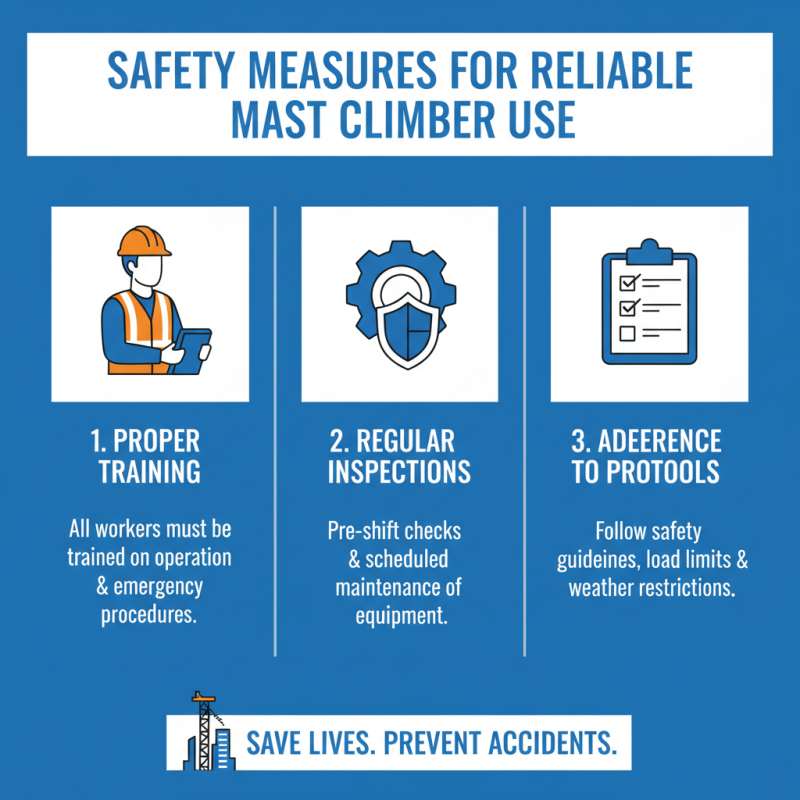
Mast climbers are crucial for high-rise construction projects. They provide vertical access for workers and materials. However, safety measures are vital to prevent accidents and ensure reliable use. Workers must receive proper training on how to operate mast climbers. Knowledge of safety protocols can save lives.
Regular inspections are essential. Inspect every component of the mast climber before use. Pay attention to guardrails, cables, and controls. A defect, even a minor one, can lead to serious incidents. Each worker should understand basic maintenance requirements. It's important they are familiar with the equipment they use daily.
Communicating safety guidelines is necessary. Create a safety culture among workers. Regular safety meetings can reinforce good practices. Encourage workers to report hazards promptly. Remember, even the most experienced operators can miss a detail. In construction, vigilance is vital. A small oversight can lead to significant consequences.
Regulatory Standards for Mast Climber Safety in Construction
Mast climbers are crucial for high-rise construction, but safety regulations are paramount. The Occupational Safety and Health Administration (OSHA) emphasizes that adherence to safety standards can reduce accidents significantly. A study indicated that projects following strict regulations saw a 30% drop in incidents related to falls. These benchmarks ensure workers are protected when operating at great heights.
Compliance with regulatory standards is not just a legal obligation; it's a cornerstone of operational integrity. The American National Standards Institute (ANSI) outlines criteria for mast climber safety, including load limits and stability requirements. Failing to comply can result in liability and increased risks. In some cases, regulatory lapses led to serious injuries and project delays.
Tip: Regular safety audits can catch potential issues early. Implement weekly checks on equipment and ensure all workers are trained. Another important tip is to maintain clear communication protocols among team members. Training sessions should be frequent, covering the latest safety practices.
Despite clear guidelines, some construction sites still overlook essential safety measures. Observing safety standards should be routine, yet reports show many teams neglect regular maintenance of equipment. Ignoring these details can lead to catastrophic outcomes. It’s vital to foster a culture of safety to avoid reflection on avoidable mistakes.