Top Tips for Mast Climber Safety in China Best Practices?

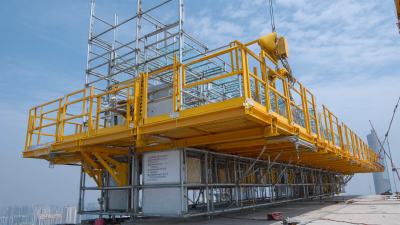
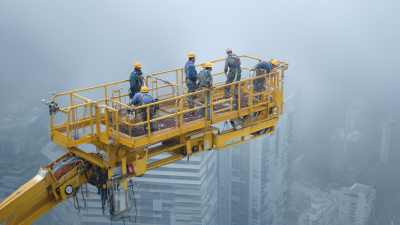
Mast Climber Safety is vital in the construction industry, especially in rapidly developing regions like China. According to the Global Construction Safety Report 2022, accidents related to height pose significant risks. In fact, falls from elevation are among the leading causes of fatalities worldwide. As China’s skyline evolves with towering structures, the importance of adhering to safety protocols cannot be overstated.

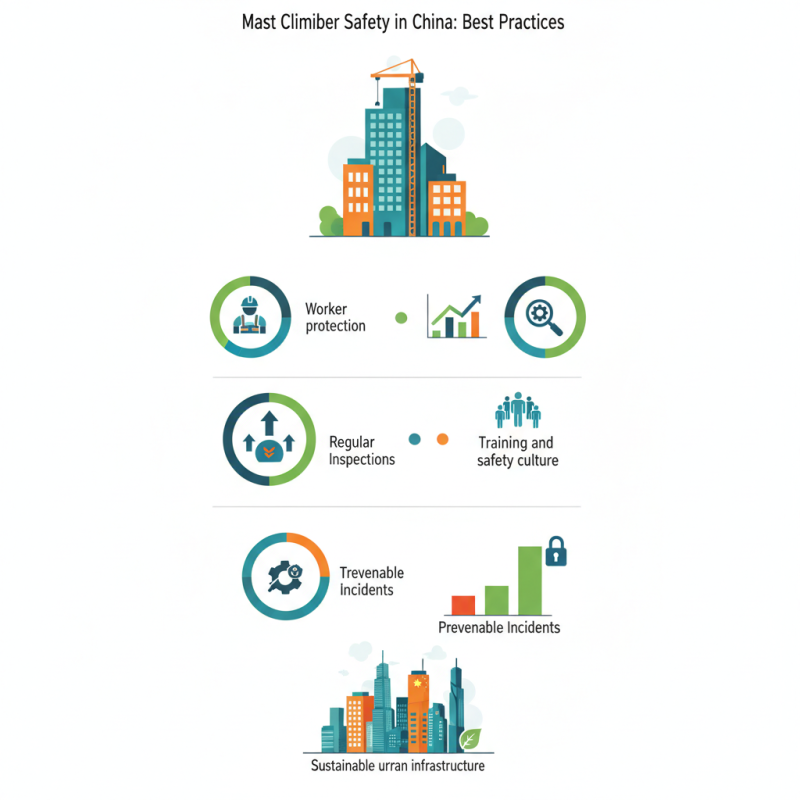
Implementing best practices in mast climber safety ensures not only compliance but also enhances worker protection. Data indicates that 40% of construction fatalities stem from preventable incidents. Thus, utilizing safety gear, conducting regular inspections, and fostering a culture of safety are essential. Workers should be trained rigorously in proper equipment use and emergency response.

Despite advancements in technology and training, challenges persist. Reports show that many construction workers still lack adequate safety training. The industry must reflect on these gaps to devise effective solutions. By prioritizing mast climber safety, we can protect lives and ensure the sustainable growth of urban infrastructure in China.
Top Tips for Mast Climber Safety in China Best Practices?

Importance of Mast Climber Safety Regulations in China

Mast climber safety regulations in China play a crucial role in ensuring worker protection and project success. Adhering to these regulations reduces accident rates significantly. Compliance with safety standards fosters a culture of care and diligence.

One key tip for mast climber safety is to conduct regular maintenance checks. Inspecting equipment often helps to identify potential issues before they escalate. Additionally, it’s essential to provide thorough training for all personnel involved in mast climbing operations. Well-trained workers can recognize hazards effectively.

Another important aspect is to establish a clear communication system. When team members understand their roles and can report issues quickly, the overall safety improves. Regular safety drills can also reinforce this environment. These proactive measures nurture reliability and empower workers.
Identifying Common Hazards for Mast Climbers in Construction

Mast climbers are widely used in construction, offering efficiency and accessibility. However, they come with numerous hazards that workers must navigate. According to a report by the Occupational Safety and Health Administration (OSHA), falls are a leading cause of fatalities in the construction sector. It's crucial to recognize and mitigate these risks.

Common hazards include improper setup, inadequate maintenance, and lack of operator training. A survey indicated that nearly 30% of mast climber accidents arise from equipment failure. Regular inspections should be mandated. Check for wear and tear, especially in essential components like hoists and safety latches. Always document these inspections for accountability.

To enhance safety, implement robust training programs. Workers must fully understand the equipment they operate. They should know the load limits and proper use practices. Emphasizing communication is vital. Clear signals and hand gestures can prevent accidents on busy job sites. Regular safety drills reinforce these practices and helps create a safety-first culture. By addressing these hazards, construction teams can significantly reduce risks associated with mast climbers.

Essential Personal Protective Equipment for Mast Climber Operators

Mast climber operators in China face unique safety challenges. Personal protective equipment (PPE) plays a crucial role in ensuring their safety. According to the "Construction Safety Report 2022," approximately 50% of all construction-related injuries involve falls. Proper PPE can significantly mitigate these risks.

Essential PPE for mast climber operators includes harnesses, helmets, and eye protection. A certified harness ensures secure attachment to the climbing system. Helmets need to comply with national safety standards. They protect against falling debris from above. Eye protection, such as goggles, is critical for guarding against dust and flying particles.

In addition, operators should regularly inspect their PPE. A report from the National Safety Council indicates that 30% of PPE-related incidents occur due to equipment failure. Ensuring that protective gear is in good condition can save lives. Continuous training on using PPE can enhance operator awareness and adherence to safety protocols. Regular refreshers on safety practices also help mitigate risks.

Top Tips for Mast Climber Safety in China

Safe Operating Procedures and Best Practices for Mast Climbers

Top Tips for Mast Climber Safety in China Best Practices?

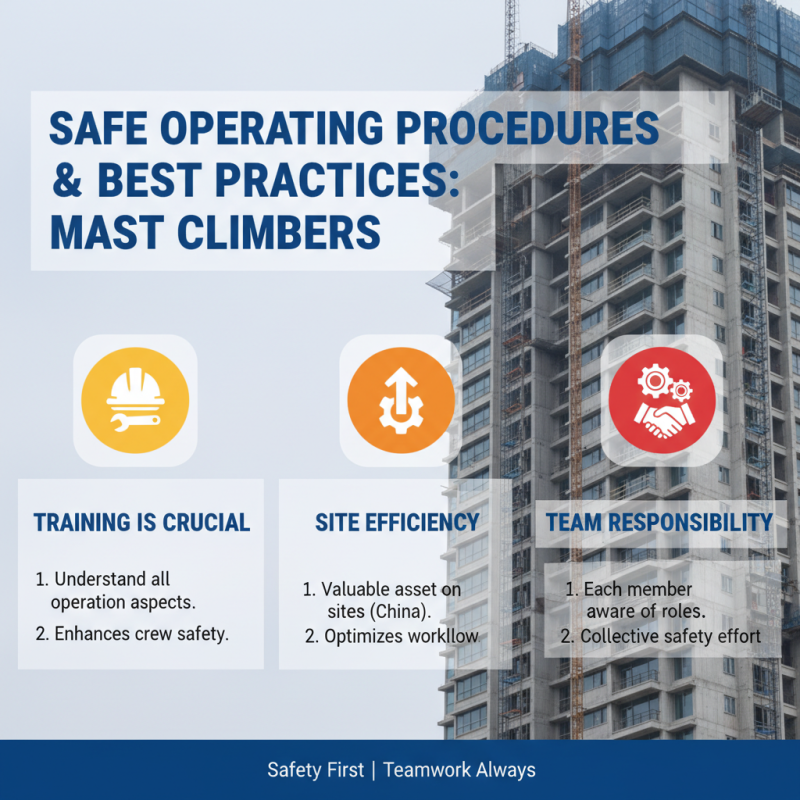
Mast climbers are a valuable asset on construction sites, especially in China. Ensuring safety while operating these machines is crucial. Workers must be trained to understand all aspects of mast climber operation. Proper training enhances the overall safety of the crew. Each team member should be aware of their responsibilities.

Regular inspections are essential. Check the mechanical parts before each use. Look for signs of wear or damage. It’s not uncommon to find minor issues that could become larger problems if ignored. Keeping a checklist can help ensure that no step is overlooked.

Communication is key during operations. Always maintain clear lines of communication among crew members. Whistle signals or hand signs may be useful when noise levels are high. Notice how team dynamics change during stressful situations. Encourage open feedback on safety practices. Regular discussions can highlight areas needing improvement.

Conducting Regular Maintenance and Inspections of Mast Climbers

Top Tips for Mast Climber Safety in China Best Practices?

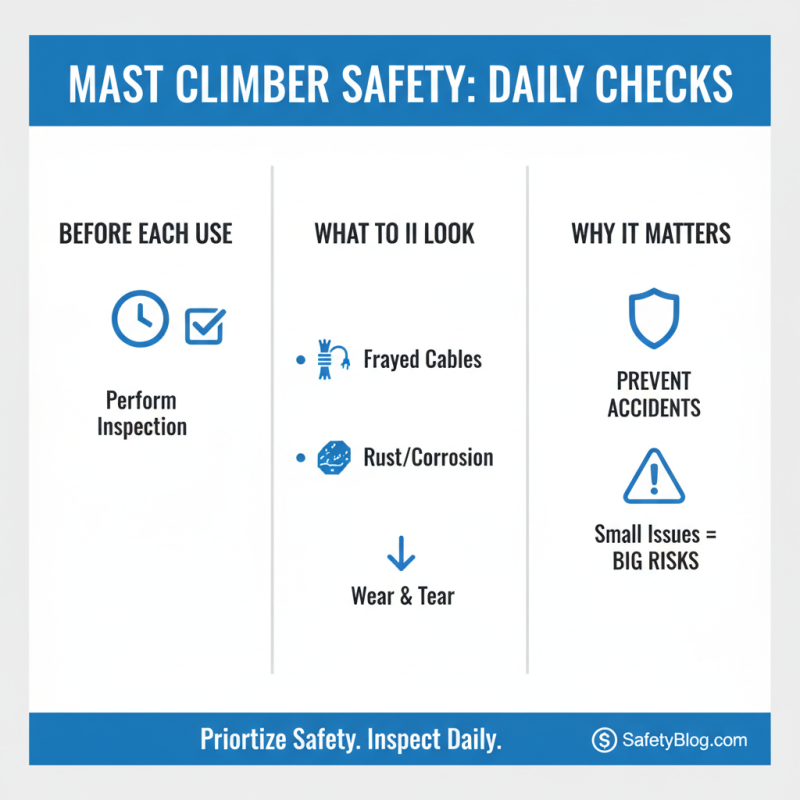
Regular maintenance and inspections are crucial for ensuring the safety of mast climbers. Workers should perform these assessments before each use. This practice helps identify potential issues that could lead to accidents. Look for signs of wear and tear, such as frayed cables or rust. Any small issue can escalate if ignored.

Check the mast's stability regularly. Loose bolts or misalignments can compromise safety. Inspect the safety devices as well. Ensure that all emergency systems are functioning properly. Often, these systems are the last line of defense in emergencies.

Reflection on past maintenance practices is important too. If an accident occurs, review what went wrong. Did a critical inspection get skipped? Implementing lessons from past experiences can prevent future incidents. Safety relies on diligence and continuous improvement.