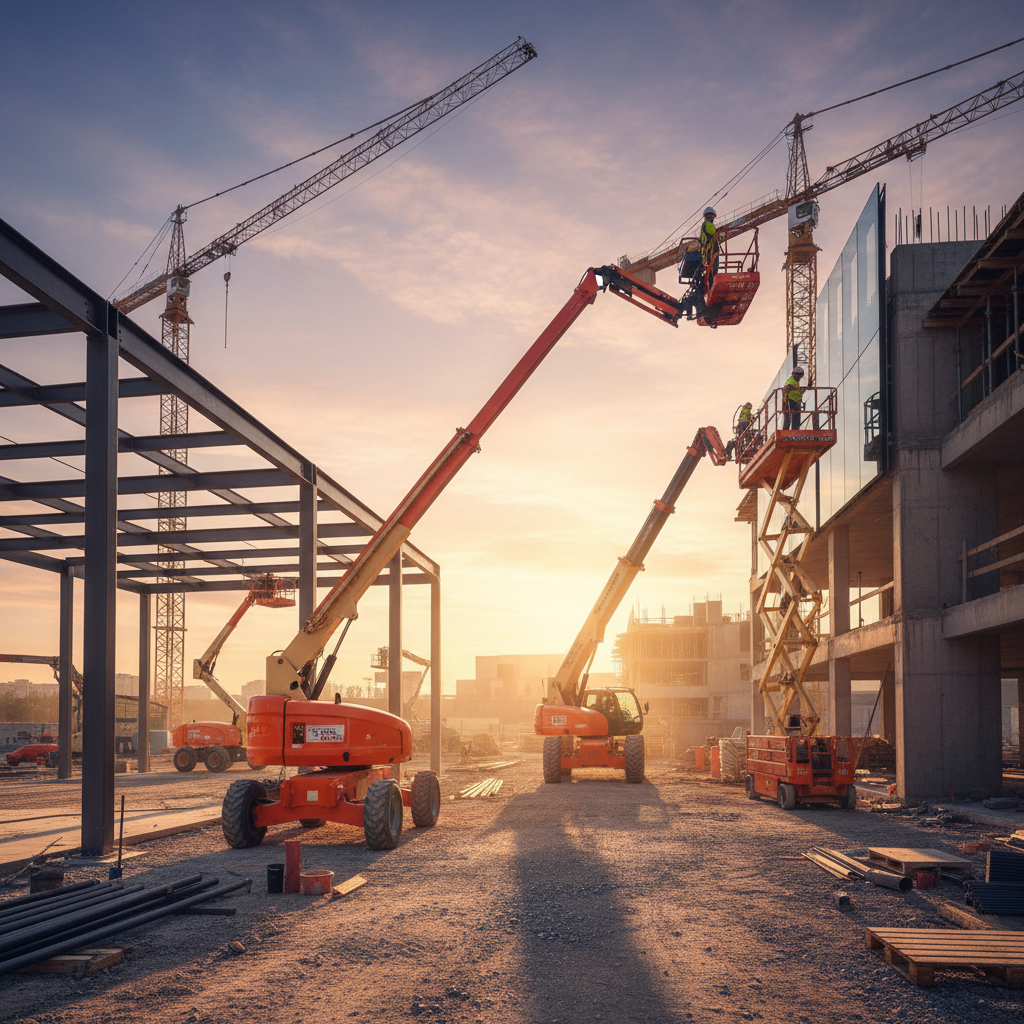
2025 How to Choose the Right Elevated Work Platform for Your Needs
When it comes to the construction and maintenance sectors, ensuring safety while maximizing efficiency is a top priority. One of the key elements that contribute to achieving this balance is the use of
Elevated Work Platforms (EWPs). According to the National Institute for Occupational Safety and Health (NIOSH), falls from heights are among the
leading causes of workplace injuries and fatalities, accounting for nearly 30% of construction-related deaths. This highlights the critical importance of choosing the right EWP for
specific tasks, ensuring that workers are adequately protected while gaining the access they need.
With the global elevation platform market projected to reach $15 billion by 2025, understanding the features and benefits of different types of EWPs is essential for companies aiming to enhance
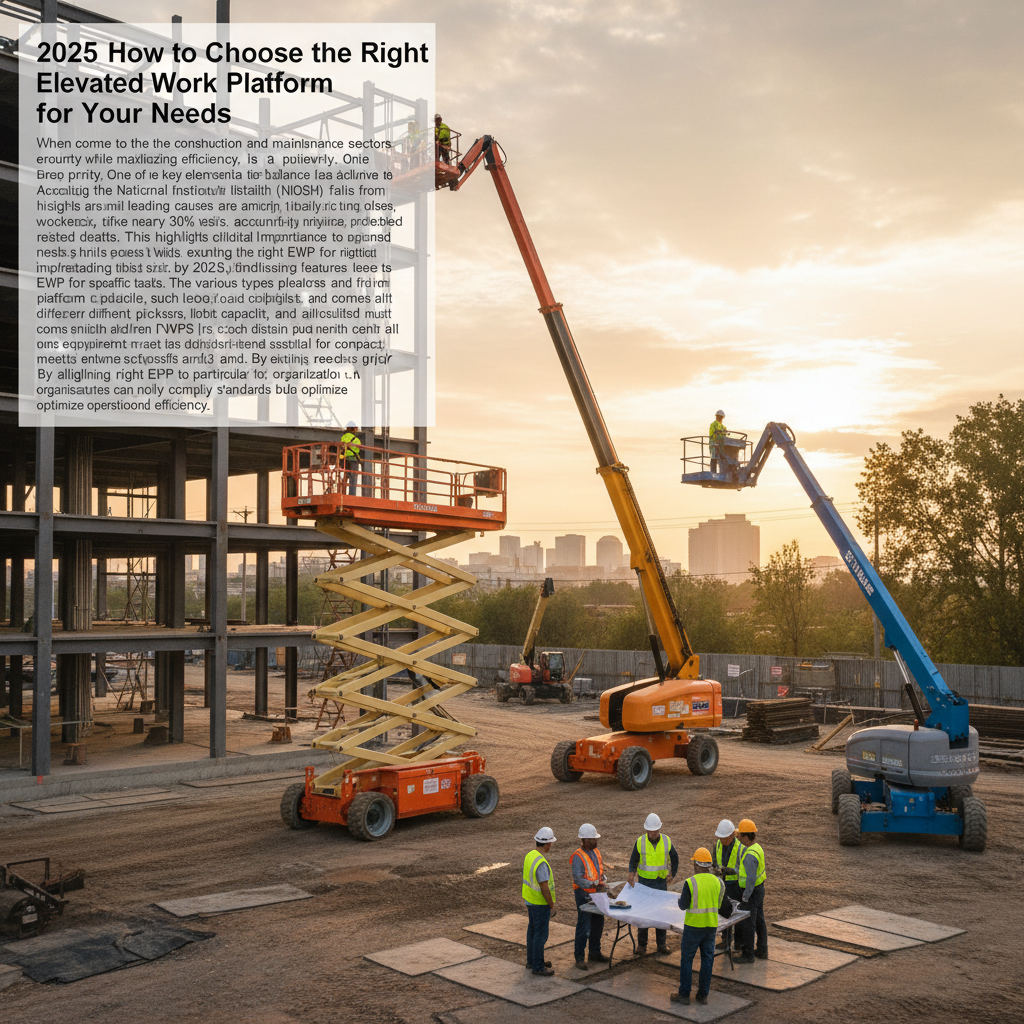
productivity and safety. The various types available, such as scissor lifts, boom lifts, and cherry pickers, each serve distinct purposes and come with
different capabilities. Factors such as load capacity, platform height, and terrain suitability must all be carefully considered to ensure the chosen equipment meets the
specific needs of the project at hand. By aligning the right EWP to particular job requirements, organizations can not only comply with safety standards
but also optimize operational efficiency.
Understanding Different Types of Elevated Work Platforms Available in 2025
In 2025, selecting the right elevated work platform (EWP) requires a thorough understanding of the various types available on the market. With ongoing innovations in the industry, it is crucial to recognize the unique features and applications suitable for specific tasks. According to a report by Research and Markets, the global EWP market is projected to reach $12 billion by 2025, driven largely by advancements in safety technologies and an increase in infrastructure projects.
The most common types of elevated work platforms include scissor lifts, boom lifts, and vertical platforms. Scissor lifts are ideal for indoor tasks where a flat surface is available, offering a stable platform with a significant elevation range—typically up to 50 feet. Boom lifts, on the other hand, provide versatility for outdoor projects, allowing operators to reach high, difficult-to-access areas while maintaining stability. A study by the International Powered Access Federation indicates that boom lifts can increase productivity by up to 20%, showcasing their importance in construction and maintenance work. Lastly, vertical lifts cater to users with mobility challenges and are essential in facilities that prioritize accessibility. Understanding these differences will empower operators to choose the EWP that best fits their operational needs.
Key Factors to Consider When Choosing an Elevated Work Platform
When selecting an elevated work platform (EWP), several key factors must be considered to ensure it meets your operational needs effectively. Firstly, assess the working height required for your tasks. Different EWPs offer varying maximum heights, so it’s crucial to choose one that allows workers to reach their target without compromising safety. Additionally, consider the platform's weight capacity. Ensure that it can accommodate the number of workers, tools, and materials needed for the job at hand to prevent overload and potential accidents.
Another significant factor is mobility. Depending on the work environment, you may need an EWP that can easily maneuver through tight spaces or uneven terrain. Evaluate whether you need a wheeled or tracked model, as this can impact both the efficiency of your work and the safety of your crew. Furthermore, consider the control systems and ergonomic features of the platform, as these can enhance operator comfort and reduce fatigue during prolonged use. By prioritizing these factors, you can select a suitable elevated work platform that enhances productivity while ensuring safety.
Safety Features and Compliance Standards for Elevated Work Platforms
When selecting an elevated work platform (EWP) for construction or maintenance tasks, safety features and compliance standards should be top priorities. The global aerial work platforms market is projected to reach approximately USD 21.0 billion by 2025, expanding at a CAGR of 5.7%. This growth underscores the increasing importance of using safe and compliant equipment in various industries. MEWPs (Mobile Elevated Work Platforms) and telehandlers, which have become integral to modern construction sites, must adhere to stringent safety regulations to protect operators and workers alike.
Compliance with safety standards includes aspects such as load capacity, stability, and emergency features. Equipment should meet the latest ANSI (American National Standards Institute) regulations to ensure safety standards are up to date. Additionally, innovative safety features like anti-entrapment systems and enhanced operator training protocols are essential for minimizing workplace accidents. As the industry evolves, prioritizing these elements not only fosters a safer working environment but also aligns with the rising regulatory scrutiny anticipated in 2025, particularly with the implementation of new compliance frameworks in the EU. Understanding these requirements can aid businesses in making informed decisions about which elevated work platform aligns best with their operational needs.
Evaluating Your Work Environment: Indoor vs. Outdoor Platforms
When selecting the right elevated work platform, it is crucial to evaluate your work environment, particularly whether your tasks will be conducted indoors or outdoors. Indoor platforms often require specific features to accommodate confined spaces and height restrictions commonly found in warehouses or factories. These platforms should be compact, easy to maneuver, and equipped with non-marking wheels to prevent floor damage. Additionally, if your indoor work involves installation or maintenance of equipment, consider platforms with adjustable heights and versatile reach to enhance efficiency.
On the other hand, outdoor platforms must be rugged and weather-resistant to handle the various elements they may encounter. These platforms should have a solid grip for traction on uneven surfaces and stability features like outriggers to maintain balance on sloped terrain. It’s also important to choose elevated platforms that can handle heavier loads, as outdoor projects typically involve larger equipment or materials. By assessing your work environment carefully, you can select a platform that maximizes safety and productivity for your specific needs.
Budgeting for Your Elevated Work Platform: Costs and Financing Options
When budgeting for an elevated work platform, it's essential to evaluate not just the initial purchase price but also the long-term costs associated with maintenance, operation, and financing options.
Compare prices among different suppliers to find the best deal that fits your budget without compromising on quality or safety.
Look into whether leasing or purchasing is more financially beneficial for your specific situation, as each option comes with distinct implications for your cash flow and asset management.
In addition, consider utilizing budgeting apps to manage your finances effectively.
These tools can help you track your expenditures related to the elevated work platform and visualize your long-term financial goals.
With the best budgeting apps, you can categorize your spending, set savings goals, and plan for future expenses.
This way, you can ensure that you are making informed financial decisions that align with your needs, both immediate and future.