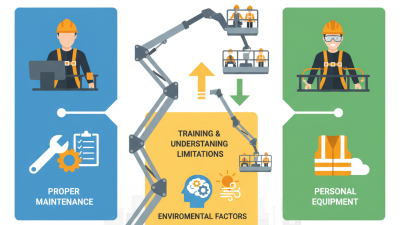
How to Choose Mast Climbing Gear for Your Next Project?
Choosing the right Mast Climbing Gear is vital for any construction project. John Smith, a leading expert in the industry, once said, "Selecting appropriate gear can make or break your project." This statement rings true, as the success of high-rise projects often hinges on the gear you use.
Mast climbing systems offer various advantages, including safety and efficiency. However, not all gear is the same. Factors such as load capacity, height reach, and platform size are crucial. Yet, many overlook these details. Inadequate planning can lead to inefficiencies and safety hazards, risking the entire project.
In understanding Mast Climbing Gear, it’s essential to reflect on past choices. Were they based on quality or cost? Rushing through the selection process can compromise safety. Quality gear may come with a higher price tag, but it often reduces accidents and increases productivity. Each decision around gear ultimately shapes the project's outcome.
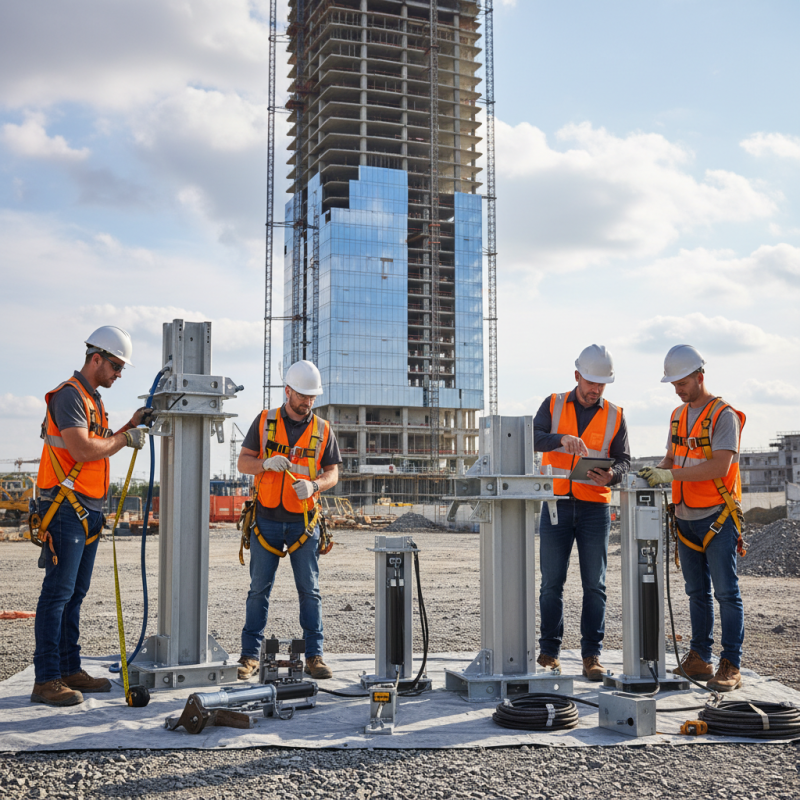
Understanding the Basics of Mast Climbing Gear and Its Uses
Mast climbing gear offers a practical solution for vertical access in construction and maintenance projects. Its design allows crews to work safely at heights. According to the Occupational Safety and Health Administration (OSHA), falls account for nearly 35% of construction site fatalities. This highlights the importance of choosing the right equipment.
When selecting mast climbing gear, consider the weight capacity. Many systems can support loads ranging from 1,000 to 2,000 pounds. Understanding the project needs is vital. Ensure the gear fits the height and the working area. Also, evaluate the terrain where the gear will be used. Slopes or uneven surfaces can affect stability.
Tips: Always consult with experts about weight limits. Miscalculating can lead to serious accidents. Regular inspections of the gear prevent unforeseen failures. Remember, not all projects are the same. Some may require more complex systems. Reflecting on past projects helps refine gear selection. Adapting to different scenarios is key.
Identifying Key Features to Look for in Mast Climbing Gear
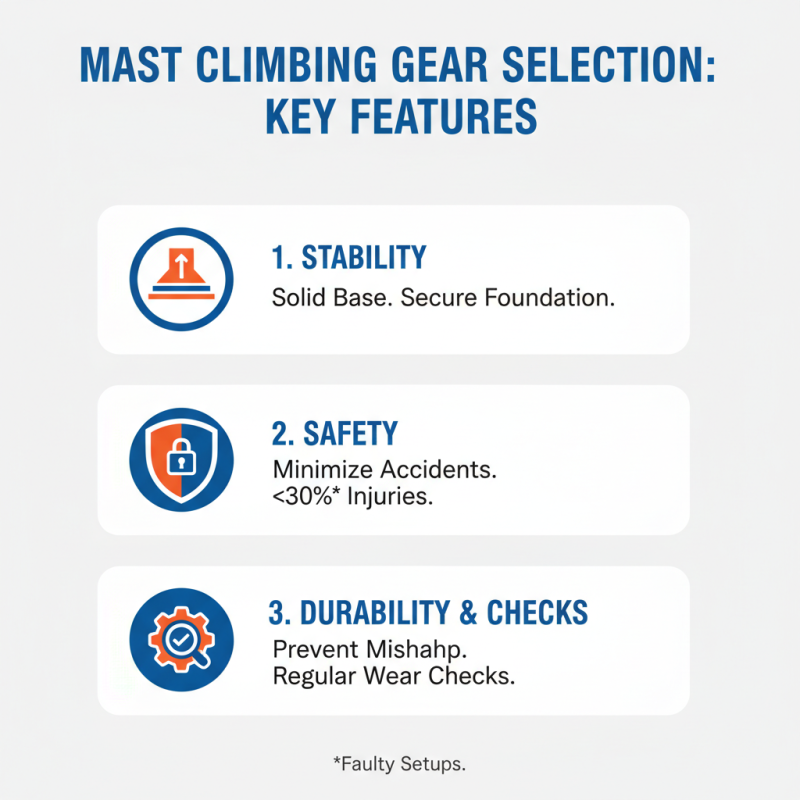
When selecting mast climbing gear, identifying key features is crucial. Stability is paramount. Look for gear that provides a solid base. A secure foundation minimizes the risk of accidents. Reports indicate that faulty setups contribute to over 30% of construction site injuries. Regular checks for wear and tear can prevent mishaps.
Another important aspect is the lifting capacity. Ensure the gear can support loads well beyond your expectations. According to industry standards, it should exceed anticipated weight by 25%. This buffer helps manage unexpected additions. Pay attention to the maximum height as well. Climbing gear typically needs to reach heights of at least 100 feet for most projects.
Safety harnesses are also vital. A high-quality harness keeps workers secure and connected. Choose gear that meets safety regulations. Regular inspections of all equipment are necessary. However, often overlooked, these checks can make a difference. Additionally, user feedback is valuable. It highlights real-world issues that may not appear in product specifications. This holistic approach can enhance safety and efficiency on your site.
Assessing Weight Capacity and Load Limits for Safety
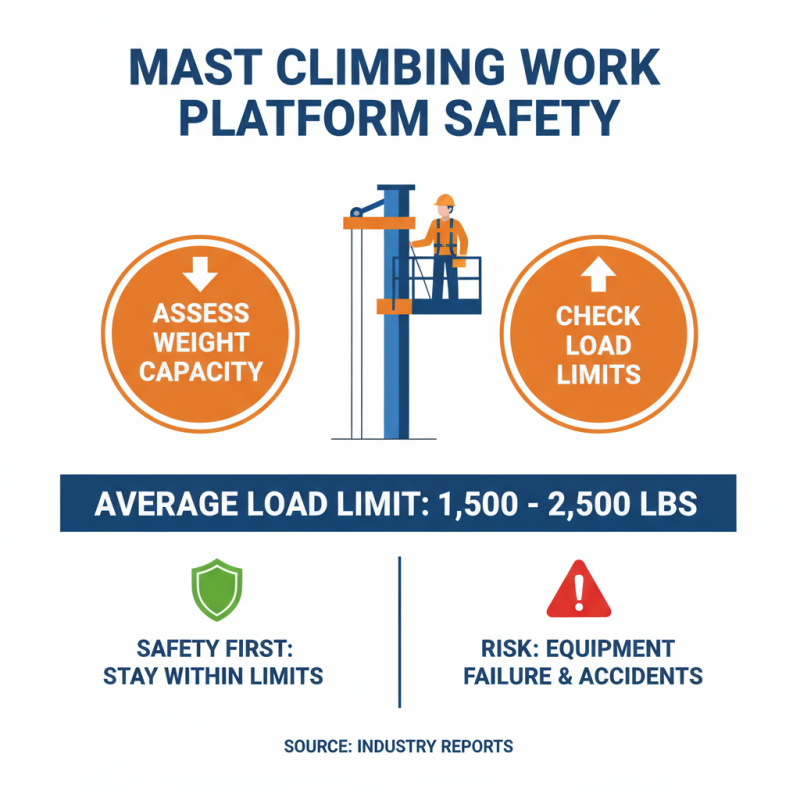
When selecting mast climbing gear, assessing weight capacity and load limits is critical for safety. Each piece of equipment comes with specific load ratings. According to recent industry reports, the average load limit for mast climbing work platforms is typically between 1,500 and 2,500 pounds. It's essential to know how much weight your project requires. Exceeding these limits can lead to equipment failure or serious accidents.
Understanding how to calculate the total load is not always straightforward. Workers often forget to include tools, materials, and personnel weight. A 2017 study indicated that around 30% of accidents on construction sites were due to overloading equipment. This statistic highlights the need for careful planning and consideration. Workers must evaluate their needs meticulously.
Moreover, environmental factors can affect load limits. Weather conditions like wind and rain can alter how the gear performs. If the platform is overloaded in poor weather, the risk increases significantly. Evaluating the work conditions is as crucial as knowing the numbers. Recognizing these details helps improve safety without being overly confident. It is a balancing act that requires constant attention and awareness to ensure the safety of every project.
Comparing Material Options for Durability and Performance
Choosing the right mast climbing gear is crucial for your project's success. Material selection impacts both durability and performance significantly. Common materials include aluminum, steel, and fiberglass, each with distinct characteristics.
Aluminum is lightweight and resistant to corrosion. It’s ideal for projects where weight matters. According to industry reports, aluminum structures can last up to 20 years with proper maintenance. However, they may not perform well in extreme conditions.
Steel offers superior strength. It withstands heavy loads but is prone to rust. The life expectancy for steel gear averages around 15 years. Consider the environment before making a choice.
Tip: For a balance of weight and strength, mixed materials could be a solution. They cater to different project demands.
Fiberglass is another alternative. It's lightweight and resistant to chemicals. However, it can be less durable against physical impacts. With a lifespan of approximately 10 years, it's important to assess the specific demands of your project.
Tip: Regular inspections can help identify wear and tear before it becomes an issue. Understanding material properties is essential for safe, effective gear use.
Evaluating Brand Reputation and Product Reviews Before Buying
When selecting mast climbing gear, evaluating brand reputation is essential. Many brands claim to provide high-quality equipment. However, not all deliver on their promises. Customers often share their experiences in online reviews. These real-world insights can help you gauge the reliability of a brand. Look for common themes in reviews. Are there frequent complaints about durability? Do users mention safety concerns?
Reading product reviews is equally important. Dive into detailed feedback. Some users may highlight useful features that you might overlook. Others may point out shortcomings that could affect your choice. Pay attention to ratings, but also read the written comments. Everyone’s needs vary, so what works for one person may not work for you. A product with mixed reviews may need careful consideration.
It’s beneficial to explore forums or industry blogs. These platforms often provide deeper analyses. Sometimes, professionals critique specific models, offering insights that reviews may miss. Reflect on their suggestions and how they relate to your needs. This thorough approach can lead to better decision-making. How you evaluate options today might shape your project’s success tomorrow.
How to Choose Mast Climbing Gear for Your Next Project?
| Gear Type |
Weight Capacity |
Material |
Price Range |
User Rating |
| Mast Climber |
1000 kg |
Aluminium |
$3000 - $5000 |
4.5/5 |
| Climbing Platform |
800 kg |
Steel |
$2500 - $4000 |
4.7/5 |
| Safety Harness |
N/A |
Nylon |
$150 - $300 |
4.8/5 |
| Rope Access Gear |
N/A |
Polyester |
$200 - $600 |
4.6/5 |