How to Choose the Best Hek Mast Climber for Your Project?
Choosing the right Hek Mast Climber for your project can greatly impact efficiency and safety. These climbers provide essential support for workers at height, making them vital on construction sites. However, the selection process can seem overwhelming.
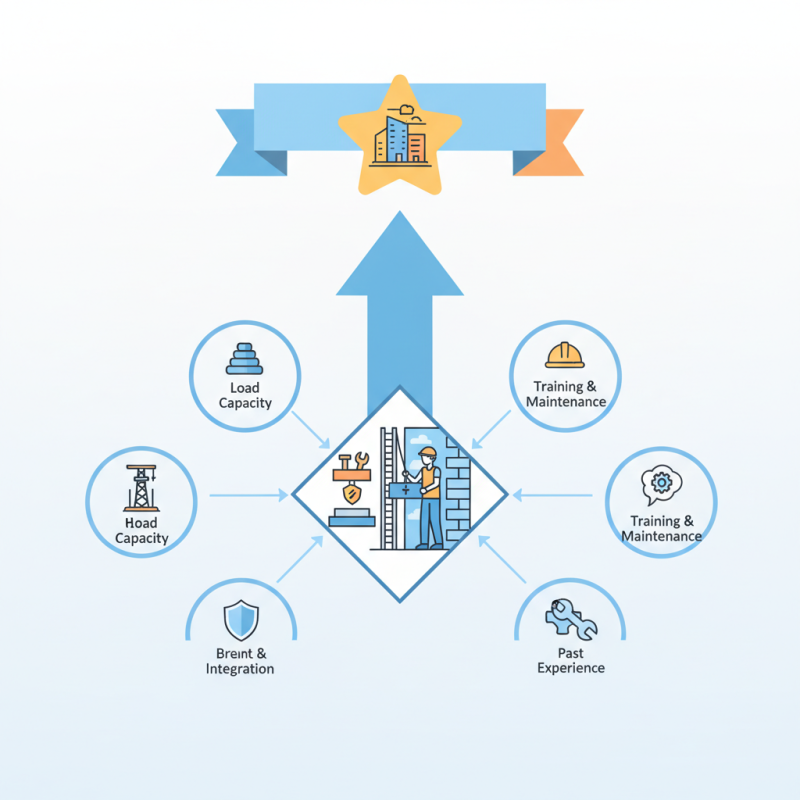
Many factors come into play. Consider the load capacity needed for your specific tasks. Think about the height you require and how the climber integrates with the overall project design. It's also important to evaluate the brand's reputation and after-sales support. A poorly chosen Hek Mast Climber can lead to delays or safety hazards.
Don't overlook the importance of user training and maintenance as well. Even the best equipment needs proper handling. Reflect on past experiences, and learn from them. Getting the right Hek Mast Climber can set the foundation for a successful project.
Understanding the Types of Hek Mast Climbers Available in the Market
When selecting a Hek mast climber, understanding the various types available is crucial. The market offers several variants, including single and double mast climbers.
Single mast climbers are ideal for lightweight tasks. They can handle minimal weight yet provide flexibility. Meanwhile, double mast units support heavier loads and are more stable, perfect for multi-story buildings. They offer a working platform that can elevate to significant heights.
According to the Construction Equipment Association, mast climbers have seen a 20% increase in usage over the last three years. This growth is primarily due to their efficiency in constricted urban areas. However, users must consider specific project needs. A climber designed for heavy tiles may not be suitable for lighter installations. Misjudging this can lead to delays and safety concerns. Furthermore, operators should receive proper training to maximize safety. Choosing the right type affects overall project success, especially when working in challenging environments.
Analyzing Load Capacity and Height Reach of Hek Mast Climbers
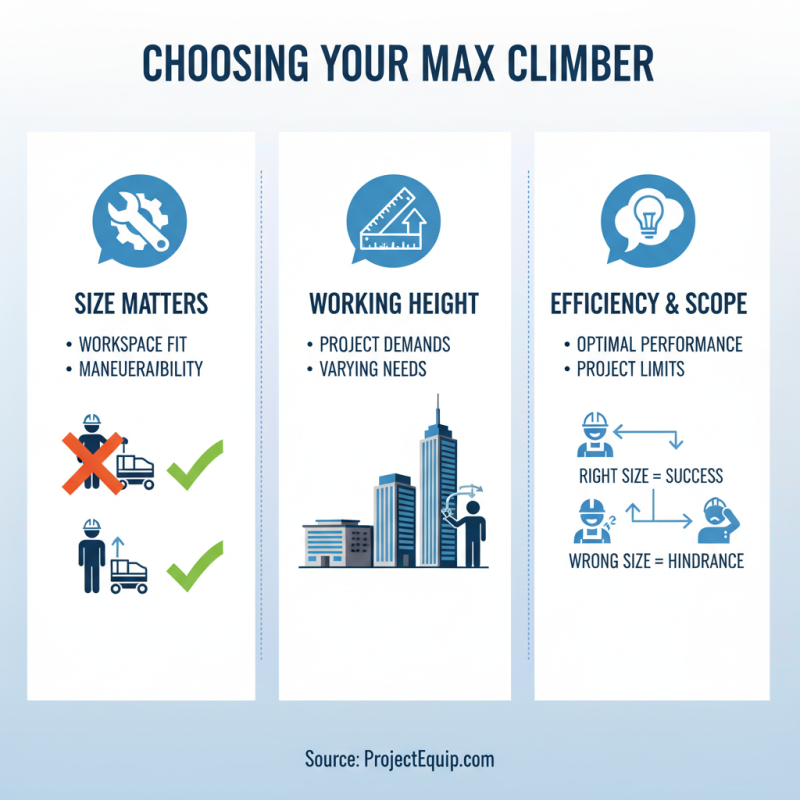
When selecting the best mast climber, load capacity and height reach are crucial factors. The load capacity of a mast climber can range significantly, with models supporting between 1,000 kg to 3,000 kg. This variation can impact project efficiency. A climber with a higher load capacity means fewer trips and faster project completion. However, it also requires careful evaluation to match it to your specific needs.
Height reach is another vital aspect. Many mast climbers can extend up to 100 meters. This feature is beneficial for high-rise projects. However, the higher the reach, the more stability and safety protocols must be considered. Recent industry reports highlight that climbers operating at significant heights often require additional safety measures like enhanced anchorage systems. Projects might face delays if the chosen climber doesn’t meet these operational requirements.
Additionally, not all projects are the same; variations in terrain and structural location affect performance. A climber that excels in a straightforward project may falter in complex conditions. It's essential to assess the specific environment of your project site. Analyzing these factors will ensure that your selected mast climber aligns well with your operational goals. Choosing wisely here is vital for long-term success.
Evaluating Safety Features and Compliance Standards in Hek Mast Climbers
When selecting a Hek mast climber, safety features are crucial. Inspecting a climber's compliance with national and international standards is essential. Reports indicate that about 40% of accidents occur due to equipment failure. Therefore, understanding the compliance metrics can prevent mishaps on site.
Focus on features like emergency braking systems and load monitoring alerts. These enhancements are not just add-ons; they can save lives. Safety standards such as EN 1808 and ISO 9001 emphasize reliability. Non-compliance can lead to serious consequences for both workers and project timelines.
Moreover, reviewing user feedback can help gauge real-world safety. Sometimes, manufacturers may overlook some details in their claims. For example, a climber might pass initial tests but fail under prolonged use. Continuous monitoring during operation often proves more effective than a one-time inspection. Ensure that your choice doesn’t just meet the minimum requirements but actively promotes safety.
How to Choose the Best Hek Mast Climber for Your Project? - Evaluating Safety Features and Compliance Standards in Hek Mast Climbers
| Feature |
Description |
Compliance Standards |
Safety Rating |
Load Capacity (kg) |
| Guardrails |
Safety barriers to prevent falls |
EN 12810 |
Grade A |
2000 |
| Emergency Stop |
Immediate halt feature in emergencies |
ISO 13850 |
Grade A |
1500 |
| Safety Harnesses |
Personal fall protection equipment |
EN 361 |
Grade B |
1800 |
| Load Monitoring Systems |
Real-time load tracking to prevent overload |
EN 12079 |
Grade A |
2500 |
| Stability Indicators |
Ensure secure positioning during use |
EN 12811 |
Grade B |
1600 |
Cost vs. Benefit Analysis: Budgeting for Your Hek Mast Climber Investment
When budgeting for a Hek mast climber, evaluating cost vs. benefit is crucial. For instance, the rental cost of a mast climber can range from $1,000 to $3,000 per month, depending on specifications. This is a significant expense, especially for smaller projects. However, if used efficiently, these climbers can save up to 25% on labor costs, according to industry reports. This efficiency often offsets the initial investment, allowing projects to stay on track and within budget.
The initial purchase price of a new mast climber typically starts around $25,000. While this may seem high, the long-term benefits can outweigh the costs. For large projects, the overall investment can lead to quicker completions and less downtime. Studies highlight that using mast climbers can reduce project timelines by up to 30%. Yet, using these machines comes with challenges. They require trained operators and regular maintenance, which adds to ongoing expenses. Thus, thorough planning is essential.
Finally, while the upfront costs are important, considering potential returns is vital. Potential savings in labor and time can transform the financial landscape of a project. However, if not managed properly, these investments could lead to unforeseen costs. Balancing expectations with real-time financial realities is essential for successful project execution.
Cost vs. Benefit Analysis of Hek Mast Climbers