How to Get Certified in Elevated Work Platform Training?
Elevated Work Platform Training is essential in today’s construction and maintenance industries. Understanding how to operate these platforms safely can prevent accidents and save lives. Many professionals need this certification to enhance their skill set and job security.
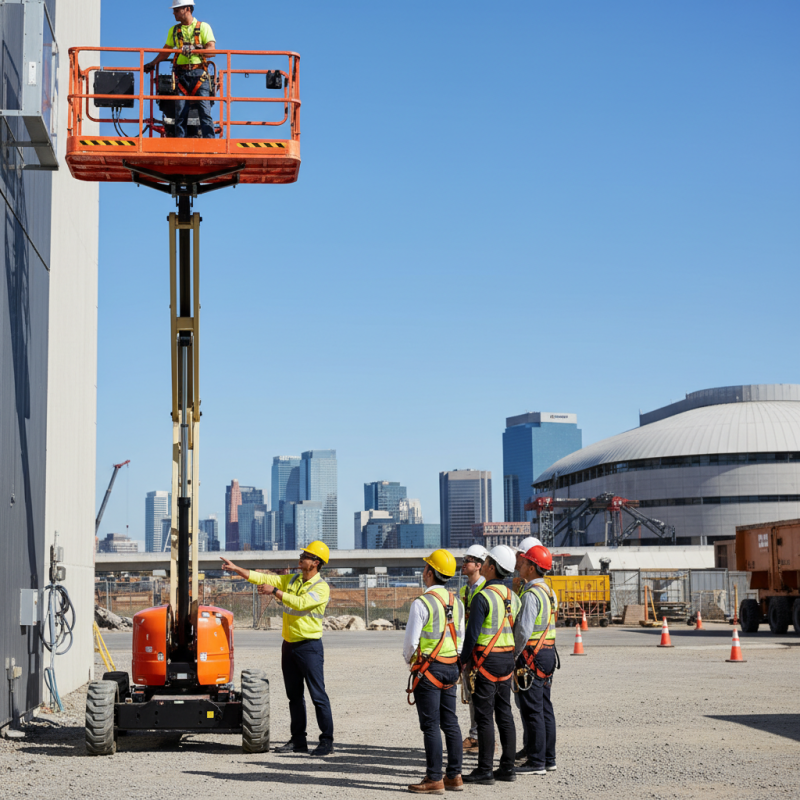
Training programs vary in quality and content. Some may offer in-depth knowledge, while others only skim the surface. It's vital to find a reputable provider to ensure comprehensive training. Real-world experience is equally important; practicing on actual equipment is crucial for building confidence.
Many overlook the importance of ongoing education in this field. Training should not be a one-time event. Regularly updated courses help maintain skills and knowledge relevant to new technologies and safety protocols. Reflecting on past mistakes can lead to better practices in the future.
Understanding Elevated Work Platform Training Requirements
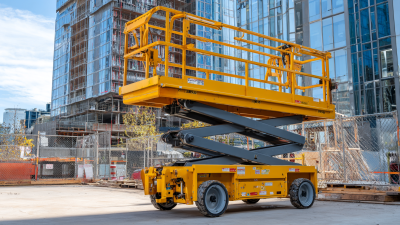
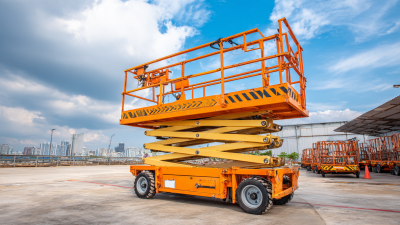
Understanding Elevated Work Platform Training Requirements is crucial for safety in various industries. Elevated Work Platforms (EWPs) are essential for tasks at height. However, the risks involved can be significant. Proper training ensures operators are skilled and aware of safety protocols.
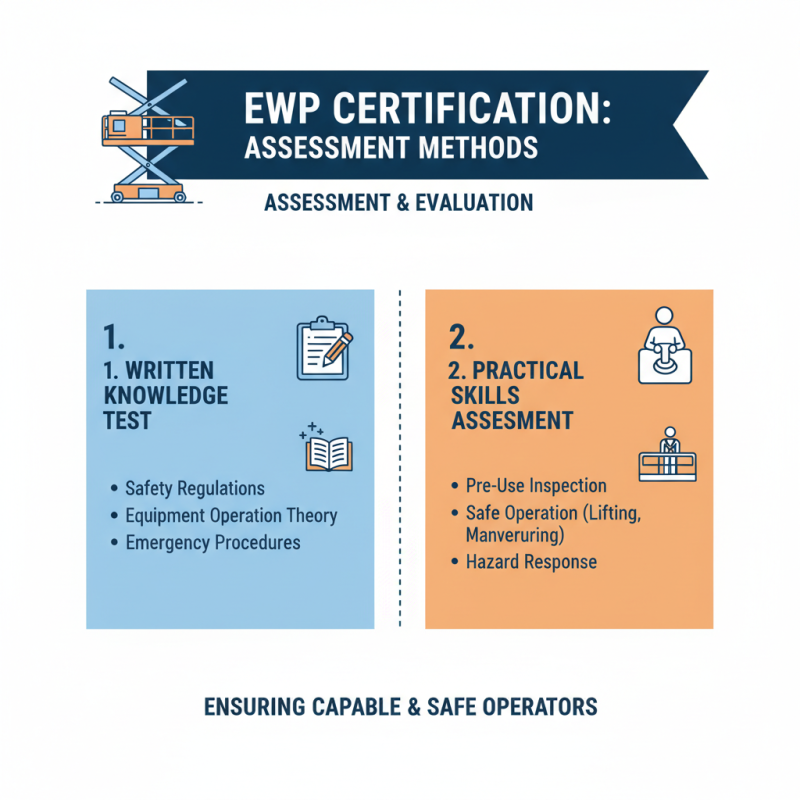
To begin, one must meet the basic prerequisites. This usually includes being at least 18 years old and having good physical health. Some programs require specific skills, like basic mechanics or heavy equipment operation. Additionally, a written or practical assessment may be necessary to gauge understanding.
Training courses cover various topics. These often include safety measures, equipment operations, and emergency procedures. The nuances can differ based on the platform type. Understanding the manufacturer’s instructions is also vital.
Regular refresher courses help in keeping skills sharp. Individuals sometimes overlook the importance of ongoing education. It is essential to stay updated on new regulations and technologies in the field.
Types of Certifications for Elevated Work Platforms
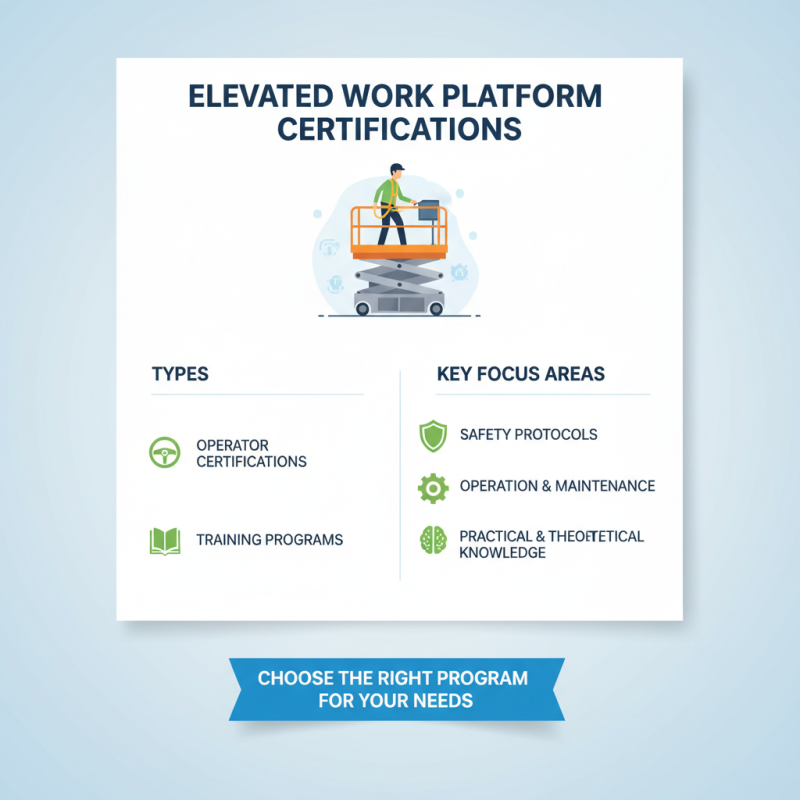
When considering certifications for elevated work platforms, various options are available. Common types include operator certifications and training programs. Each program may emphasize different aspects of safety, operation, and maintenance. Some focus on practical skills, while others cover theoretical knowledge.
Training can be hands-on or virtual. Hands-on training often involves using equipment in real-world scenarios. This approach helps reinforce learning and builds confidence. Virtual training can provide flexibility but may lack practical experience. Participants need to reflect on their learning styles to choose the best method.
It is essential to understand the requirements before pursuing certification. Some regions may have specific regulations or preferred certification programs. Researching local guidelines can help aspiring operators make informed choices. Reflecting on safety practices is crucial in this field. While certifications provide knowledge, real-world experience remains invaluable.
Step-by-Step Guide to Enroll in Training Courses
Elevated Work Platform (EWP) training is essential for safety in various industries. Proper training reduces accidents. According to the Occupational Safety and Health Administration (OSHA), around 85% of fatal falls in construction come from unwarranted access to elevated areas. Therefore, enrolling in a certified EWP training course is crucial.
The process of enrolling in EWP training is straightforward. Start by researching accredited providers. Review their course offerings and duration. Courses usually last between 4 to 8 hours, and they often include both theory and practical assessments. It’s essential to ensure the training aligns with industry standards. An estimated 64% of employers prioritize safety certification when hiring. This statistic reflects the importance of proper training for job seekers.
Consider the cost of these courses as well. Prices can range from $150 to $500. While this may seem high, the investment pays off. Trained individuals are less likely to cause harm to themselves or others. Reflecting on personal safety as well as the safety of peers is vital. When individuals focus on their training, overall workplace safety increases.
Maintaining Certification: Renewal and Continuing Education
Maintaining certification in Elevated Work Platform (EWP) training is crucial in ensuring safety and compliance. Many industries rely on certified operators to manage heavy equipment efficiently. According to a report from the Occupational Safety and Health Administration (OSHA), proper training reduces workplace accidents by up to 30%. Keeping your certification current is not just a regulatory requirement; it's about fostering a culture of safety.
Tips for maintaining your EWP certification include taking refresher courses every few years. Many organizations recommend scheduling these courses before your certification expires. Some regions mandate recertification every three years, while others may require it more frequently. Keep an eye out for workshops and webinars that can enhance your knowledge. Practical training updates are also vital, as technology and equipment standards evolve.
One common oversight is neglecting ongoing education. Many operators stop learning once they obtain their certification. This mindset can lead to outdated practices and increased risks. Regularly reviewing safety protocols and new equipment technologies can make a significant impact. It’s also beneficial to network with industry professionals to share insights and experiences. Engaging in a community of peers can highlight gaps in your knowledge and training.
Certification Progress in Elevated Work Platform Training