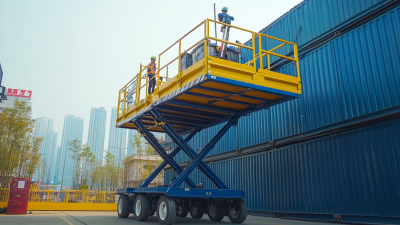
Best Raised Work Platforms for Safety and Efficiency Tips?
In today's dynamic work environment, safety and efficiency are top priorities. One solution that addresses both needs is the use of raised work platforms. These platforms provide workers with elevated access, reducing the risk of accidents caused by improper reaching or climbing. However, while they enhance productivity, one must reflect on their appropriate use and safety practices.
Choosing the right raised work platform can significantly impact workflow. It's crucial to assess your specific needs. Not all platforms are created equal; some suit industrial environments, while others work better in outdoor settings. The wrong choice can actually hinder efficiency and increase hazards. Awareness about these potential pitfalls is essential for making informed decisions.
Proper training and regular inspections are also vital. Many overlook the importance of maintenance. Ensuring that a raised work platform is in good condition is necessary to prevent accidents. Being diligent about these factors can lead to a safer and more efficient workspace for everyone involved.
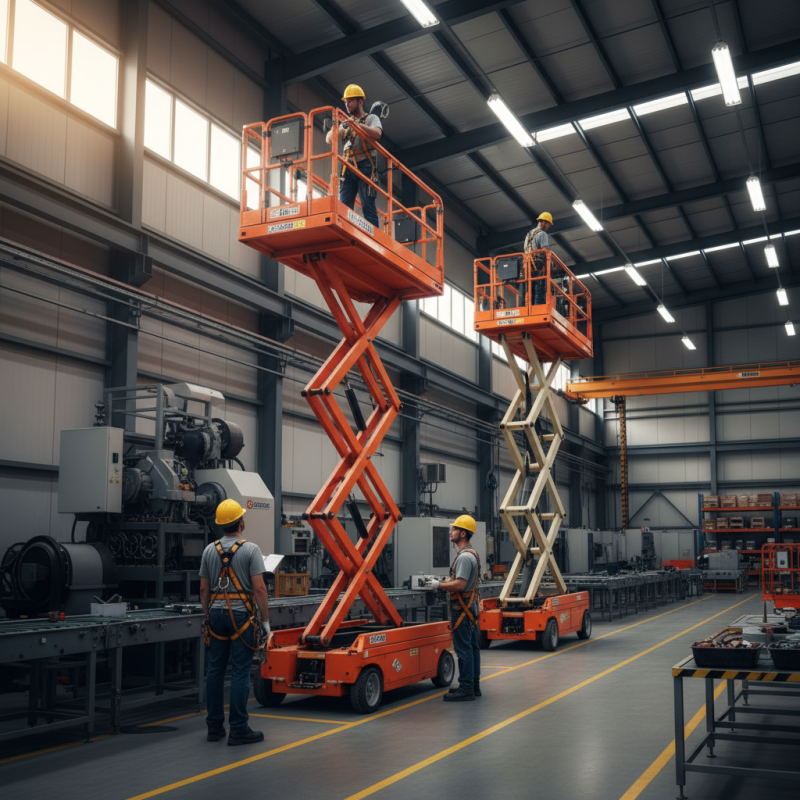
Understanding Raised Work Platforms and Their Importance in Safety
Raised work platforms are vital in many industries. They provide safe access to hard-to-reach areas and enhance efficiency. When using these platforms, safety should always be a priority. Understanding the correct operation and maintenance of raised work platforms can make a significant difference.
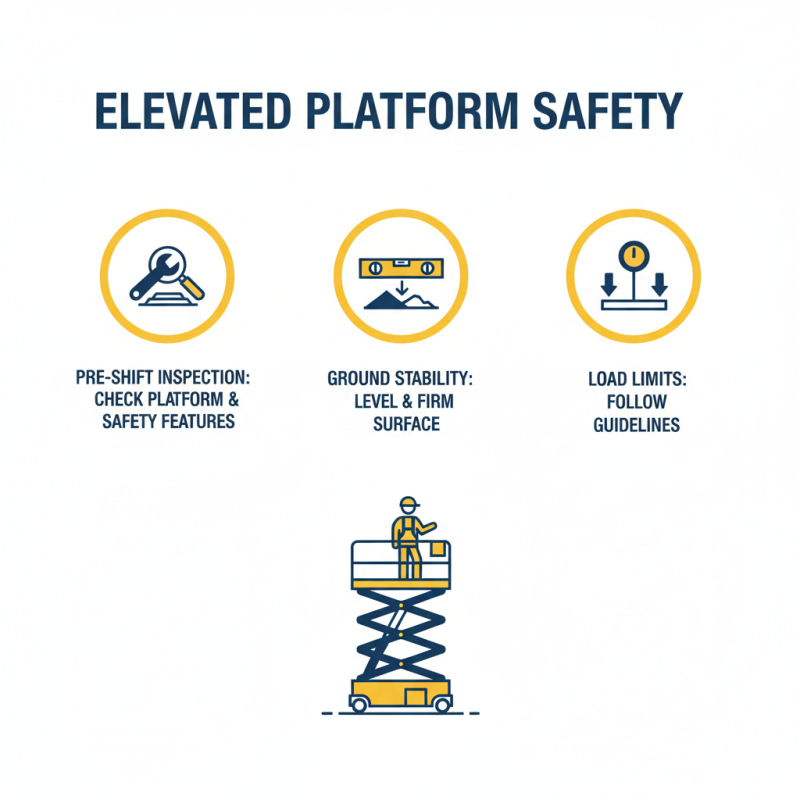
One critical tip is to inspect the platform before each use. Look for signs of wear or damage. A small crack can lead to serious accidents. Ensure all safety features are functional. Another key point is to use proper training. Workers must know how to operate the equipment correctly. This knowledge helps prevent misuse and misunderstandings.
Consider the environment as well. Overhead hazards can pose dangers. Always assess the area before working. Remember to secure tools and materials. A falling object can cause injuries. By acknowledging these risks, teams can create safer workspaces.
Best Raised Work Platforms for Safety and Efficiency
Types of Raised Work Platforms for Various Applications
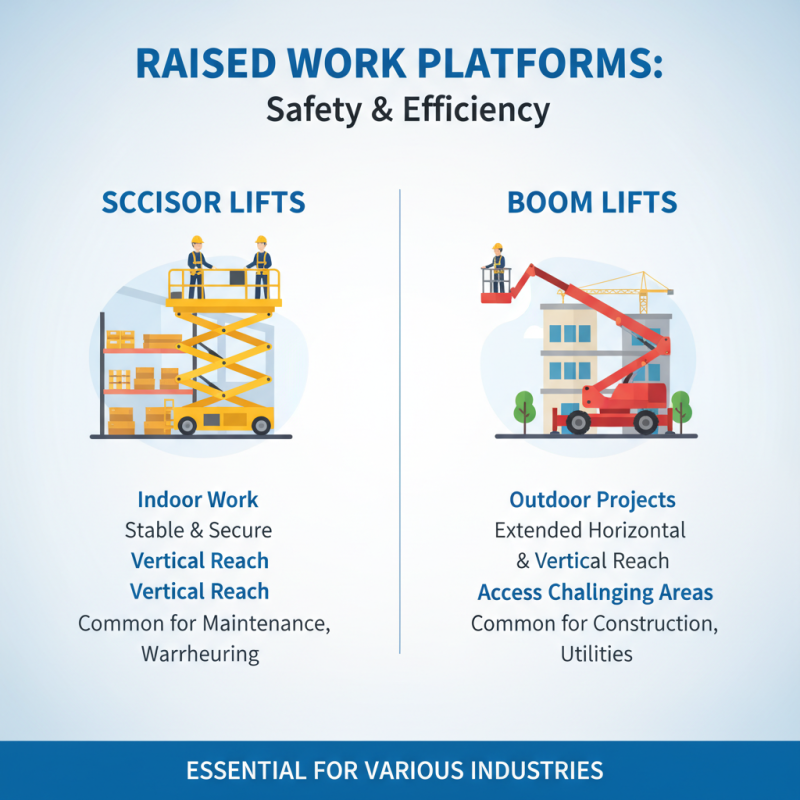
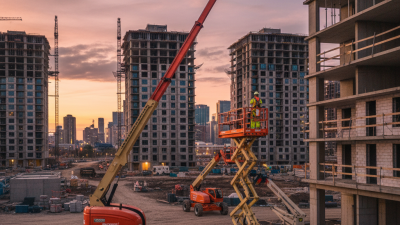
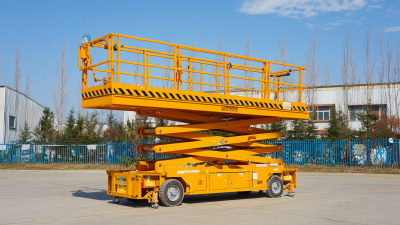
Raised work platforms are essential in various industries, providing safety and efficiency. They come in different types, each suited for specific applications. Scissor lifts are popular for indoor work. They offer stability and can reach significant heights. For outdoor projects, boom lifts are often preferred. Their extended reach allows workers to access challenging areas.
Another option is the aerial work platform. This type is beneficial for maintenance tasks. It can navigate tight spaces effectively. However, using these platforms requires proper training. Operators must understand their limitations. Safety should always be a priority, as accidents can happen.
There is also the mobile elevating work platform (MEWP). It's versatile and suitable for quick tasks. However, it can be tricky to maneuver in small areas. Each platform has its advantages and challenges. Choosing the right one depends on the specific job requirements. Users must reflect on their needs for efficiency.
Key Features to Look for in Raised Work Platforms
When selecting raised work platforms, safety and efficiency are paramount. Key features play a crucial role in ensuring optimal performance. Platforms should have slip-resistant surfaces to prevent accidents. A recent study indicated that over 30% of workplace injuries stem from falls on these surfaces. Investing in products with anti-slip features can reduce incidents significantly.
Adjustable height is another critical aspect. Many professionals require different heights for various tasks. A report from the Occupational Safety and Health Administration (OSHA) states that adjustable platforms enhance productivity by up to 25%. This efficiency gain often translates to project completion ahead of schedule.
Weight capacity is also vital. Platforms should support the weight of workers and tools safely. Regularly, platforms are overloaded, which leads to hazards. Data shows that equipment failure often occurs when weight limits are exceeded. Regularly assessing the needs and capacity can prevent dangerous situations. Prioritizing these features will not only enhance safety but also improve overall efficiency in the workplace.
Best Raised Work Platforms for Safety and Efficiency Tips - Key Features to Look for in Raised Work Platforms
| Feature |
Description |
Safety Rating |
Height Range (ft) |
Weight Capacity (lbs) |
| Non-slip Surface |
Prevents slipping and enhances grip. |
A+ |
4 to 10 |
500 |
| Adjustable Height |
Allows customization for varying tasks. |
A |
3 to 12 |
600 |
| Guard Rails |
Provides stability and prevents falls. |
A+ |
5 to 15 |
550 |
| Portable Design |
Easy to move for flexibility in usage. |
B+ |
4 to 8 |
400 |
| Electric Lift |
Automated mechanism for quick adjustments. |
A |
6 to 20 |
700 |
Best Practices for Operating Raised Work Platforms Safely
Operating raised work platforms requires careful attention to safety practices. Before starting any work, check the platform's condition. Look for signs of wear and ensure that all safety features function correctly. It’s crucial to inspect the ground surface as well. Uneven terrain can lead to instability. Always use the platform as intended, following guidelines for weight limits.
Training is key for safe operation. All workers must fully understand how to use the platform. It helps to provide demonstrations for new users. Encourage open dialogue about safety concerns. Workers may notice issues that a supervisor might overlook. Regularly revisit safety protocols. This keeps everyone aware and vigilant.
When working at height, use fall protection systems. Harnesses and lanyards are essential tools. Ensure they are worn properly and are not damaged. Additionally, keep the work area tidy. Clutter can lead to trips and falls. Taking time to maintain a clean workspace can prevent accidents. Fostering a culture of safety means everyone must participate. Everyone may forget a rule now and then, but reflection helps improve practices.
Tips for Maintaining Efficiency and Safety on Work Platforms
Maintaining efficiency and safety on raised work platforms is crucial for any workplace. According to a report by the Occupational Safety and Health Administration (OSHA), falls from heights account for a significant number of workplace injuries. It's vital to create a culture that prioritizes safety.
Tip: Regular training sessions can greatly reduce risks. Workers should understand the equipment and safety protocols. A study indicated that teams with regular safety drills see a 25% drop in incidents. It's an investment in human capital.
Moreover, platforms should be inspected daily before use. Any significant wear, such as frayed ropes or faulty harnesses, should be addressed immediately. Research shows that approximately 10% of workplace accidents stem from equipment failure. Remember, a small oversight can lead to major consequences.
Tip: Implement a checklist for each platform, covering inspections and safety gear usage. This simple step can enhance accountability among workers. While it may seem tedious, these practices save lives and improve overall efficiency.