2026 Best Mobile Elevated Work Platform Training Tips?
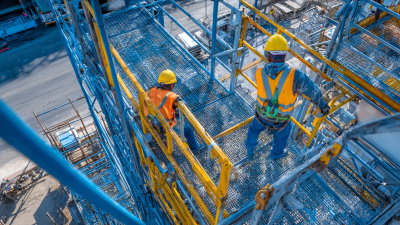
Mobile Elevated Work Platform Training is essential for the safety and efficiency of workers using aerial lifts. According to the Occupational Safety and Health Administration (OSHA), falls account for about 34% of construction fatalities. This statistic highlights the critical need for comprehensive training programs. Effective training reduces incidents and enhances productivity.
Industry reports indicate that well-trained workers are 60% less likely to experience accidents. This statistic emphasizes the importance of proper Mobile Elevated Work Platform Training. Training should cover safety protocols, equipment operation, and hazard awareness. Diversified training methods, including hands-on experience and simulations, can further enhance learning.
Despite advancements, many companies struggle with training implementation. Inconsistent practices and insufficient resources can lead to gaps in knowledge. Continuous evaluation and improvement of training programs are necessary. By reflecting on challenges and successes, organizations can ensure a safer work environment. Prioritizing Mobile Elevated Work Platform Training can significantly impact safety records and overall operational success.
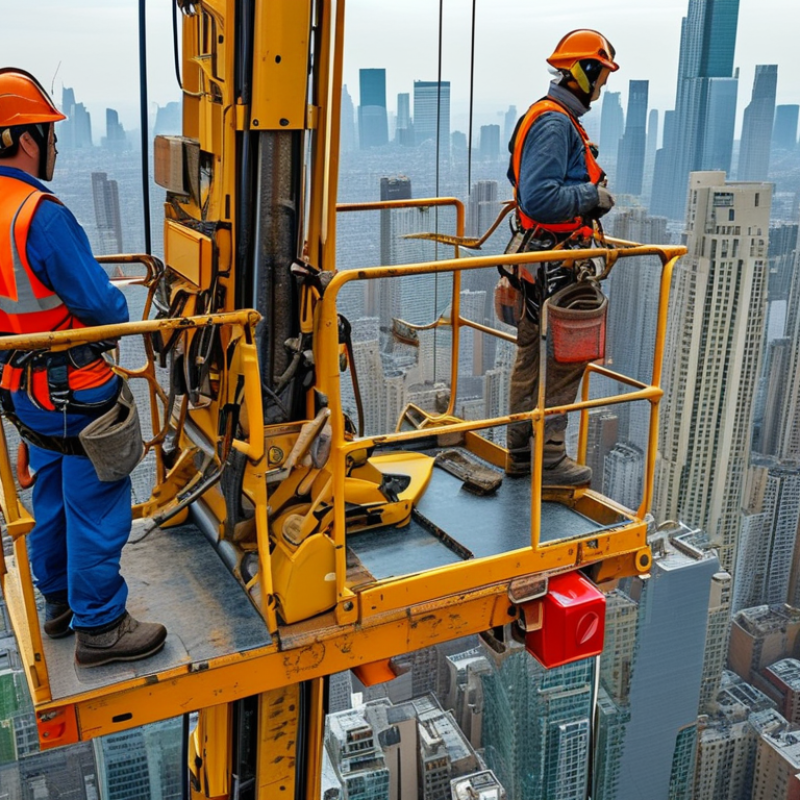
Essential Safety Practices for Mobile Elevated Work Platforms Training
When it comes to Mobile Elevated Work Platforms (MEWPs), safety is non-negotiable. Proper training is crucial. Instructors must be experienced and knowledgeable. Regular assessments can highlight areas needing improvement. The goal is to ensure everyone feels confident and competent.
One essential tip is to ensure thorough familiarity with the equipment. Operators should understand controls and features. This knowledge reduces the risk of accidents. Practicing in a controlled environment can help build this confidence. Start slow, especially for beginners.
Another critical practice is conducting daily inspections. A quick check can prevent serious hazards. Look for issues like leaks or loose parts. Encourage team members to report any irregularities. Open communication fosters a proactive safety culture. Mistakes can happen, but addressing them promptly is key to overall safety.
Key Components of Effective Training Programs for MEWPs
Effective training programs for Mobile Elevated Work Platforms (MEWPs) are essential for ensuring safety and proficiency. These programs should include hands-on practice. Workers need to get familiar with various MEWP types. This familiarity helps to build confidence and reduce anxiety. Using simulators can enhance the learning experience. Trainees can practice maneuvers in a safe environment.
The training content must be comprehensive and clear. Including visuals like diagrams can aid understanding. Break down complex tasks into smaller steps. This method makes learning less overwhelming. Regular assessments can help track progress. They also identify areas needing improvement. Feedback is crucial for refining skills.
Incorporating real-life scenarios can also be beneficial. Sharing experiences from the field keeps training relevant. However, it's important to emphasize that no training program is flawless. There's always room for adjustment. Continuous improvement should be a goal. Engaging trainers who understand the importance of adaptability ensures better outcomes.
2026 Best Mobile Elevated Work Platform Training Tips
| Training Component |
Description |
Duration (Hours) |
Frequency of Training |
| Theory & Safety Regulations |
Understanding MEWP operation, risks, and safety protocols. |
2 |
Annual |
| Hands-on Operation |
Practical training on MEWP controls and operation. |
4 |
Every 6 months |
| Emergency Procedures |
Training on what to do in case of an emergency. |
1 |
Annual |
| Refresher Training |
Update knowledge and skills based on new regulations. |
2 |
Every 3 years |
| Assessment & Certification |
Examination and certification to operate MEWPs. |
1 |
Annual |
Understanding Different Types of Mobile Elevated Work Platforms
Mobile Elevated Work Platforms (MEWPs) come in various types, each serving a specific purpose in different work environments.
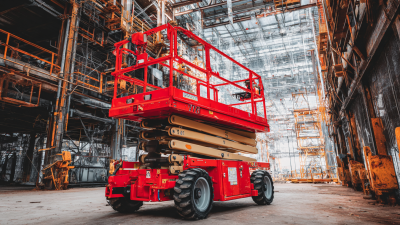
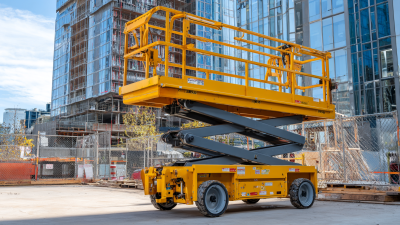
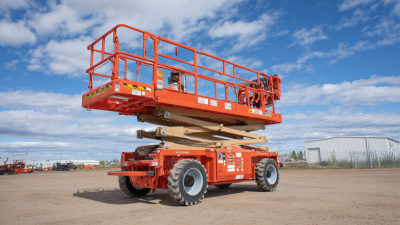
Scissor lifts are known for their stability and vertical reach, often used for indoor tasks.
Boom lifts provide extended reach and versatility, ideal for outdoor or uneven ground setups. Understanding these differences helps in choosing the right equipment for a job.
Training for MEWP usage is crucial. Operators must not only be familiar with the machine's mechanics but also with safety protocols.
Regular training sessions can address common oversights in operation. Simple mistakes, like overlooking safety harness use, can lead to serious injuries.
It is vital to foster a culture of safety and accountability within teams.
Even with thorough training, operators should reflect on their practices regularly. Engaging in discussions about potential risks can unveil unaddressed concerns.
Adjustments may be necessary based on the specific conditions of each task. Learning from past experiences enhances safety and efficiency.
Each job site presents unique challenges, making continual education essential in the field of elevated work platforms.
Tips for Engaging Participants in MEWP Training Sessions
Engaging participants in Mobile Elevated Work Platform (MEWP) training is crucial for safety and compliance. Studies show that hands-on training increases retention rates significantly. For instance, a report from the National Safety Council indicates that experiential learning can improve knowledge retention by up to 75%. Incorporating practical exercises not only reinforces essential skills but also boosts confidence among trainees.
Using a variety of instructional methods is effective. Visual aids, demonstrations, and group discussions can cater to different learning styles. Research has found that multi-modal approaches lead to better understanding. For MEWP training, integrating simulations or virtual reality can make sessions more interactive.
However, trainers should avoid overwhelming participants with excessive information. Clarity and focus are key. Feedback loops are essential for improvement. Participants should be encouraged to share their thoughts and experiences. This can help trainers adjust their methods and content.
Reflecting on previous sessions allows for continuous enhancement of training quality. Remember, the goal is to cultivate a safe working environment, and every trainee’s input is valuable.
Evaluating Competency: Assessing Skills After MEWP Training
Assessing skills after Mobile Elevated Work Platform (MEWP) training is crucial. Many training programs focus on theory rather than practical application. This can lead to gaps in understanding. Trainees may leave the class with knowledge but lack real-world skill. To address this, post-training evaluations should include hands-on assessments. Observing trainees in action helps determine their competency.
Effective assessment methods can vary. Simulated tasks or practical scenarios can reveal true capability. If trainees struggle with basic operations, it signifies a need for further instruction. Competency is not just about passing a test. It involves proficiency in navigating equipment safely and effectively. Immediate corrections and feedback can facilitate this learning process.
It's essential to create an environment that encourages questions. Trainees often hold back in larger groups. One-on-one sessions can help. Participants might feel more comfortable discussing their challenges. This approach not only builds confidence but ensures a deeper understanding of safety protocols. Addressing competencies openly can benefit both trainers and trainees, fostering a culture of continuous improvement.
2026 Best Mobile Elevated Work Platform Training Tips