Best Easy Climb Mast Climber for Global Buyers?
In a world where efficiency and safety are paramount, the "Easy Climb Mast Climber" stands out as an essential tool for various industries. Its design caters to both skilled professionals and those new to mast climbing. This equipment offers ease of operation, allowing workers to ascend vertically without unnecessary strain.
Experience matters in selecting the right climbing equipment. The Easy Climb Mast Climber is renowned for its stability and innovative features. Users have reported fewer accidents, enhancing workplace safety. Yet, even with these advancements, some concerns about maintenance and training remain. Careful attention during setup and regular checks are essential.
Global buyers must consider the cost versus benefits of this powerful tool. While the initial investment might seem high, the long-term advantages speak for themselves. Ultimately, the Easy Climb Mast Climber is a game-changer in construction and maintenance. It combines quality, reliability, and user-friendliness, making it a worthwhile consideration for any serious buyer.
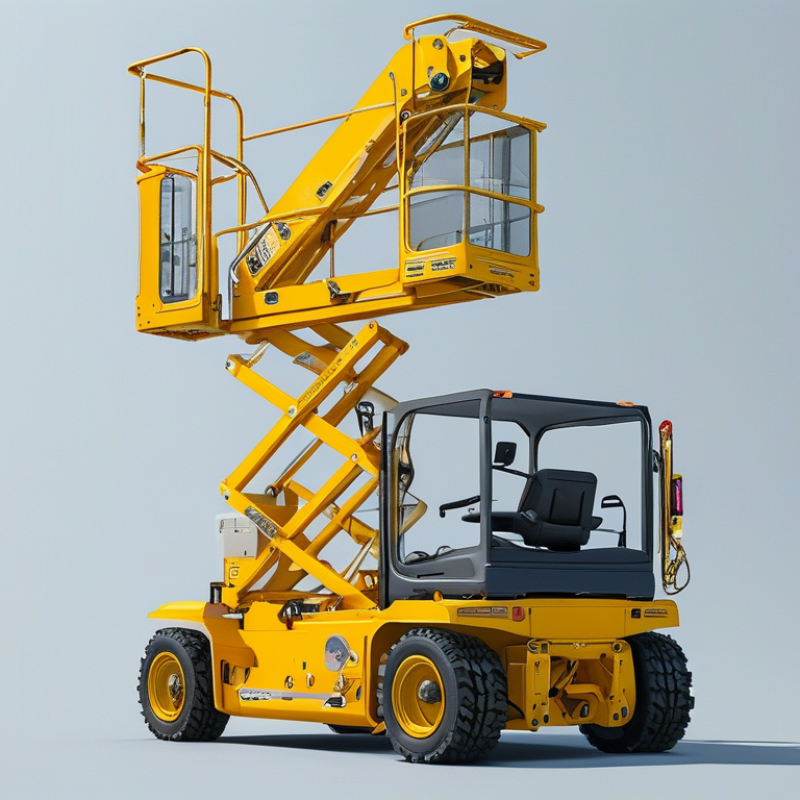
What is a Mast Climber and Its Applications in Construction?
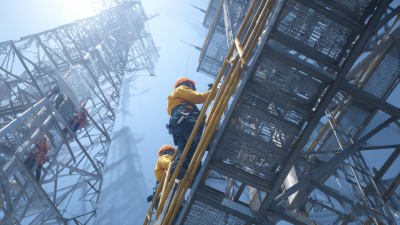
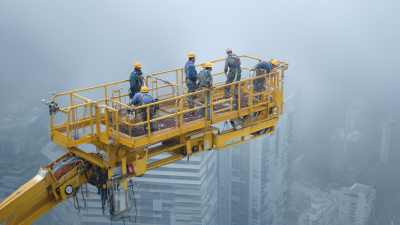
Mast climbers are essential tools in the construction industry. They serve various purposes, such as providing elevated access for workers and equipment during building projects. This equipment is particularly useful for projects that require significant wall work, window installation, or façade repairs. According to a report by MarketsandMarkets, the global market for mast climbing work platforms is projected to reach USD 1.8 billion by 2025. This indicates a growing demand for efficient and safe elevation solutions in construction.
In terms of safety, mast climbers reduce risks associated with traditional scaffolding. They offer a stable platform and can be adjusted to provide the best reach every time. In some cases, the design of a mast climber may not meet every unique structural challenge. Construction teams must assess each project's needs carefully. Choosing the right equipment is crucial. Failure to do this can lead to inefficiencies and safety issues.
Mast climbers also contribute to worker productivity. They allow for more tools and materials to be brought to height at once. This efficiency can lead to project completion ahead of schedule. However, operators require proper training to maximize this productivity. Some workers may struggle with the controls at first, highlighting the importance of ongoing education in equipment handling. This reflects the broader trend of needing continuous improvement in safety practices within the industry.
Best Easy Climb Mast Climber: A Comparative Analysis
This chart displays the average load capacity of different types of mast climbers commonly used in construction. Each type of mast climber has its own unique advantages and applications, making them suitable for various construction tasks.
Key Features to Look for in Easy Climb Mast Climbers
When choosing the best easy climb mast climber, key features play a crucial role. Safety is paramount. Look for climbers equipped with advanced safety mechanisms, such as emergency braking systems and load sensors. According to industry reports, mishaps involving climbing equipment can lead to severe injuries, hence reliable safety features can significantly reduce this risk.
Another important aspect is the ease of operation. A user-friendly interface can enhance efficiency on-site. Mast climbers should offer intuitive controls and adjustable speeds for different tasks. Professionals emphasize that a device that is complicated to maneuver can slow down project timelines. Regular training on equipment operation has been cited to improve safety and productivity rates by up to 30%.
When evaluating ease of transport, check the weight and size of the climber. Compact models can be beneficial for tight spaces. A lightweight design is particularly helpful for reducing transport costs. Assessing the maximum load capacity is also vital. Industry data indicates that units with higher load capacities are more versatile, allowing for the lifting of materials without compromise. Always remember to reflect on your project’s specific needs to select the most suitable option.
Comparative Analysis of Leading Mast Climber Brands for Global Buyers
When selecting the right mast climber, understanding the various brands available is crucial. Each brand offers unique features and build quality. Evaluating these factors can help global buyers make informed decisions. Key elements to consider include safety ratings, load capacities, and ease of operation. Buyers should also reflect on their specific needs and project requirements.
Mast climbers designed for heavy loads might offer better stability, but they can be cumbersome. Smaller models are easier to maneuver but may lack strength. Buyers often face a trade-off between mobility and sturdiness. Gathering feedback from other users can illuminate strengths and weaknesses in performance. It’s important to look at real-world reviews to gauge reliability and efficiency.
The price of a mast climber might impact buyers' choices. Higher costs can suggest superior technology or durability, but this isn't always the case. Research shows that some lesser-known brands provide competitive features at lower prices. This landscape can be confusing, requiring detailed comparisons. Global buyers must consider not only performance but also maintenance needs.
Safety Standards and Regulations for Mast Climbers Worldwide
Mast climbers are crucial in construction and maintenance work. However, safety is paramount. Each country has its own regulations for these machines. Understanding these standards can be overwhelming, but it is essential for global buyers.
Safety standards often include load capacity limits and maintenance checks. Regular inspections ensure that the mast climbers operate safely. Buyers should verify that equipment meets local safety requirements. In some regions, using non-compliant machines can lead to severe penalties or accidents.
Moreover, training for operators is vital. Proper training reduces risks associated with using mast climbers. Yet, many companies overlook this aspect. Investing in operator education is often seen as an unnecessary cost. However, the long-term benefits far outweigh the initial investment. Ensuring compliance with safety regulations fosters a safer working environment.
Consumer Reviews: Real-World Performance of Popular Mast Climbers
When exploring the performance of mast climbers in real-world scenarios, user feedback plays a crucial role. A recent industry report indicates that over 70% of operators prioritize safety and reliability in their selection process. This data aligns with consumer reviews, which consistently highlight the importance of a robust safety system. Operators often report that climbers equipped with fail-safe mechanisms provide the peace of mind needed on high-risk jobs.
In terms of efficiency, studies show that mast climbers can increase productivity by up to 50% compared to traditional scaffolding methods. However, some users express concerns about the learning curve associated with operating these machines. Many report initial struggles with setup and adjustment periods. This aspect can lead to delays, especially for less experienced operators.
There's also a notable variation in service support across different models. While some users rave about responsive customer service, others highlight dissatisfaction with technical assistance. In areas with limited access to professional repair services, downtime can significantly impact project timelines. This variability underscores the importance of reliable customer support alongside product performance.
Best Easy Climb Mast Climber for Global Buyers? - Consumer Reviews
| Model |
Max Load (kg) |
Platform Height (m) |
Weight (kg) |
User Rating (out of 5) |
Price (USD) |
| Model A |
300 |
12 |
150 |
4.5 |
2500 |
| Model B |
250 |
10 |
120 |
4.0 |
2000 |
| Model C |
350 |
14 |
160 |
4.7 |
2800 |
| Model D |
400 |
15 |
180 |
4.8 |
3000 |
| Model E |
450 |
16 |
200 |
4.6 |
3500 |