What is Ansi Aerial Lift Standards and Why Are They Important?
Ansi Aerial Lift Standards play a crucial role in maintaining workplace safety and ensuring operational efficiency. These standards provide essential guidelines for the design, use, and maintenance of aerial lift equipment. By adhering to these guidelines, businesses can reduce the risks associated with aerial lifts.
Understanding the importance of these standards is vital for employers and workers alike. They help prevent accidents and injuries that can arise from improper use or equipment failure. Compliance with Ansi Aerial Lift Standards not only protects workers but also enhances a company’s reputation and reliability.
Many organizations struggle with fully grasping these standards. This lack of understanding can lead to physical and financial consequences. Companies might overlook necessary training or proper equipment maintenance. Continuous education on Ansi Aerial Lift Standards is essential. It fosters a safer work environment and promotes operational excellence.
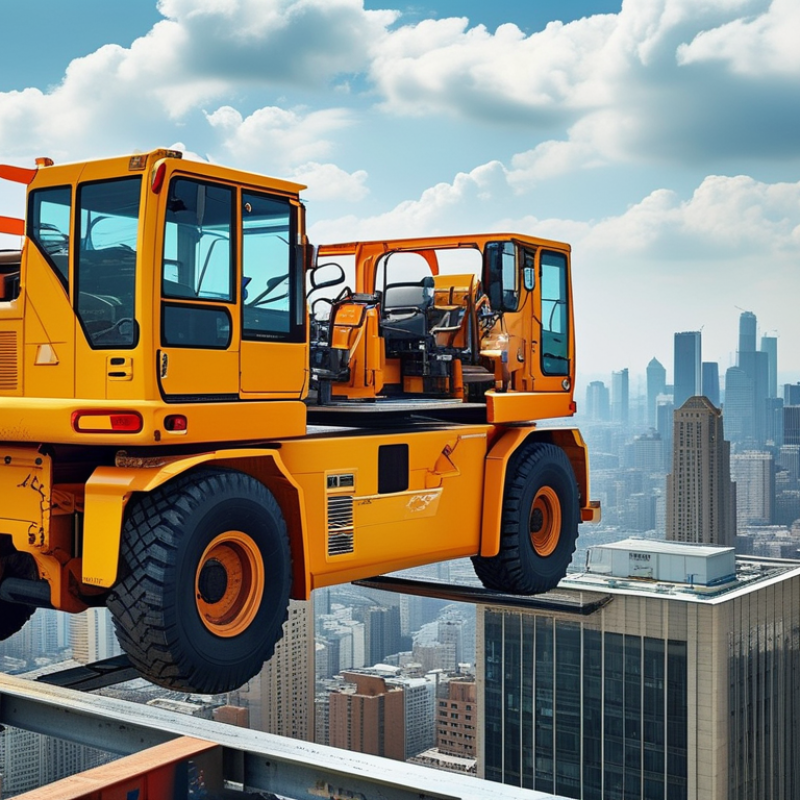
What Are ANSI Aerial Lift Standards?
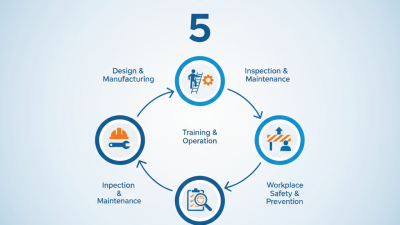
ANSI Aerial Lift Standards are essential guidelines that govern the safe use of aerial lifts. These standards set the requirements for design, construction, testing, and maintenance. They aim to protect both operators and bystanders from potential accidents. Employees working at heights face significant risks. Thus, these standards help create a safer work environment.
Understanding ANSI Aerial Lift Standards involves recognizing their components. These standards cover different types of lifts, including scissor lifts and boom lifts. Testing requirements ensure that equipment meets specific safety criteria before use. Regular inspections and maintenance are also vital. This helps identify wear and tear, preventing failures during operations. Failure to adhere to these standards can result in accidents and injuries.
While the standards are well-defined, application can sometimes be inconsistent. Not all companies strictly follow them. Training employees on these standards may vary across organizations. Some workers may not receive adequate instruction. This can lead to dangerous situations. Reflecting on these aspects is crucial for improving workplace safety. Adhering to the ANSI standards should be a priority for all companies using aerial lifts.
Historical Development of ANSI Aerial Lift Standards
The development of ANSI Aerial Lift Standards has significantly shaped safety in the workplace. These standards began emerging in the late 20th century. They were created in response to rising incidents involving aerial lifts. Safety organizations recognized the need to protect workers using these equipment types.
Initially, aerial lifts lacked clear safety guidelines. Workers faced various risks, including falls and equipment failure. As awareness grew, the need for regulation became apparent. Consequently, ANSI began drafting guidelines that would address these risks. Over the years, the standards have evolved, incorporating new technology and insights from industry experts.
Tips: Always ensure equipment is inspected regularly. Training is crucial for operators to recognize hazards and handle equipment properly.
As the standards progressed, they became more detailed. Current standards outline operational guidelines, safety features, and maintenance practices. This evolution illustrates the importance of continual improvement. Despite existing standards, incidents still occur. It emphasizes the ongoing need for vigilance and adherence to safety protocols.
Tips: Stay updated with recent changes to standards. Regular training refreshers can help maintain safety awareness on-site.
What is Ansi Aerial Lift Standards and Why Are They Important? - Historical Development of ANSI Aerial Lift Standards
| Year |
Milestone |
Description |
| 1987 |
First ANSI Standard Released |
The introduction of the first ANSI standard for aerial lift safety helped establish minimum performance criteria. |
| 1991 |
Updated Guidelines |
Revision of existing standards to incorporate improved safety features based on user feedback. |
| 1994 |
Introduction of Training Requirements |
Emphasis on operator training and qualification requirements to enhance workplace safety. |
| 2003 |
Global Harmonization |
Efforts to align ANSI standards with international safety standards for global consistency. |
| 2016 |
Latest Revision |
Introduction of new technological advances and safety features into existing aerial lift standards. |
Key Components of ANSI Aerial Lift Standards
ANSI Aerial Lift Standards play a crucial role in ensuring safety in aerial work platforms. These standards dictate the design, operation, and maintenance of these lifts. Compliance helps prevent accidents and injuries on job sites. Understanding key components of these standards can greatly benefit employers and workers.
One significant aspect of ANSI standards is the performance requirements for equipment. Each aerial lift must undergo rigorous testing to ensure it can handle specific weight loads and operate safely under different conditions. Regular training on these standards is essential. Workers must know how to use the equipment correctly.
Tip: Always check the certification of aerial lifts before use. Proper inspection can save lives. Another key element involves operator training. ANSI emphasizes that operators should receive comprehensive training. This training covers safety protocols and emergency procedures.
Remember, lapses in following these standards can lead to serious accidents. Reflect on your company’s current compliance. Are workers adequately trained? Regular audits can help improve safety practices in the long run.
ANSI Aerial Lift Standards Compliance Overview
Importance of Compliance with ANSI Standards
ANSI Aerial Lift Standards play a crucial role in ensuring safety and compliance in the aerial work platform industry. Compliance with these standards is not just regulatory; it is essential for preventing workplace accidents. In a 2021 report by the Bureau of Labor Statistics, approximately 1 in 10 construction-related fatalities involved falls from height. Thus, adhering to ANSI standards can significantly mitigate risks associated with aerial lift operations.
Regular training and certification are critical. A trained operator is less likely to encounter hazardous situations. According to industry experts, nearly 80% of accidents occur due to operator error. Ensuring that employees understand ANSI guidelines can lead to a safer working environment.
Tips for compliance include routine inspections of equipment. Keeping aerial lifts in optimal condition is vital for safety. Employees should also be encouraged to participate in safety meetings. Open discussions about potential risks can help create a culture of safety. Remember, safety is a shared responsibility.
Potential Consequences of Non-Compliance with ANSI Standards
ANSI Aerial Lift Standards are crucial for ensuring safety on job sites. Non-compliance can lead to serious consequences, affecting both workers and employers. According to the Bureau of Labor Statistics, falls are the leading cause of workplace fatalities, accounting for nearly 33% of all workplace deaths. When aerial lifts do not meet ANSI standards, they become a significant risk factor.
Inadequate training contributes to these dangers. A survey from the National Institute for Occupational Safety and Health revealed that only 50% of workers receive proper aerial lift training. This gap in knowledge can result in improper use and increased accident rates. Compliance with ANSI standards helps mitigate these risks through guidelines for equipment maintenance and safe operation protocols.
Tip: Always verify that your equipment has been inspected per ANSI standards. Regular checks can prevent malfunctions.
Additionally, the financial implications of non-compliance are significant. Workplace accidents can lead to costly fines, legal action, and business disruptions. The
Occupational Safety and Health Administration (OSHA) routinely imposes penalties for non-compliance, which can escalate quickly. Companies might also face reputational damage, impacting future contracts.
Tip: Invest in ANSI-compliant training programs for your workforce. Proper training fosters a safer work environment.