Access Mast Climbers What You Need to Know?
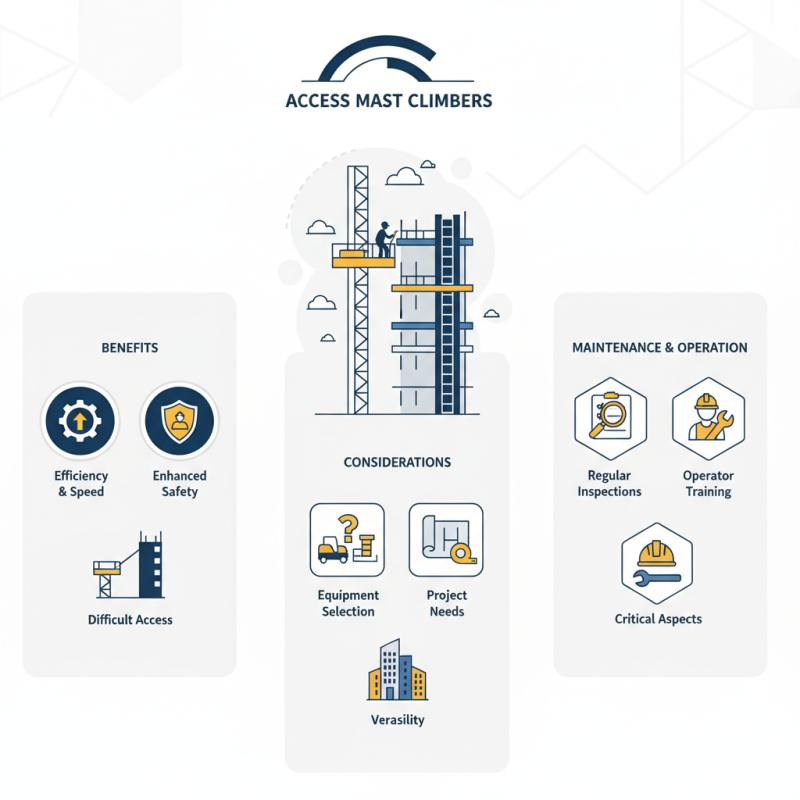
Access Mast Climbers are essential tools for construction and maintenance projects. They provide a stable platform at great heights. These climbers enhance safety and efficiency for workers. However, they come with specific requirements and considerations.
Understanding the benefits of Access Mast Climbers is crucial. These platforms allow easier access to difficult areas. Workers can perform tasks quickly, reducing project timelines. Yet, selecting the right equipment can be challenging. Each project has unique needs, and not every climber suits every situation.
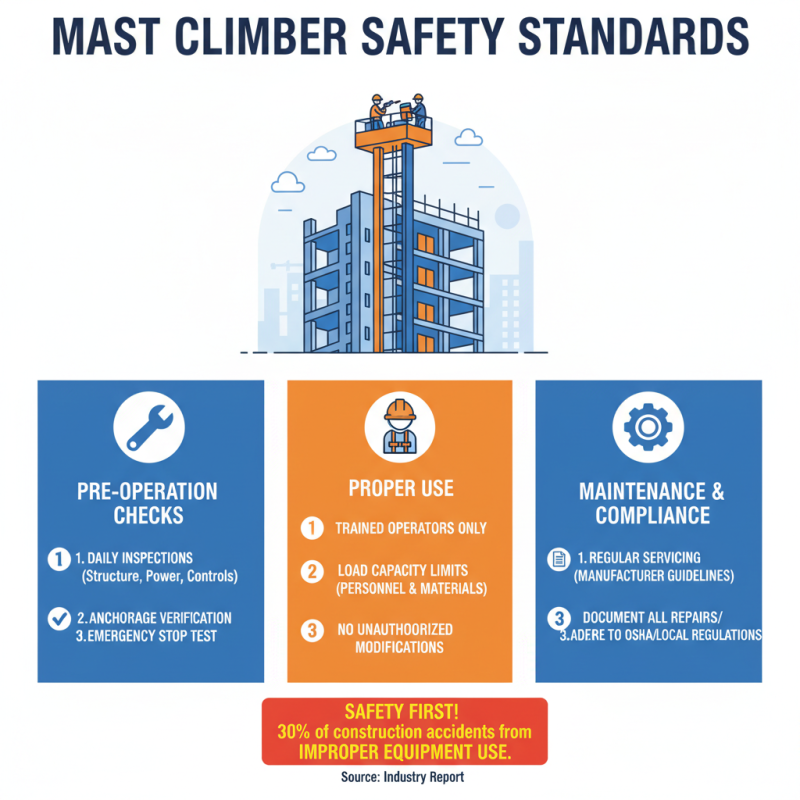
Maintenance and operation of Access Mast Climbers require attention to detail. Regular inspections are necessary to ensure safety. Training for operators must be thorough. Many overlook these critical aspects, risking safety and efficiency. Taking the time to address these elements can lead to better outcomes.
Access Mast Climbers: An Overview of Applications and Benefits
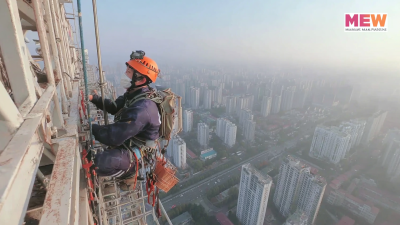
Access mast climbers offer a versatile solution for various construction applications. These platforms provide workspaces that are safe and effective, particularly for high-rise projects. Their adjustable heights allow workers to reach different levels easily. This flexibility makes them ideal for facades, window installations, and exterior maintenance.
One key benefit of mast climbers is their stability. Unlike traditional scaffolding, they minimize the risk of accidents during work. This enhances overall productivity on the job site. However, it’s vital to ensure that operators are adequately trained to use these machines. Improper use can lead to safety hazards.
**Tips:** Regular inspections of the equipment can prevent unexpected breakdowns. Always verify the weight limits to avoid overloading. Remember that proper setup is essential for stability. Mast climbers are a great investment when managed correctly, but overlooking safety can lead to costly issues.
Access Mast Climbers: An Overview of Applications and Benefits
| Application |
Benefits |
Load Capacity (kg) |
Max Height (m) |
Typical Use Cases |
| Building Façade Work |
Improved Safety |
500 |
50 |
Painting, Repairing |
| Construction |
Increased Efficiency |
700 |
60 |
Installation, Maintenance |
| Window Installation |
Access at Height |
400 |
40 |
New Installations, Replacements |
| Insulation Work |
Cost-Effective Solutions |
600 |
55 |
Energy Efficiency Improvement |
| Signage Installation |
Flexibility and Mobility |
300 |
30 |
Retail and Commercial Uses |
Choosing the Right Access Mast Climber: Key Features and Specifications
When selecting the right access mast climber, several key features must be considered. Safety is paramount. According to industry reports, around 30% of accidents in construction involve falls from height. Therefore, ensuring that your mast climber has reliable safety features, such as automatic braking systems and stable anchoring, is essential. The design should facilitate easy access to different levels on your project site, enhancing efficiency.
Load capacity is another critical specification. Most climbers support between 1,000 to 1,500 kg. However, overestimating your needs can lead to financial waste. Understanding the specific requirements of your job site helps in selecting the right model. Flexibility and adaptability are important too. Varied projects require different climbing heights and platform sizes. A report by the Construction Industry Institute notes that adaptable equipment can reduce operational downtime by 20%.
Maintenance considerations are often overlooked. Regular checks on components like hoists and safety devices are vital for long-term reliability. Neglected maintenance can lead to costly repairs or accidents. A proactive maintenance schedule is an investment in safety and efficiency. Remember, making informed decisions will lead not only to safer worksites but also to potential savings on both time and costs.
Maintenance Best Practices for Maximizing the Lifespan of Mast Climbers
Mast climbers are essential for construction projects. They provide efficient access at various heights. However, proper maintenance is crucial for their longevity. Regular inspections help identify potential issues. Check for wear and tear on cables and pulleys. Ensure that all safety features are operational. Neglecting these tasks can lead to costly damages.
Maintaining mast climbers involves cleaning them frequently. Dirt and debris can hinder performance and safety. After each use, a quick wipe-down is beneficial. Consider scheduling a deep clean weekly. Lubricating moving parts is also important. It reduces friction and prevents breakdowns. Always follow manufacturer guidelines for maintenance procedures.
Unexpected problems can arise despite good practices. Sometimes, equipment may malfunction without clear reasons. This uncertainty highlights the need for a reliable maintenance routine. Documenting every inspection can be useful. It helps track patterns and predicts future failures. Establishing a thorough maintenance plan can save time and resources down the line.
Industry Trends: The Future of Access Mast Climbers and Market Insights
The market for access mast climbers is evolving rapidly. Recent studies show a projected growth rate of 5.6% annually in this sector. Increased construction activity worldwide drives demand for efficient lifting equipment. This trend is not just a matter of convenience; safety is a top priority. Almost 30% of construction injuries are due to falls. Access mast climbers offer safer alternatives to traditional scaffolding.
Technology plays a significant role in shaping the future. Innovations improve not just lifting capacity but also user-friendliness. Sensors and automation are increasingly integrated into equipment. This leads to enhanced safety and productivity. A report indicates that over 40% of operators consider technology upgrades essential for future projects. But there are challenges. Many companies struggle to keep up with the pace of change.
Moreover, the sustainability angle cannot be ignored. Increasing regulations aim to reduce the environmental impact of construction. Higher demand for eco-friendly solutions is emerging. Machinery manufacturers must adapt or risk falling behind. The industry is at a crossroads, facing both opportunities and obstacles. Companies need to reflect on their strategies to stay relevant in a shifting landscape.