Top 5 Mobile Elevated Work Platform Training Tips You Need?
Mobile Elevated Work Platform Training is crucial for ensuring workplace safety. Understanding this training can improve efficiency and reduce accidents. Many workers rely on these platforms, making proper training essential.
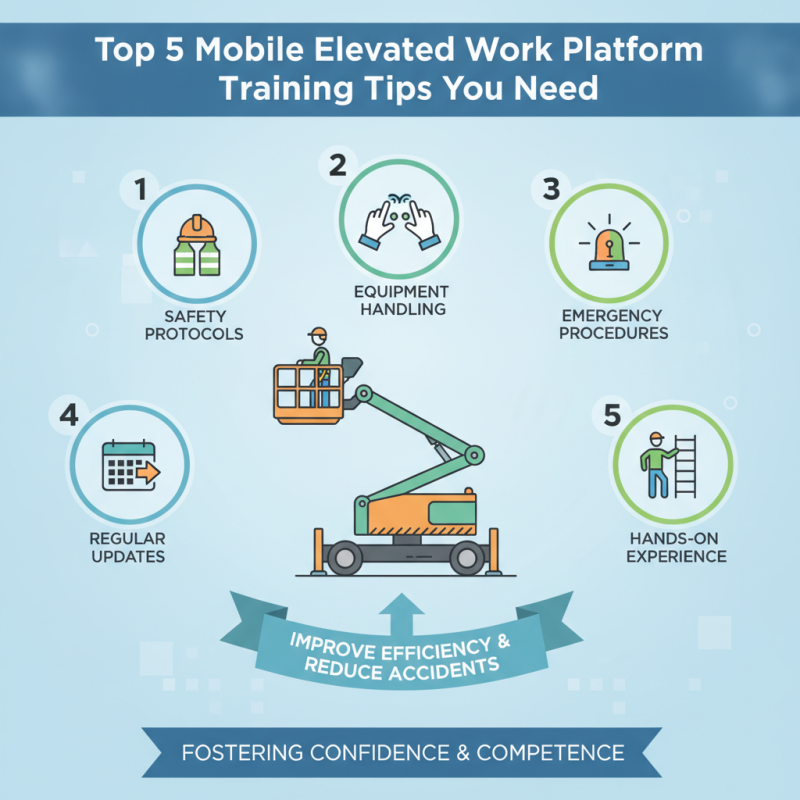
Proper training equips operators with knowledge about safety protocols, equipment handling, and emergency procedures. This expertise can help avoid common mistakes. For instance, mishandling equipment can lead to falls or injuries. Creating a safety-first culture requires ongoing education and practice.
Even experienced operators can overlook key details. Regular training updates can address these gaps. Organizations must prioritize this aspect of workforce development. The goal is to foster both confidence and competence among operators. To achieve this, focusing on hands-on experience and real-world scenarios during training is vital.
Understanding the Importance of Mobile Elevated Work Platform Training
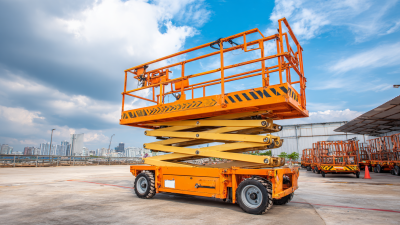
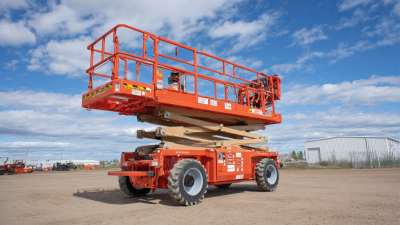
Mobile Elevated Work Platforms (MEWPs) play a crucial role in various industries, including construction and warehousing. Effective training for MEWP operators is essential for safety and operational efficiency. A study by the National Institute for Occupational Safety and Health (NIOSH) highlights that proper training can reduce workplace incidents by up to 40%. This statistic underscores the importance of investing in comprehensive training programs.
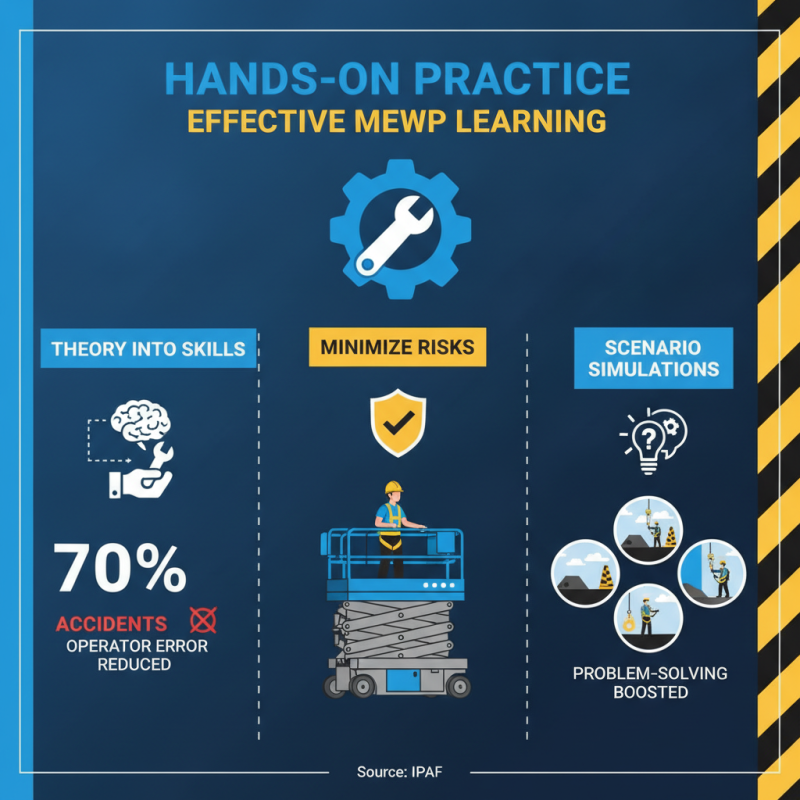
One vital tip for your training program is to incorporate hands-on practice. Operators perform better when they gain real experience using the equipment. It helps them understand the machinery's limits and navigate potential hazards. Visual and practical training enhances retention and prepares them for actual job site scenarios. Alternately, providing too much theoretical content often leads to disengagement and confusion.
Another key aspect is ensuring that operators understand their equipment thoroughly. Training should include details about the MEWP’s specifications, safety features, and emergency protocols. This knowledge not only fosters confidence but also significantly boosts safety awareness. According to a report from the American Society of Safety Professionals (ASSP), informed operators are 50% less likely to make errors that could lead to accidents. Reflecting on training shortcomings can lead to significant improvements in safety outcomes in the long run.
Top 5 Mobile Elevated Work Platform Training Tips
Key Safety Protocols to Follow During Training Sessions
When conducting training for Mobile Elevated Work Platforms (MEWPs), it's crucial to emphasize safety protocols. Statistics show that about 34% of worker fatalities in construction are due to falls. Therefore, ensuring that trainees understand safety measures can save lives.
Firstly, always conduct a thorough pre-operation inspection of the MEWP. This includes checking for hydraulic leaks and ensuring that safety devices are functioning. Even a slight oversight can lead to accidents. In addition, encouraging trainees to maintain a safe distance from the platform's edges is vital. Many accidents occur due to improper handling.
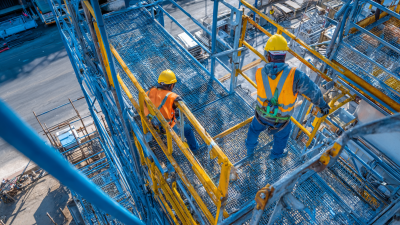
During training, emphasize the importance of wearing personal protective equipment (PPE). Reports indicate that PPE reduces the risk of injury by at least 20%. Regularly reminding trainees about helmet use, harnesses, and fall protection equipment can foster a culture of safety. Encourage open discussions about past incidents. Reflecting on mistakes helps reinforce learning and cultivates a more aware workforce. Understanding that every detail matters can enhance safety environments significantly.
Top 5 Mobile Elevated Work Platform Training Tips You Need
| Tip Number |
Training Tip |
Description |
Key Safety Protocol |
| 1 |
Pre-Operation Inspection |
Ensure the platform is inspected for any damage or malfunction before use. |
Follow manufacturer guidelines for inspections. |
| 2 |
Proper Training |
Workers should receive training specific to the type of platform they will be using. |
Training should include operational safety and emergency protocols. |
| 3 |
Use Personal Protective Equipment (PPE) |
Always wear appropriate PPE such as hard hats, harnesses, and safety shoes. |
Ensure PPE complies with safety standards. |
| 4 |
Understanding Load Limits |
Know the load capacity and ensure it is not exceeded during operations. |
Refer to the equipment manual for load limits. |
| 5 |
Communication Signals |
Establish clear communication signals between operators and ground personnel. |
Use standard hand signals or radios for communication. |
Essential Equipment Familiarization for Trainees
Understanding the equipment is crucial for trainees in
mobile elevated work platform (MEWP) training.
Familiarization with the controls, features, and safety systems is essential. When trainees know
how to operate the platform, they feel more confident. This includes understanding
emergency shutdown procedures. Clarity in using all functionalities
can prevent potential accidents.
Trainees should spend time examining various components. For example, inspecting the base,
platform, and extension arms helps in grasping their purposes. It’s important not to rush this
process. Each part has a function that contributes to safety and effectiveness. Allowing trainees
to participate in hands-on demonstrations enhances retention of key points. They learn best with
direct interaction rather than just theory.
However, recognizing their limitations is equally vital.
Trainees may overestimate their skills after initial practice. Continuous supervision and feedback
can help in this regard. Encourage open discussions about mistakes made during training. This
reflects a growth mindset and strengthens knowledge retention. Ultimately, thorough equipment
familiarization promotes a safe working environment.
Assessing Competency: Evaluation Methods for Trainees
Assessing competency in Mobile Elevated Work Platform (MEWP) training is vital for workplace safety. Effective evaluation methods help ensure that trainees understand equipment operation fully. A recent industry report indicated that nearly 30% of workplace accidents in construction are linked to inadequate training. Identifying the right assessment methods reduces these risks.
To start, use practical assessments. Allow trainees to operate the equipment under supervision. This hands-on experience reinforces theoretical knowledge. Incorporate scenarios that mimic real-life challenges. According to the National Safety Council, practical evaluations improve retention rates by up to 40%.
Another effective method involves written evaluations. These can assess a trainee's understanding of safety protocols and regulations. Include multiple-choice questions and short answer formats. Analyzing answers can highlight knowledge gaps. Periodically reviewing outcomes allows for adjustments in training approaches.
Finally, encourage peer evaluations. Trainees can learn from each other while providing constructive feedback. This fosters a culture of safety and collaboration. Each of these methods should be tailored to individual training needs. Continuous assessment and reflection enrich the learning experience.