2026 Top Trends in Mobile Elevated Work Platform Training Techniques?
As industries evolve, the reliance on Mobile Elevated Work Platforms (MEWPs) grows. According to a report by the International Powered Access Federation (IPAF), the global MEWP market is projected to reach $14 billion by 2026. This demand emphasizes the need for robust training techniques in MEWP operations. Proper Mobile Elevated Work Platform Training ensures safety and efficiency on job sites.
In 2026, we anticipate trends that will reshape training methods in this field. Integration of virtual reality (VR) and augmented reality (AR) training modules has shown promise in enhancing practical skills. A study by the National Institute for Occupational Safety and Health (NIOSH) reported a 30% reduction in workplace accidents when workers undergo hands-on training.
However, gaps remain. Some training programs lack standardization, leading to inconsistent outcomes. Continuous evaluation of training effectiveness is essential. Future training models must adapt to evolving technologies and diverse workforce needs. Ensuring every operator is well-trained in MEWP safety and operations is vital for both compliance and workplace safety.
Current State of Mobile Elevated Work Platform Training
The current state of Mobile Elevated Work Platform (MEWP) training is evolving rapidly. Training programs now focus on safety and efficiency. According to a recent industry report, nearly 40% of accidents involving aerial lifts are due to inadequate training. It's critical for organizations to prioritize comprehensive training strategies.
Modern MEWP training incorporates hands-on experience alongside digital learning modules. A 2022 survey revealed that 70% of operators preferred a mix of in-field training and simulations. Virtual reality technology has gained traction, offering immersive experiences that enhance skill retention. Yet, many programs still rely heavily on traditional classroom settings, which can lead to less engagement and effectiveness.
Despite these advancements, gaps remain in the industry. Some trainers lack up-to-date knowledge of new equipment and safety standards. Furthermore, inconsistent training quality can undermine worker confidence. There is a pressing need for continuous improvement in curriculum development and instructor training to foster a safer work environment.
Emerging Technologies Enhancing Training Methods in 2026
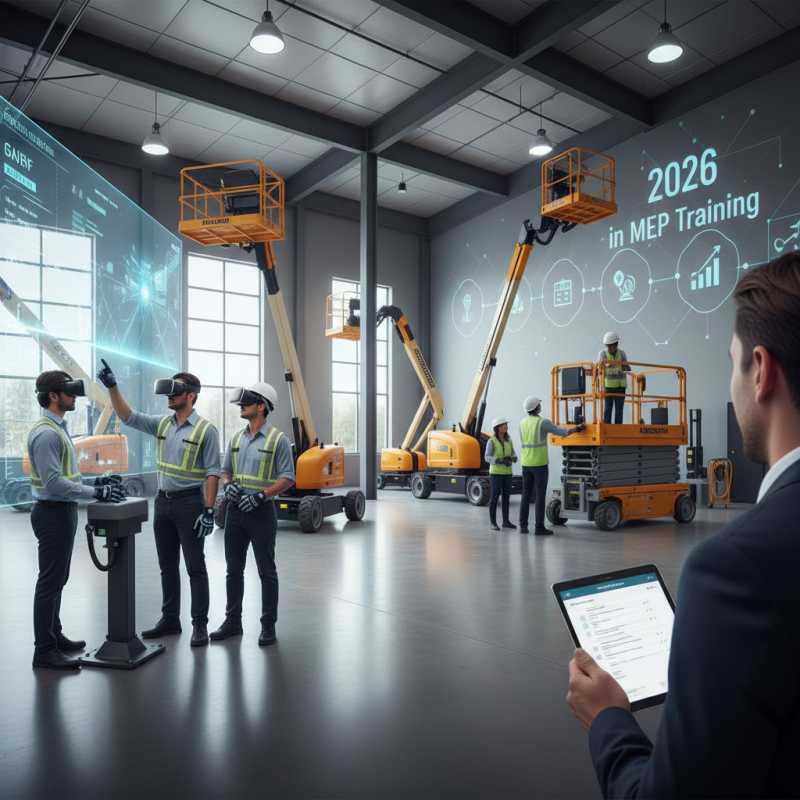
The landscape of mobile elevated work platform (MEWP) training is rapidly evolving in 2026. Emerging technologies are at the forefront of these changes. Virtual reality (VR) is increasingly used to create immersive training environments. Trainees can interact with realistic scenarios without any physical risk. This hands-on experience helps in retaining knowledge better than traditional methods.
Augmented reality (AR) is also making waves. It overlays digital information onto the physical world, enhancing real-time learning. Trainees can see instructions and safety protocols displayed on their MEWP. This direct integration encourages quicker problem-solving and boosts confidence. However, reliance on technology can lead to oversight in critical thinking skills. Training must balance tech integration with practical judgment.
Mobile applications are streamlining the learning process. They offer self-paced courses and instant feedback. Trainees can access resources anytime and anywhere. But is this flexibility compromising accountability? There are concerns that some may skip essential training modules. Continuous evaluation of these methods is necessary to ensure effectiveness. Adopting technology is crucial, but it should not replace the core goal of safety and competency in MEWP operation.
Key Safety Protocols and Compliance Measures in Training
In 2026, mobile elevated work platform (MEWP) training must emphasize key safety protocols. Organizations should reevaluate how they train operators. Effective training requires hands-on experience alongside theoretical knowledge. Simulation technology can enhance learning by replicating real-life scenarios. This draws attention to potential hazards operators may face in the field.
Compliance measures are crucial for upholding safety standards. Regular audits and refresher courses can reinforce safe practices. Training should include equipment inspection protocols. Operators often overlook routine checks, leading to dangerous situations. Peer-led discussions can be beneficial. Sharing experiences can boost awareness of safety challenges.
Moreover, diverse training methods can cater to different learning styles. Visual aids and practical exercises help solidify knowledge. Incorporating feedback into training programs allows for continual improvement. It’s important to recognize that complacency can creep in. Operators might feel overly confident after initial training, which can lead to risky behaviors. Emphasizing ongoing learning will ensure better preparedness in the field.
2026 Top Trends in Mobile Elevated Work Platform Training Techniques
The chart above illustrates the top trends in Mobile Elevated Work Platform training techniques for 2026, highlighting the percentage of popularity for each method. Virtual Reality Training leads in popularity, signaling a shift towards immersive learning experiences.
Innovative Training Techniques: Virtual Reality and Simulations
In recent years, mobile elevated work platform (MEWP) training has evolved significantly. Innovative techniques such as
virtual reality (VR) and simulations are leading this change. According to a report by the Occupational Safety and Health Administration (OSHA),
effective training can reduce workplace incidents by nearly 30%. This statistic highlights the importance of modernizing training methods.
Virtual reality offers immersive experiences that traditional methods cannot match. Trainees can interact with realistic environments, enhancing their understanding of MEWP operations.
Studies show that individuals trained with VR retain information up to 75% longer than those who rely on conventional classroom settings.
However, not all companies have adopted these technologies fully. The investment and technical demands can be barriers.
Simulations also provide hands-on experiences without the risks associated with real equipment. They allow trainees to practice various scenarios, from routine operations to emergency situations.
According to the International Safety Equipment Association, 85% of trainees feel more confident after simulation-based training. Yet, some may argue that nothing replaces on-the-job experience.
Balancing these innovative methods with practical assignments is essential for comprehensive training.
Future Challenges and Opportunities in Elevated Work Platform Training
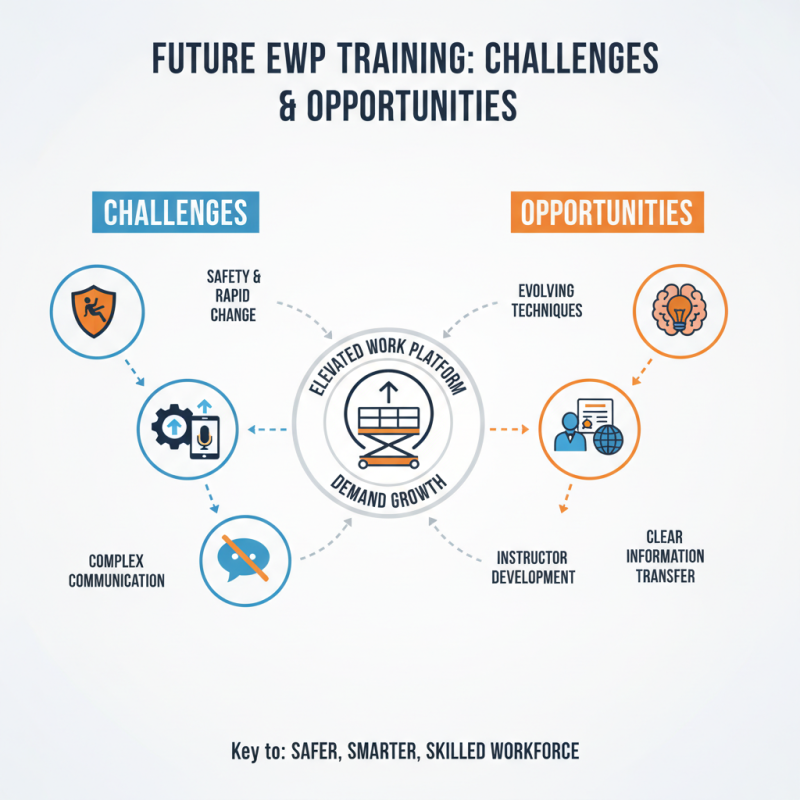
As the demand for elevated work platforms grows, training techniques will need to evolve. The industry faces several challenges. Ensuring safety amid fast-paced changes is a central concern. Instructors must stay updated on new equipment and technology. Effective communication is essential to convey complex information simply.
Tips: Use simulations during training. This can help workers gain practical experience. Short, focused training sessions can keep participants engaged. Encourage feedback from trainees to improve content effectiveness.
Additionally, addressing diverse learning styles is crucial. Not everyone absorbs information the same way. Visual aids can enhance understanding for many learners. Openness to student input can highlight gaps in training. It is essential to adapt materials based on these insights to improve future sessions.
In this dynamic environment, incorporating technology is vital. E-learning modules can supplement hands-on training. However, balancing theoretical and practical components is key. Constantly reviewing and refining training methods guarantees effectiveness.