2026 Mobile Elevated Work Platform Types You Need to Know?
In the ever-evolving landscape of construction and maintenance, understanding various Mobile Elevated Work Platform Types is essential. These platforms, commonly known as MEWPs, play a crucial role in improving workplace safety and efficiency. Different types of MEWPs cater to specific tasks, making it vital for professionals to choose the right one for their needs.
The year 2026 marks a pivotal point for innovations in MEWP technology. Advancements promise greater safety features and operational versatility. However, with new developments, the challenge lies in discerning which types best fit your project requirements. This landscape can be daunting. A wrong choice can lead to inefficiencies or, worse, accidents.
This article aims to guide you through the diverse Mobile Elevated Work Platform Types available. By highlighting their strengths and weaknesses, we help you make informed decisions. It’s essential to reflect on your past experiences with MEWPs, as these insights will shape how you approach future work at heights. Remember, understanding the right platform often requires critical thought and careful analysis.

Overview of Mobile Elevated Work Platforms (MEWPs)
Mobile Elevated Work Platforms (MEWPs) are essential in many industries. These platforms provide safe access to heights, boosting productivity significantly. Different types of MEWPs cater to various needs.
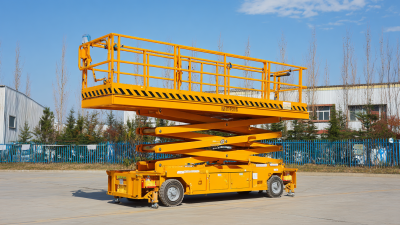
Scissor lifts, for instance, offer stable platforms ideal for indoor work. They can reach heights up to 60 feet.
Another popular type is the boom lift. Boom lifts have a long reach and flexibility for outdoor projects. Their articulating arms allow access to hard-to-reach areas. However, they require careful operation. Users need proper training to navigate potential hazards.
MEWPs are versatile, but risks exist. Operators must be vigilant about surrounding obstacles. It's also essential to consider maintenance. Regular checks ensure safety and reliability. Neglecting maintenance can lead to equipment failure. This emphasizes the importance of proper protocols.
Choosing the right MEWP can be daunting. Factors to weigh include height, stability, and application. As the industry evolves, staying informed about MEWP advancements is crucial.
Types of Mobile Elevated Work Platforms Available in 2026
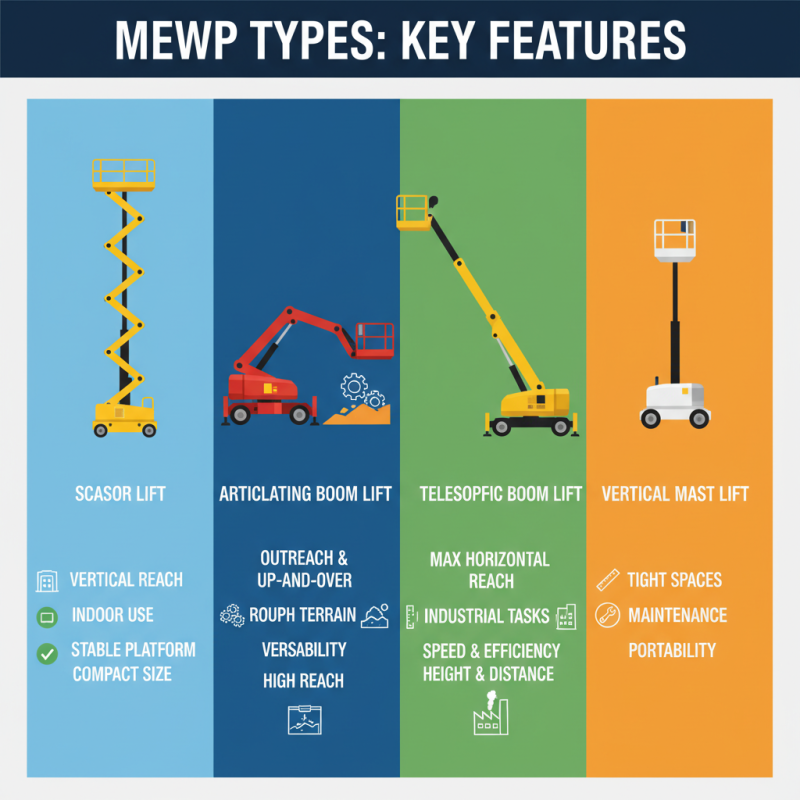
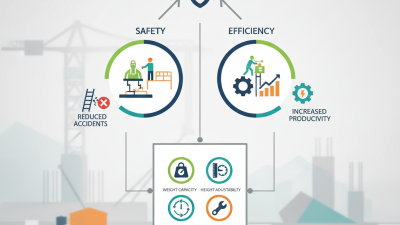
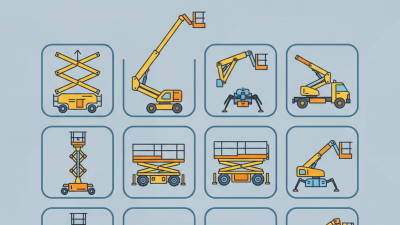
Mobile Elevated Work Platforms (MEWPs) are essential in various industries in 2026. These machines enhance safety and efficiency at height. Different types cater to specific needs. Knowing these can optimize work environments. Scissor lifts, for example, are popular. They provide stable platforms for straight vertical lifts. Their design is perfect for indoors.
Boom lifts also play a significant role. They offer flexibility with their extendable arms. This allows for reaching challenging angles. Another option is the vertical mast lift. Ideal for tight spaces, these lifts are compact. However, they may have limited height ranges. Understanding these distinctions helps in selecting the right type.
Despite advancements, some challenges persist. User training is often overlooked. Inadequate training can lead to accidents. Regular inspections may be neglected too. This can compromise equipment performance. Reflecting on these aspects is crucial for workplace safety. Each platform type has its advantages and drawbacks, making it vital to assess the specific requirements of the task at hand.
2026 Mobile Elevated Work Platform Types You Need to Know
| Platform Type |
Max Height (ft) |
Platform Capacity (lbs) |
Weight (lbs) |
Power Source |
| Scissor Lift |
40 |
2,500 |
1,200 |
Electric |
| Boom Lift |
55 |
1,000 |
5,000 |
Diesel |
| Vertical Mast Lift |
30 |
500 |
700 |
Electric |
| Trailer Mounted Lift |
45 |
800 |
1,500 |
Gas |
| Self-Propelled Lift |
30 |
1,200 |
2,000 |
Electric |
Key Features and Specifications of Each MEWP Type
Mobile Elevated Work Platforms (MEWPs) are crucial in various industries. Each type has unique features and specifications tailored to specific tasks. For instance, a scissor lift offers vertical reach, making it ideal for indoor tasks. It has a sturdy design and provides a stable platform, which enhances safety for workers. Its compact size allows it to fit in tight spaces, but this feature can limit its maneuverability.
Boom lifts, on the other hand, excel in reaching high and difficult-to-access areas. Their articulated arms can extend over obstacles, allowing for versatile positioning. However, weather conditions can affect performance, and they require careful operator training. Another type, the vertical lift, is made for quick vertical movement in narrow spaces. Its smaller footprint is helpful, but it lacks the range of the other two types.
When considering these platforms, it’s essential to assess the job site’s specific requirements. Each MEWP presents benefits and challenges. It's not just about choosing a lift; it's about understanding how it fits into the project’s safety and efficiency needs. Careful evaluation can ensure the right balance between capability and practicality.
Applications of MEWPs in Various Industries
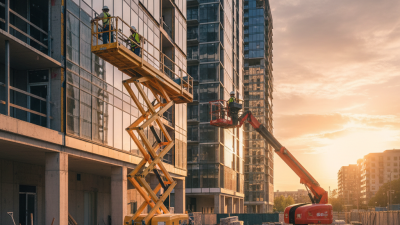
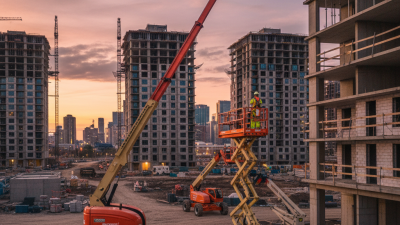
Mobile Elevated Work Platforms (MEWPs) play a crucial role across various industries. They offer safety and efficiency for tasks at height. Construction sites utilize MEWPs for tasks such as installing ceilings or performing electrical work. Their design allows workers to reach difficult areas without risking their safety. In warehouses, MEWPs help in stock management, allowing personnel to access high shelves easily.
Tips for using MEWPs effectively include training staff on equipment operation. Proper training ensures safety and increases productivity. Regular maintenance of MEWPs is essential. Inspecting equipment before use can prevent accidents. Always be aware of your surroundings while operating a MEWP. This awareness mitigates risks from nearby obstacles or other workers.
In the entertainment industry, MEWPs are valuable for setting up stages and lighting. Their use is vital for moving technicians to elevated positions quickly. However, operators must always reflect on their safety protocols. Often, overlooking safety checks can lead to severe incidents. Keeping safety as a priority promotes a secure working environment.
Safety Guidelines and Best Practices for Using MEWPs
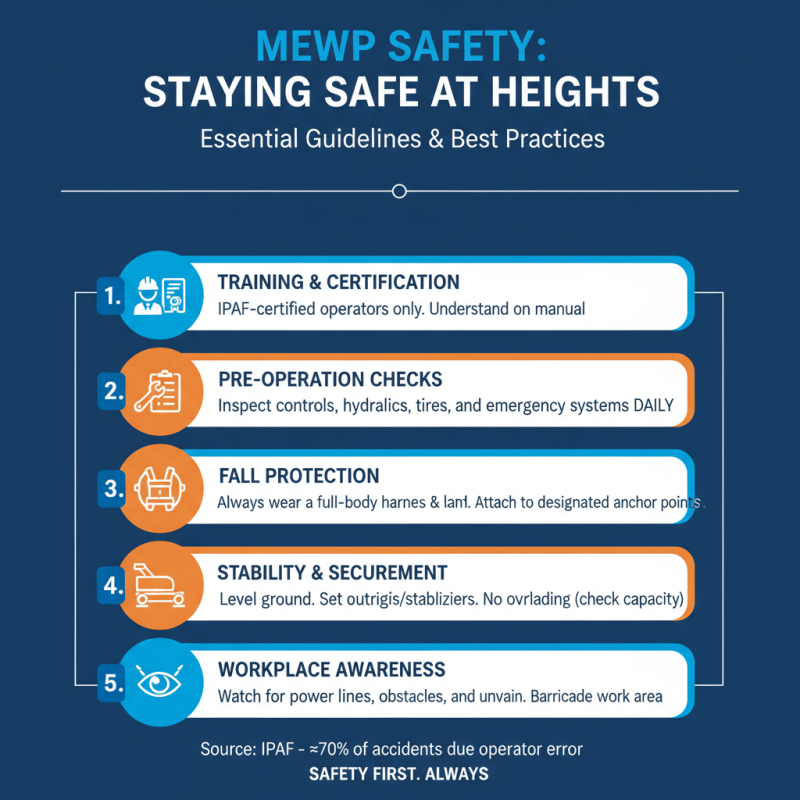
Mobile Elevated Work Platforms (MEWPs) are essential in various industries, providing safe access to heights. However, safety remains a critical concern. According to the International Powered Access Federation (IPAF), nearly 70% of all MEWP accidents occur due to operator error. Ensuring proper training and adherence to safety guidelines can help reduce these incidents significantly.
Before operating a MEWP, conducting a thorough pre-use inspection is vital. Checking for hydraulic leaks, ensuring the stability of the platform, and verifying safety features should be standard practice. In addition, operators must wear appropriate personal protective equipment (PPE). A recent study revealed that 30% of workers injured while using MEWPs were not wearing helmets or fall protection gear. This statistic underscores the need for improved compliance with safety protocols.
Communication on the worksite plays a crucial role in promoting safety. Establishing clear signals and rescue plans can greatly minimize risks. Operators sometimes underestimate the importance of this aspect. In one reported incident, lack of communication led to a near-miss accident. Regular safety meetings can reinforce the need for vigilance and adherence to best practices. Fostering a safety-first culture is a continuous effort that requires commitment from all team members.